
For the past decade, most of us decorated around cool grays, black hardware, and matte everything. It photographed cleanly. It also, somewhere along the way, started to feel a little chilly. Rooms looked right and still somehow failed to feel welcoming, and adding warmth without tipping into clutter became the quiet frustration of a thousand living rooms.
The fear is real: nobody wants their home to look like a hotel lobby from 1987, and “gold accents” can sound like a dare. Too much shine reads gaudy. The wrong finish clashes with everything you already own. So the brass stays in the Pinterest board, saved but never bought, while the room stays gray and correct and cold.
Here is the good news: the warm metal revival happening right now is not about excess. Brass, done the way designers are using it today, is a quiet glow rather than a shout. Part of what Pinterest is calling the brass aesthetic, it brings the temperature of a room up a few degrees without changing a single piece of furniture. This guide walks through where it works hardest, which finishes to choose, and how to layer it in so it looks intentional from day one.
Why Brass Feels Right Again
Every few years the pendulum swings between cool and warm, and right now it is moving decisively toward warmth. Cream walls are replacing stark white. Walnut is back on the mood boards. Chocolate brown is having a full-blown moment. Brass is the metallic that belongs to this palette, the way chrome belonged to the gray era. It catches light the way candlelight does, which is to say it flatters a room instead of interrogating it.
Brass also has a rare talent: it bridges styles. In a traditional room it reads classic and collected. In a modern one it reads considered and warm. It sits comfortably next to marble, rattan, velvet, and oak, and never asks you to redecorate the room around it. That flexibility is exactly why searches for brass-inspired looks are climbing on Pinterest, and why you are seeing it everywhere from kitchen showrooms to boutique hotels.
Perhaps most practically, brass forgives. A brushed finish hides fingerprints that would embarrass chrome. An aged finish only gets better looking as it wears. And unlike a statement wallpaper, a brass lamp or tray can move rooms with you, from apartment to apartment, for decades.
Choose a Finish That Fits Your Style
 Save
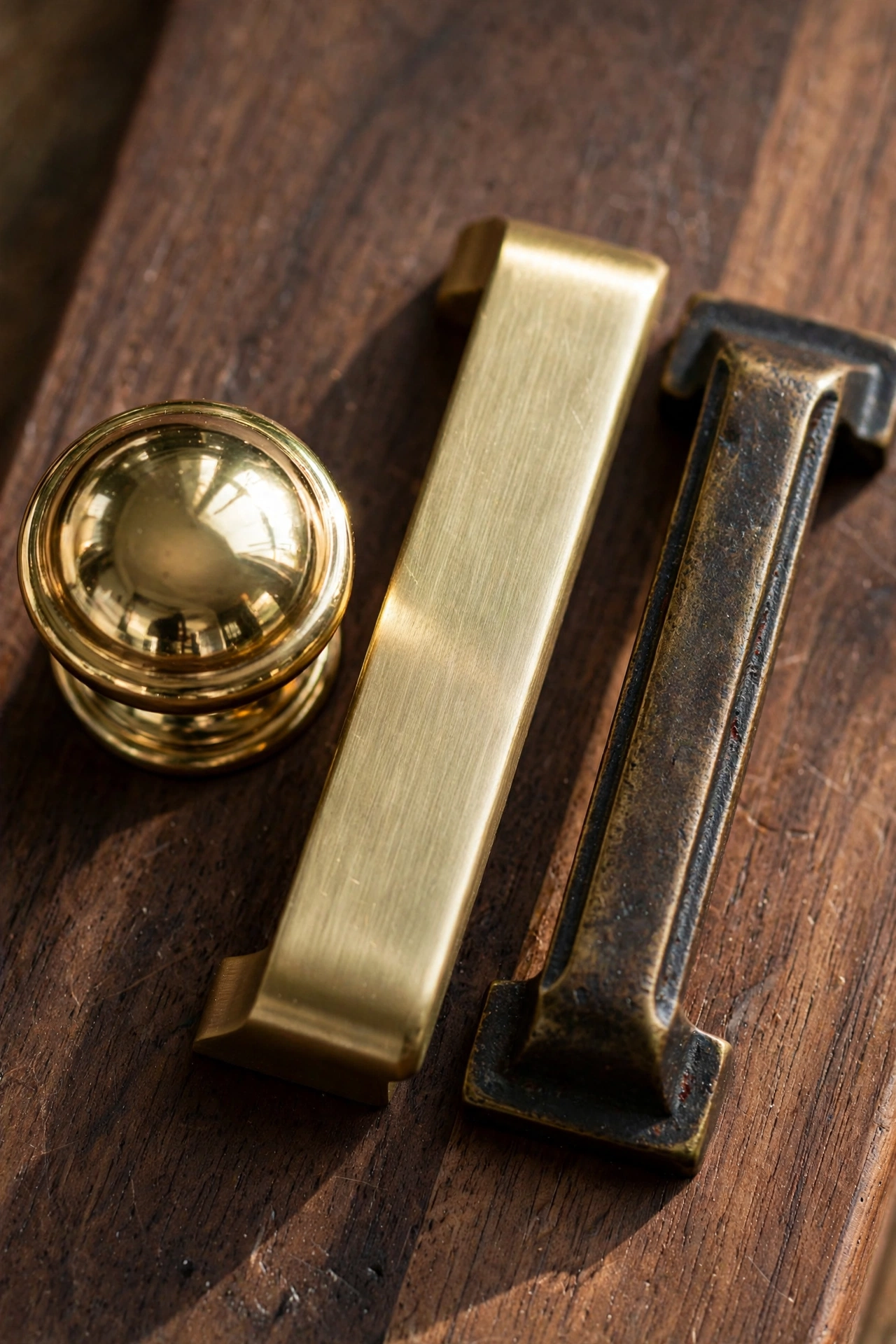
Not all brass looks alike, and picking the wrong finish is where most people go wrong. A mirror-polished faucet can feel flashy in a farmhouse kitchen, while a heavy aged-bronze knob can feel murky in a bright modern bath. Get the finish right and the rest is easy.
Here is how the main finishes compare:
| Finish | Look | Best for | Watch out |
|---|---|---|---|
| Polished brass | Mirror shine, formal, reflective | Traditional rooms, statement lighting | Shows fingerprints; needs regular wiping |
| Brushed / satin brass | Soft sheen, low glare | Modern and transitional spaces | Varies between brands; buy samples first |
| Aged / antique brass | Darkened crevices, vintage feel | Farmhouse, eclectic, collected rooms | Can read dark in low light |
| Unlacquered “living” brass | Develops natural patina over time | Purists, heirloom pieces | Will darken and spot; embrace the change |
Styling tip: If you are committing to brass across a whole kitchen or bath, order finish samples from two or three brands and view them in your actual light before buying. Two “brushed brass” finishes from different makers can be noticeably different shades.
One more decision matters: lacquered versus unlacquered. Lacquered brass keeps its shine with almost no maintenance, which is what most new fixtures are. Unlacquered brass is a living finish. It will darken, spot, and develop character, which some people adore and others regret. There is no wrong answer, only a wrong surprise, so check before you buy.
Start With Lighting: The Easiest Win
 Save
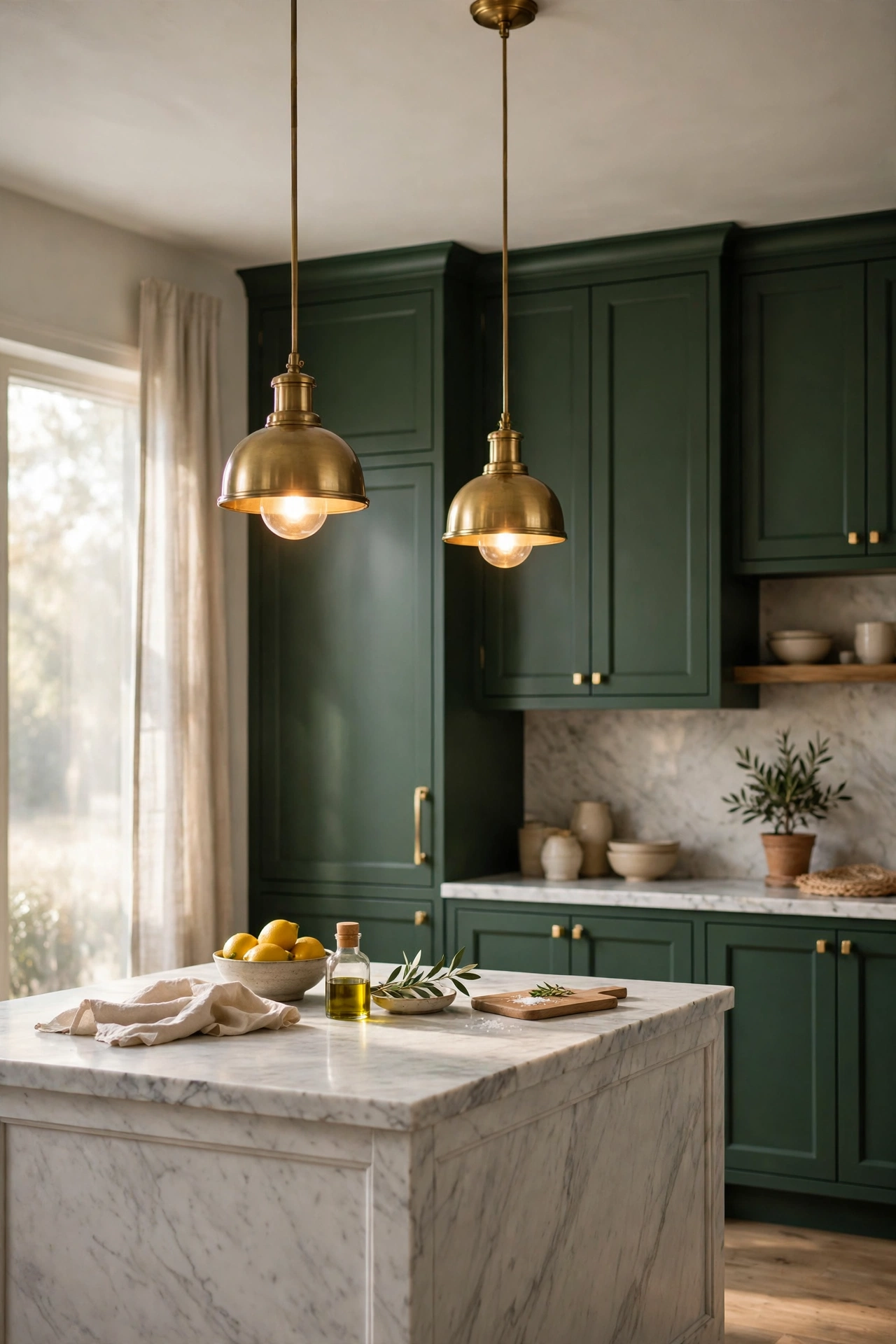
If you do exactly one thing with brass, make it lighting. A light fixture is the jewelry of a room, and brass was practically invented for this job. It glows when the bulb is on and holds its own as sculpture when it is off. One fixture can carry the whole metal story of a room, which means everything else can stay neutral.
Over a dining table, a single brass pendant hung about 30 inches above the tabletop creates a pool of warm light that makes weeknight dinners feel like occasions. In a hallway, a pair of brass picture lights or sconces flanking a mirror turns a pass-through space into a moment. Bedside, two small brass table lamps do more for a bedroom’s atmosphere than almost any other single change.
Budget swap: Hunt thrift stores and flea markets for dated brass lamps with good bones, then replace only the shade. A $12 lamp with a fresh $25 linen drum shade looks like a $150 boutique find, and vintage brass has a depth of color new finishes struggle to copy.
Proportion beats price here. A pendant that is too small over a big island looks like an afterthought, whatever it cost. As a rough rule, a fixture’s diameter should be roughly one-third the width of the surface below it. Measure before you fall in love.
Hardware Swaps That Transform a Room
 Save
Cabinet pulls, faucets, and door handles are the handshake of a room: small, touched constantly, and noticed more than their size suggests. Swapping them is the highest-impact weekend project in decorating, and brass hardware is the classic way to warm up a kitchen or bath without touching a single tile.
In the kitchen, unlacquered brass pulls against deep green or navy cabinets are the combination all over design feeds right now, and for good reason: the dark cabinetry gives the warm metal something to glow against. On white cabinets, brushed brass reads softer and more traditional. Either way, buy one pull first and live with it on a cabinet for a day before ordering thirty.
Faucets deserve the same care. A brass bridge faucet over a farmhouse sink is a whole personality. In the bath, match the faucet to the shower trim and towel hardware, but do not feel forced to match every metal in the house. Consistency within one room matters; consistency across the whole house does not.
Curtain rods and door levers are the sleeper picks. A slim brass rod above linen curtains looks tailored for the price of a takeaway dinner. Swapping shiny chrome door levers for brushed brass ones changes how every doorway in the house feels, and it takes about ten minutes per door.
Mirrors, Frames, and Reflective Details
 Save
Brass loves anything reflective, and mirrors are where the metal shows off best. A round brass-framed mirror in an entryway does triple duty: it bounces light into a dark corner, gives you a last look before you leave, and sets a warm tone the moment someone walks in. Hang it so its center sits around 60 inches from the floor, roughly eye level, and it will look like it was always there.
Gallery walls get an instant upgrade from thin brass frames. Mixed with black and wood frames, a few brass ones scattered through the arrangement keep the whole wall from feeling flat. Keep the frame profiles slim; chunky gold frames are a different, much louder conversation.
Do not overlook the small reflective pieces that live at hand height. A brass tray on a coffee table corrals remotes and candles into something that looks styled. A pair of brass candlesticks on the mantel catches firelight beautifully, and a little mantel styling attention is never wasted in the months when the fireplace is the center of the house. Even a brass-framed tray in the bath turns a cluttered counter into a composed one.
Furniture With a Golden Touch
 Save
Once the small accents are working, brass-legged furniture is the natural next step. A coffee table with slim brass legs and a stone or glass top adds warmth without visual weight, which is exactly what small living rooms need. Side tables with brass frames tuck beside sofas and armchairs, holding lamps and books at just the right height.
Beds deserve a mention. A simple brass bed frame, the kind with a curved headboard, is one of those pieces that works in a cottage bedroom, a boho space, and a surprisingly modern room. Dress it with crisp white bedding and a textured throw and the metal does all the talking.
Then there is the bar cart. A slim brass cart tucks into a corner, holds glassware within reach, and doubles as a serving station when friends come over. If one is on your list, this bar cart styling guide walks through stocking and arranging it beautifully. The brass frame means it looks intentional even half-stocked, which is more than most furniture can claim.
Vintage brass furniture rewards patience. Estate sales and auction sites turn up brass-and-glass étagères, campaign-style chests, and nesting tables at fractions of their new equivalents. Check joints and welds before you buy, since repairs on thin brass tubing get expensive fast.
What to Pair Brass With (and How to Mix Metals)
 Save
Brass is generous, but it does its best work with the right company. Deep, saturated colors make it glow: forest green, ink navy, aubergine, and especially chocolate brown, which is why our chocolate brown guide and this one are natural companions. Cream and warm white keep it fresh rather than heavy. Natural materials like walnut, rattan, linen, and wool give it an earthy frame that keeps the look grounded instead of glitzy.
Stone is brass’s best friend in kitchens and baths. Carrara marble is the classic pairing, but the combination getting the most attention right now is brass with red marble: the warm veining of rosso stone and the golden metal amplify each other in a way that feels rich rather than loud. A red marble side table with a brass lamp on top is a small vignette with outsized impact.
Designer note: You are allowed to mix metals; every designer does. The rule is simple: pick one dominant metal (brass, in this case) and let a second play a supporting role, keeping the undertones in the same family. Brass plus blackened steel works. Brass plus chrome fights. Two metals is plenty; three starts to look accidental.
Brass also has a natural affinity with the Art Deco revival running through current interiors. The geometric lines, mirrored surfaces, and fan motifs of Deco design were made for warm metallics, so if any of your brass pieces lean glamorous, lean into it with velvet and strong silhouettes rather than apologizing for it.
Keeping Brass Beautiful: Patina or Polish?
 Save
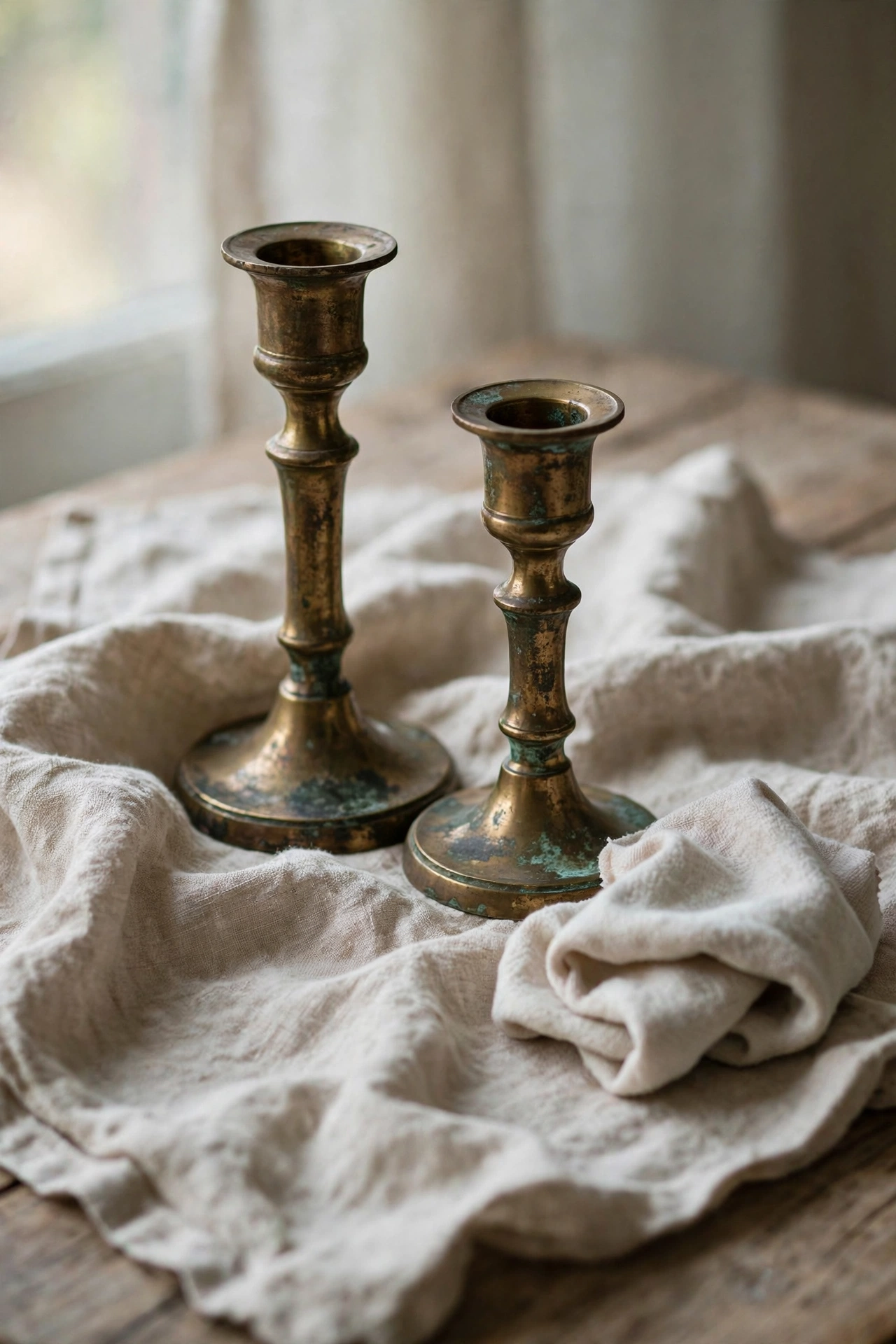
The last decision is philosophical: do you want your brass to stay bright, or are you happy to let it age? Lacquered pieces ask almost nothing of you: dust them, wipe with a damp cloth, and avoid abrasive cleaners that can cloud the coating. They will look the same in five years as the day they arrived.
Unlacquered brass is a relationship. It will darken where hands touch it, develop spots in humid rooms, and generally acquire what dealers call patina and what your mother might call tarnish. Plenty of people buy it specifically for this evolution. If you change your mind, a paste of baking soda and lemon juice, applied gently and rinsed well, brings back the shine, though purists will tell you each polishing removes a little of the character you paid for.
Try this: Decide piece by piece rather than making one rule for the house. Let the vintage candlesticks go dark and moody. Keep the kitchen faucet lacquered and bright. Mixed ages of brass in one room look collected and confident, which is the whole point.
For daily care, mild dish soap and a soft cloth handle nearly everything. Skip the harsh metal polishes on lacquered finishes, store brass decor out of prolonged direct sun where the lacquer can haze, and you will spend more time enjoying the glow than maintaining it.
Bringing It All Together
Brass is back because warmth is back, and warmth is not a trend so much as a correction. A few well-chosen pieces: a pendant, a mirror, a set of pulls, maybe that bar cart, can take a room from correct to inviting without a renovation. Start with lighting, get the finish right, pair it with colors that love it, and trust the warm metal to do its quiet work: making a house feel glad you came home.
Frequently Asked Questions
Is brass decor going out of style again soon?
Brass has cycled in and out of fashion for over a century, which actually makes it one of the safer bets in decorating. The current wave is driven by a broader shift toward warm, layered interiors rather than a single fad, so it has staying power. Choose classic shapes over novelty pieces and your brass will outlast the cycle.
Can I mix brass with silver or chrome fixtures I already have?
Yes, with a light touch. Keep brass as the dominant metal and let the cooler metal appear in small doses, like a chrome showerhead in a bath where everything else is brass. The trick is consistency of undertone within each metal and a clear visual hierarchy, so the mix looks deliberate.
What is the difference between brass and gold decor?
True brass is an alloy of copper and zinc with a naturally warm, slightly muted tone. Most “gold” decor is actually brass or another metal with a gold-toned finish. In practice, shoppers use the words interchangeably. Focus on the finish name, brushed, polished, or aged, rather than the label, since that tells you how it will actually look.
How do I keep unlacquered brass from tarnishing too fast?
Some darkening is the nature of a living finish, but you can slow it by keeping pieces dry, handling them less, and applying a thin coat of clear wax made for metals once or twice a year. In humid rooms like baths, lacquered brass is the easier choice if you want lasting shine.
Is brass expensive compared to other finishes?
It varies more by brand than by metal. A brass-look faucet from a mid-range maker often costs about the same as its chrome twin, while solid unlacquered brass from a heritage brand commands a premium. Hardware, lighting, and thrifted finds are the budget-friendly entry points; save the splurge pieces for where you will see them daily.
5 thoughts