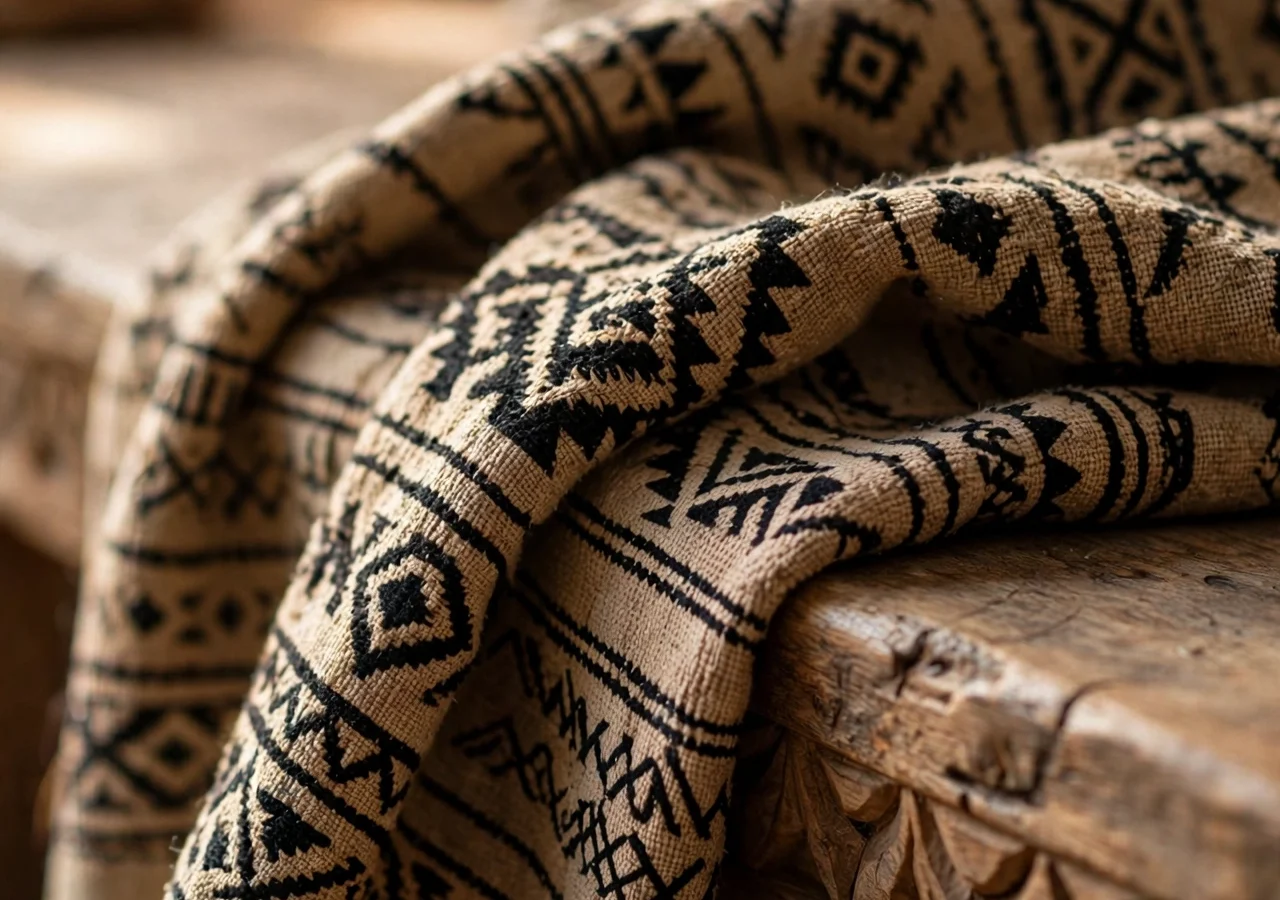
You know the feeling. The living room looks fine. The sofa is new, the walls are painted, everything more or less matches. And yet the room has no pulse. It could belong to anyone, which means it really belongs to no one, and every time you walk through it you feel the difference between a room that is decorated and a room that is alive.
The usual fixes disappoint. Another throw pillow from the same big-box store. A print that hangs in half the apartments in your city. The boho look appealed to you once, but the version sold everywhere now feels thin, like a costume version of free-spirited living with nothing real underneath it.
Here is where something richer enters the picture. Afrobohemian home decor, or afrohemian style for short, blends the deep craft traditions of African design with the relaxed, collected spirit of bohemian interiors. It is earthy and layered, handmade-feeling and personal, and it has the one quality flat rooms always lack: soul. This guide walks through what makes the style work, how to build it in your living room, and how to do it with respect for the cultures it draws from.
What Afrohemian Style Really Means
 Save
Afrohemian style sits at the meeting point of two decorating traditions. From African design it takes the materials and craft: handwoven textiles, carved wood, woven baskets, clay and raffia, and a colour sense rooted in earth and sun. From bohemian style it takes the attitude: relaxed layering, collected-over-time rooms, and the idea that a home should reflect a life, not a catalogue page.
That combination matters because it keeps the style grounded. Pure boho can drift into a vague global look where nothing has a real story. African craft traditions give afrohemian rooms something solid: techniques passed down through generations, patterns with actual meaning, materials chosen because they last. When you know the story behind a mudcloth throw or a hand-carved stool, the room stops being a trend and starts being a collection.
A word on respect, because it counts here more than in most decorating styles. Afrohemian draws on the creative traditions of real cultures, and the right way to honour that is simple: learn a little, buy thoughtfully, and skip anything sacred treated as a prop. When you can, buy directly from African artisans or fair-trade sellers rather than mass-market copies. You will get better pieces, they will last longer, and your money lands where the skill lives. Also worth remembering: this style celebrates heritage, so avoid dressing a room up in symbols whose meaning you have not bothered to learn. Appreciation, done properly, is the whole point.
The Colour Palette: Earth First, Jewel Tones Second
 Save
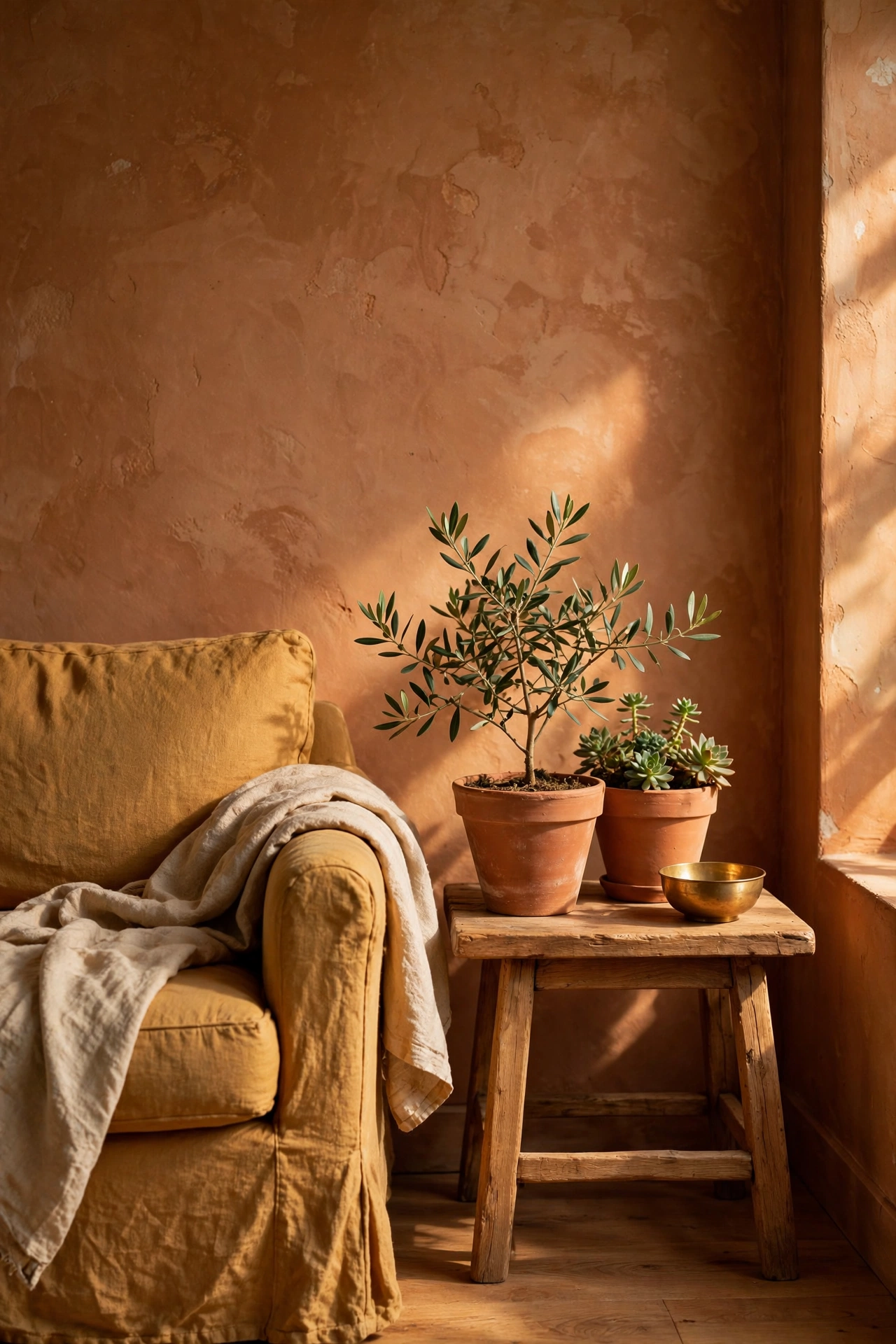
Every afrohemian room starts with earth. Terracotta, clay, ochre, sand, warm wood browns, and deep umber form the base, and they do most of the heavy lifting. These colours are forgiving in a way cool neutrals never are: they make skin tones look good, they glow in lamplight, and they hide the small scuffs of real life. A room anchored in earth tones feels settled from the first week, not after a year of living in it.
Once the earth base is down, add the pulse. Indigo blue, emerald green, and warm gold are the jewel tones that keep afrohemian rooms from feeling one-note. They appear in textiles, art, and small objects rather than on walls: a kente cushion with gold and green, an indigo-dyed throw, brass candlesticks on the mantel. Used in small doses, they give the room its energy without fighting the calm base.
The working ratio is simple and hard to mess up. About sixty percent earth tones (walls, large furniture, main rug), thirty percent mid-tones (textiles, wood pieces, leather), ten percent jewel tones (accents and art). If your room leans too loud, you have too much jewel; if it leans too flat, you need more. And if you want to go deeper on the warm side of this palette, our guide to chocolate brown and terracotta decor shows how far those two colours can carry a room.
Designer note: Paint is the cheapest way to set the palette. A single wall in warm clay or deep terracotta changes the whole temperature of a room for the price of a tin of paint, and it makes every textile you already own look more expensive.
Start With Textiles: The Heart of the Look
 Save
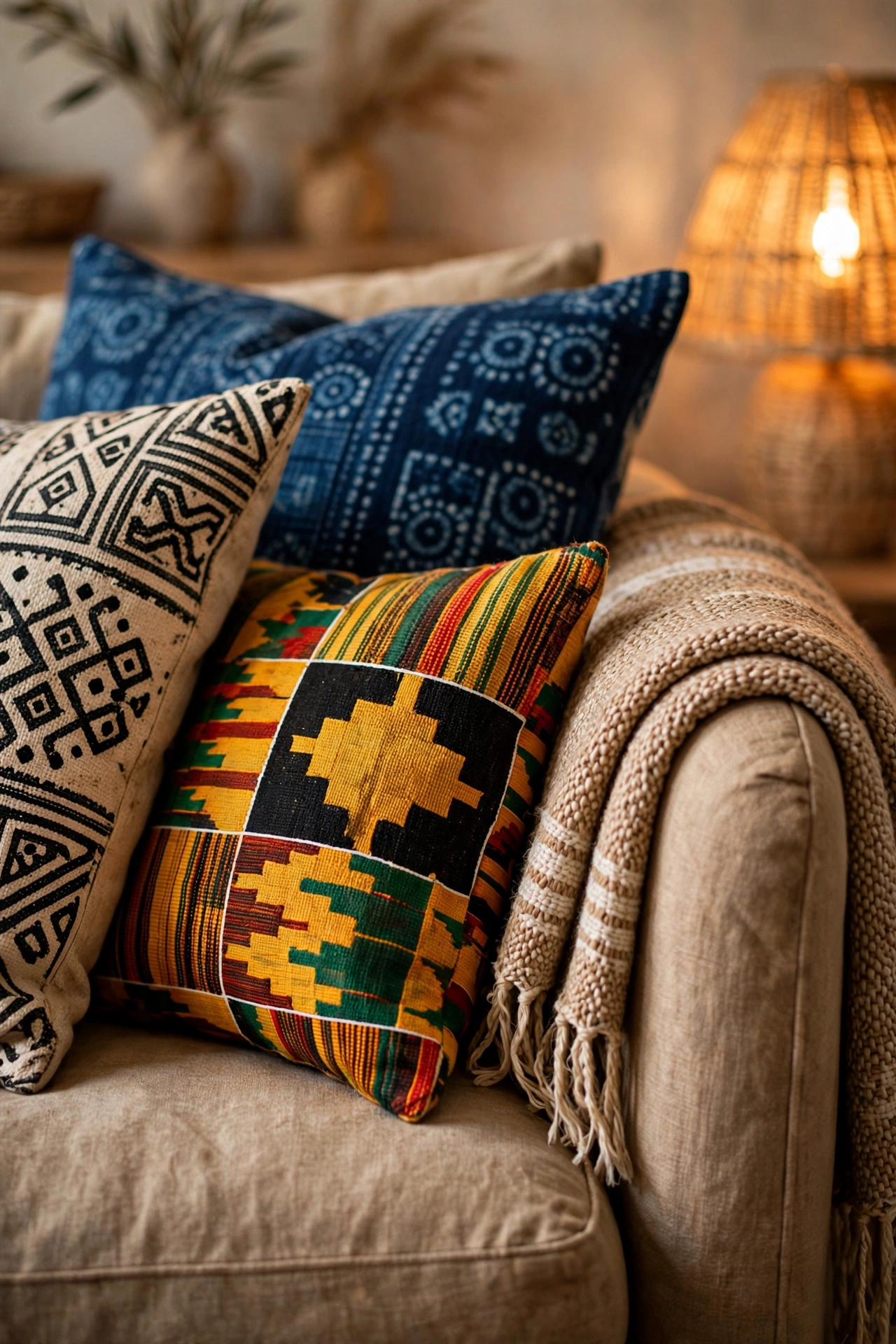
If afrohemian style has a heart, it is fabric. No other element carries the look as far, and no other element is as easy to change. Textiles are also where the style’s African roots show most clearly, because the patterns are the real thing: developed over centuries, woven and dyed by hand, and still made today by artisans.
Here are the key cloths to know:
| Fabric | What it is | How to use it |
|---|---|---|
| Mudcloth (bogolan) | Malian cotton, hand-dyed with fermented mud in geometric patterns | Cushions, throws, or a wall hanging |
| Kente | Ghanaian woven strips in bold colour blocks | One statement cushion or folded throw |
| Adire | Nigerian indigo-dyed cloth with resist patterns | Throw pillows or a runner on a bench |
| Raffia / sisal | Natural palm and grass fibres | Rug, placemats, or basket texture |
| Ankara | West African wax-print cotton in vivid prints | Curtains or reupholstered ottoman |
The secret to mixing these without chaos is restraint in quantity, not in colour. Pick three textiles maximum for one room, and let each one have its job: a large-scale print on the rug or curtains, a medium print on two or three cushions, a small print on one accent piece. Repeat one colour from each textile somewhere else in the room and the mix reads as intentional. Ignore the old rule that patterns must match. In this style, they talk to each other; they do not have to agree.
Styling tip: Drape rather than fold. A mudcloth throw tossed over one sofa arm looks collected; the same throw folded into a perfect rectangle looks staged. Afrohemian rooms should feel lived in, and nothing says lived in like fabric that fell naturally.
Furniture That Honours Handmade Craft
 Save
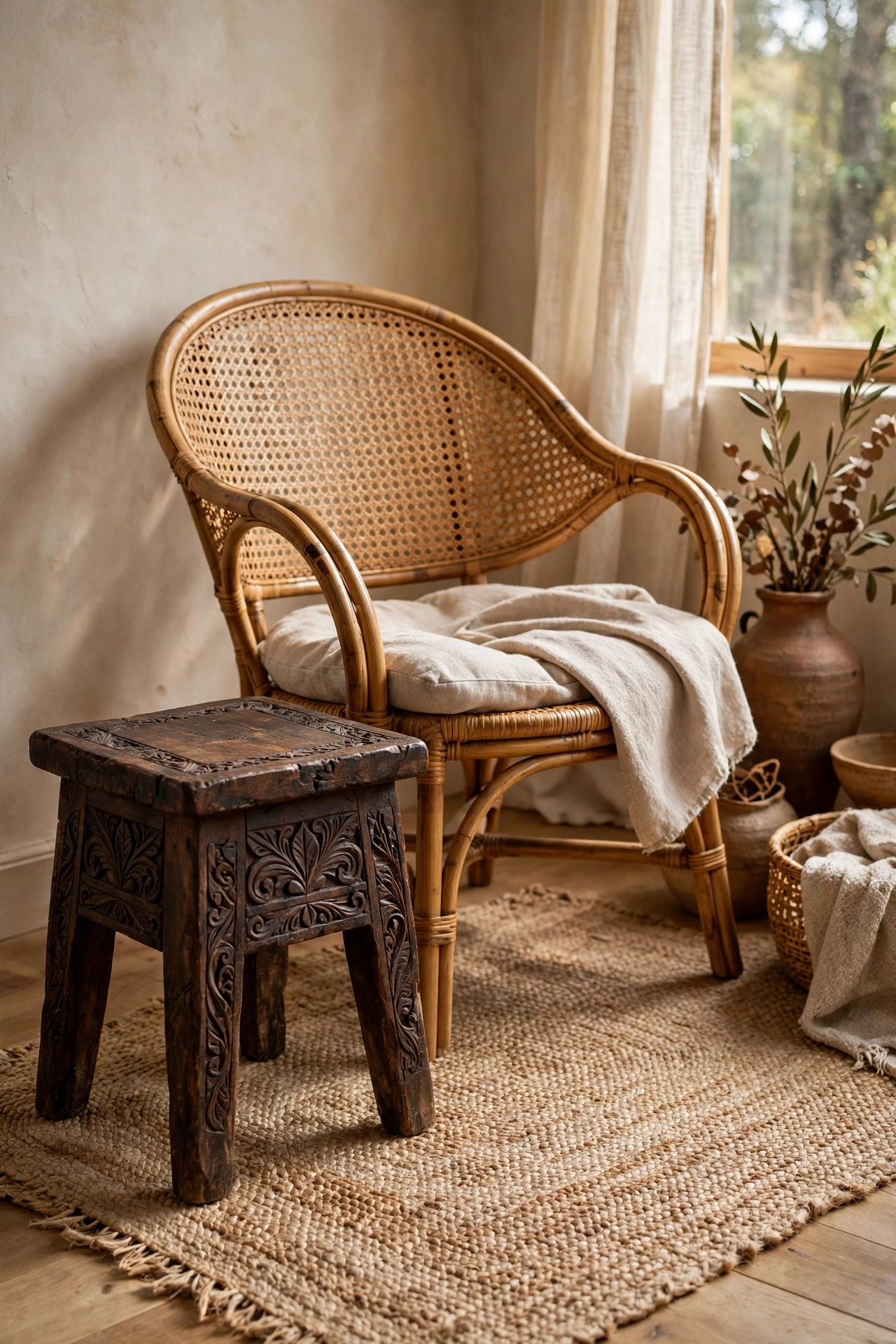
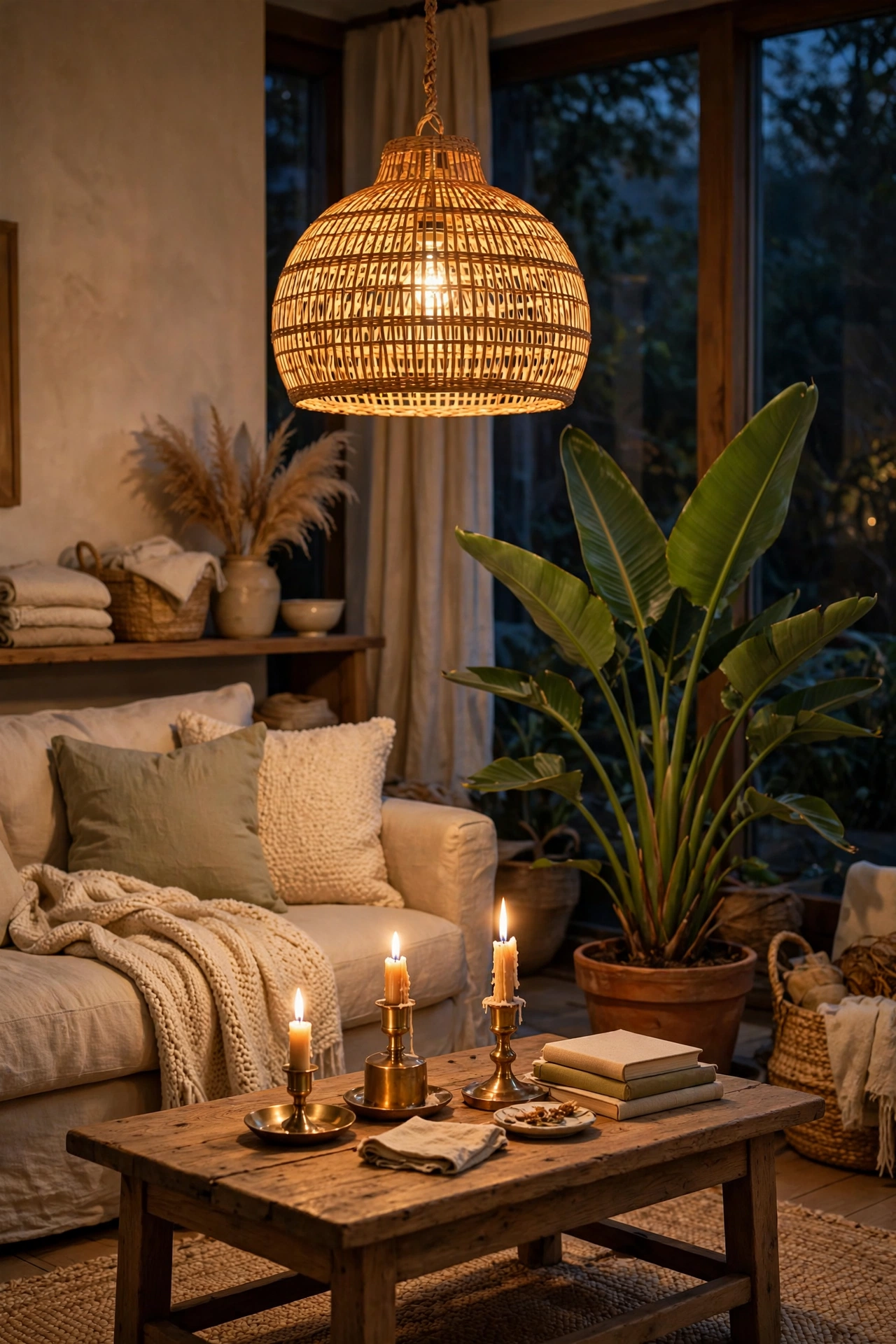
Afrohemian furniture favours the handmade over the machined. You are looking for pieces that show the hand of the maker: grain you can feel, weave you can see, joints that are not quite perfect. A carved wooden stool from a market trip will do more for this room than a flawless side table ever could, because the style is built on evidence of human making.
The silhouettes to hunt for are generous and low. A deep rattan or cane chair with a curved back. A low wooden bench that doubles as a coffee table. Leather poufs that pull up for extra seating. Stools carved from a single piece of wood, the kind that work as side tables, footrests, or extra seats depending on the hour. These shapes keep the room relaxed, and their natural materials sit perfectly inside the earth-tone palette.
Mixing old and new is not just allowed, it is the method. Pair a vintage carved console with a plain modern sofa. Set a handmade stool beside a clean-lined bookshelf. The contrast is what makes each piece look chosen rather than bought as a set. And the best sourcing advice is boring but true: check local vintage shops, estate sales, and artisan markets before you check the big retailers. Handmade pieces age beautifully, and a twenty-year-old carved stool has a presence no factory piece can copy.
Afrohemian rooms also welcome other handmade traditions alongside the African pieces. If you collect vintage crafts from other cultures, they sit happily here, and our roundup of vintage-inspired handmade pieces shows how heritage textiles can work in modern rooms.
Walls With Stories to Tell
 Save
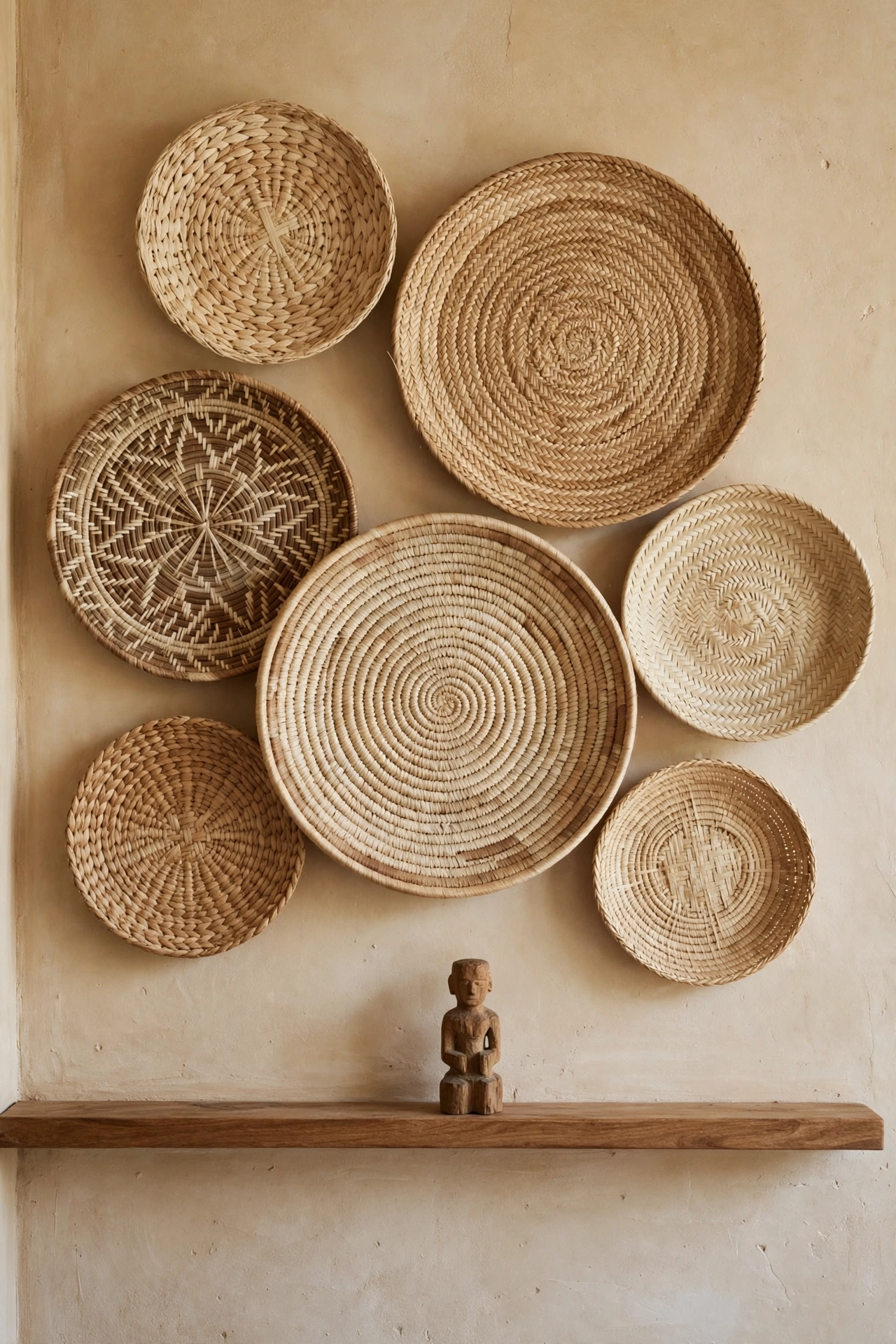
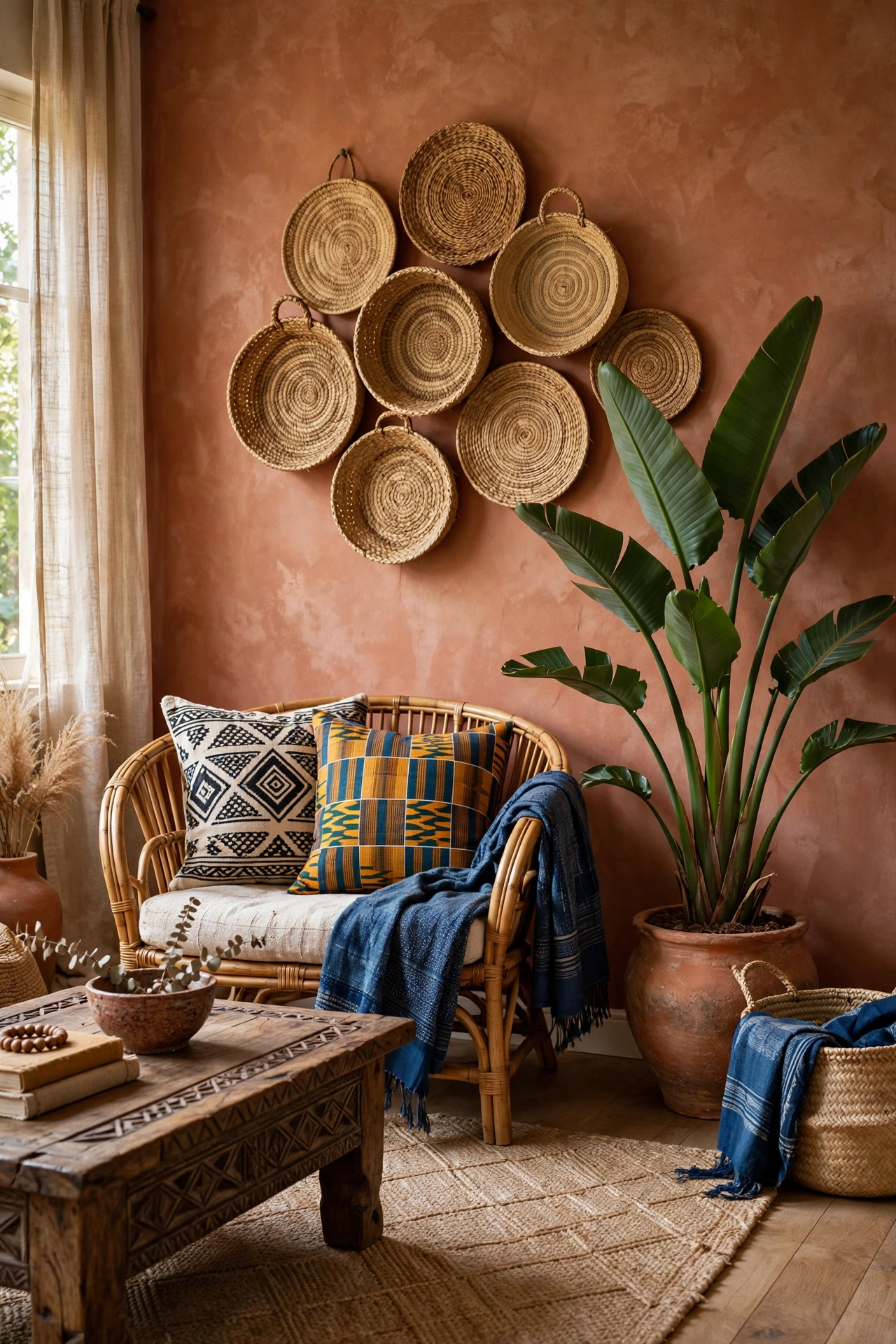
Bare walls are the enemy of this style. Afrohemian rooms want walls that say something, and the good news is that the most effective wall decor in this look is also the most affordable: woven baskets. A cluster of flat woven baskets in different sizes, hung in a loose organic arrangement, is practically the signature move of the style. It adds texture, pattern, and warmth in one go, and it costs a fraction of framed art.
To hang a basket wall that looks artful rather than random, start with the largest basket slightly off centre and build outward, keeping gaps of two to three inches. Mix sizes and patterns but keep the colour family consistent: all natural grasses, or all with black-and-cream patterns, for example. Step back often. The arrangement should feel like a constellation, not a grid.
Beyond baskets, consider wooden carvings, framed textile art, and prints by African artists. A single large piece of art above the sofa anchors the room, while smaller carvings and objects fill the spaces between. If you travel, this is the style that rewards the suitcase souvenir: the mask from a gallery visit, the woven panel from a market, the photograph you had framed. Rooms built from real memories never look decorated by committee.
One caution worth repeating: display cultural objects with understanding. A beautiful carved figure deserves to be shown with the same respect you would give any art. Learn what it is, where it is from, and treat it as art, not as an exotic prop. The room will be better for the knowledge, and so will the conversations it starts.
Light, Greenery, and the Finishing Touches
 Save
Light makes or breaks an afrohemian room. The palette is warm, and it needs warm light to match. Swap any cool white bulbs for warm ones in the 2700K range, and lean on lamps rather than overheads. A woven rattan or cane pendant over the coffee table throws patterned shadows that become part of the decor. Table lamps with fabric shades soften corners. A few candles in brass or clay holders finish the job, and a little brass styling in the details adds a quiet glow that suits the whole palette.
Try this: Put every lamp in the living room on a dimmer or a smart plug. Afrohemian rooms are meant to shift mood from bright daytime to golden evening, and being able to lower the light changes the room more than any new purchase.
Plants are the other essential layer. Big, sculptural greenery, a bird of paradise, a fiddle-leaf fig, or a tall snake plant, brings the outdoors in and echoes the natural materials everywhere else. Clay and terracotta pots keep the look cohesive; skip the glossy ceramic in neon colours. If your thumbs are not green, a large dried arrangement of pampas grass or palm fronds in a woven basket gives a similar silhouette with zero watering.
The finishing touches are small objects with weight and texture: a stack of art books on African design or photography, a carved wooden bowl for keys, a folded throw on the bench, a scent that fits the room like cedar or amber. None of these cost much. Together they are the difference between a room that photographs well and a room that feels good to sit in. That feeling is the entire goal.
Bringing It All Together
Afrohemian style is not a shopping list, it is a way of seeing a room. Start with earth tones, layer in textiles with real stories, choose furniture that shows the maker’s hand, fill the walls with pieces that mean something, and finish with warm light and living green. Buy slowly, buy thoughtfully, and let the room collect over time rather than arriving all at once. A living room built this way does not just look warm. It feels like it has a memory, and that is the quality no catalogue room can fake.
Frequently Asked Questions
What is the difference between afrohemian and boho decor?
Boho is a broad, eclectic style built on layered global influences with no single root. Afrohemian is more specific: it centres African design traditions, textiles, craft, and colour, blended with bohemian layering. Think of it as boho with a clear cultural anchor and a warmer, earthier palette.
How do I decorate afrohemian style on a budget?
Textiles first, always. Two or three cushions in mudcloth or Ankara-style prints, a woven basket cluster on the wall, and warm light bulbs can transform a room for very little. Thrift stores and vintage markets are goldmines for carved wood and rattan pieces. Save the investment pieces, like a quality rug or an artisan-made throw, for later.
Which colours work best for an afrohemian living room?
Start with earth tones: terracotta, clay, ochre, sand, and warm browns. Then add small doses of jewel tones like indigo, emerald, and gold through textiles and accents. Keep roughly sixty percent earth, thirty percent mid-tones, ten percent jewel tones, and the palette stays balanced.
Where can I buy authentic African decor?
Look for fair-trade shops, artisan cooperatives, and independent makers on marketplaces like Etsy who name the artisans and origins of their pieces. Local African markets and cultural festivals are excellent sources too. Be wary of mass-produced copies that mimic traditional patterns without crediting or paying the communities that created them.
Can afrohemian style work in a small living room?
Yes, and it can be ideal for one. The style is about layering and warmth rather than square footage. In a small room, keep the earth-tone base light (sand and clay rather than deep umber), use one bold textile instead of three, and let a single basket cluster or one large art piece do the wall work. The cosiness of the style makes small rooms feel intentional rather than cramped.
2 thoughts