There is a particular kind of calm that comes from a room that looks like it grew there. Not styled to within an inch of its life, not polished until it shines, just warm, a little rough around the edges, and easy to sit in. That feeling is at the heart of dirtcore decor, a look built from soil browns, raw clay, moss green, and materials that still show where they came from.
If your home has started to feel too smooth, too grey, or too careful, dirtcore is a useful reset. It does not ask you to buy a whole new room. It asks you to swap a few shiny finishes for honest ones, bring in texture you can actually feel, and let nature do some of the decorating. The result is a home that feels grounded in the best sense: steady, warm, and a little bit wild.
This guide walks through dirtcore decor room by room, material by material, so you can try the look without turning your living room into a garden shed. You will find paint colours that work, textures worth touching, and simple ways to layer it all so the room still feels like a home, not a display.
Start With the Soil: A Brown Palette That Feels Lived In
 Save
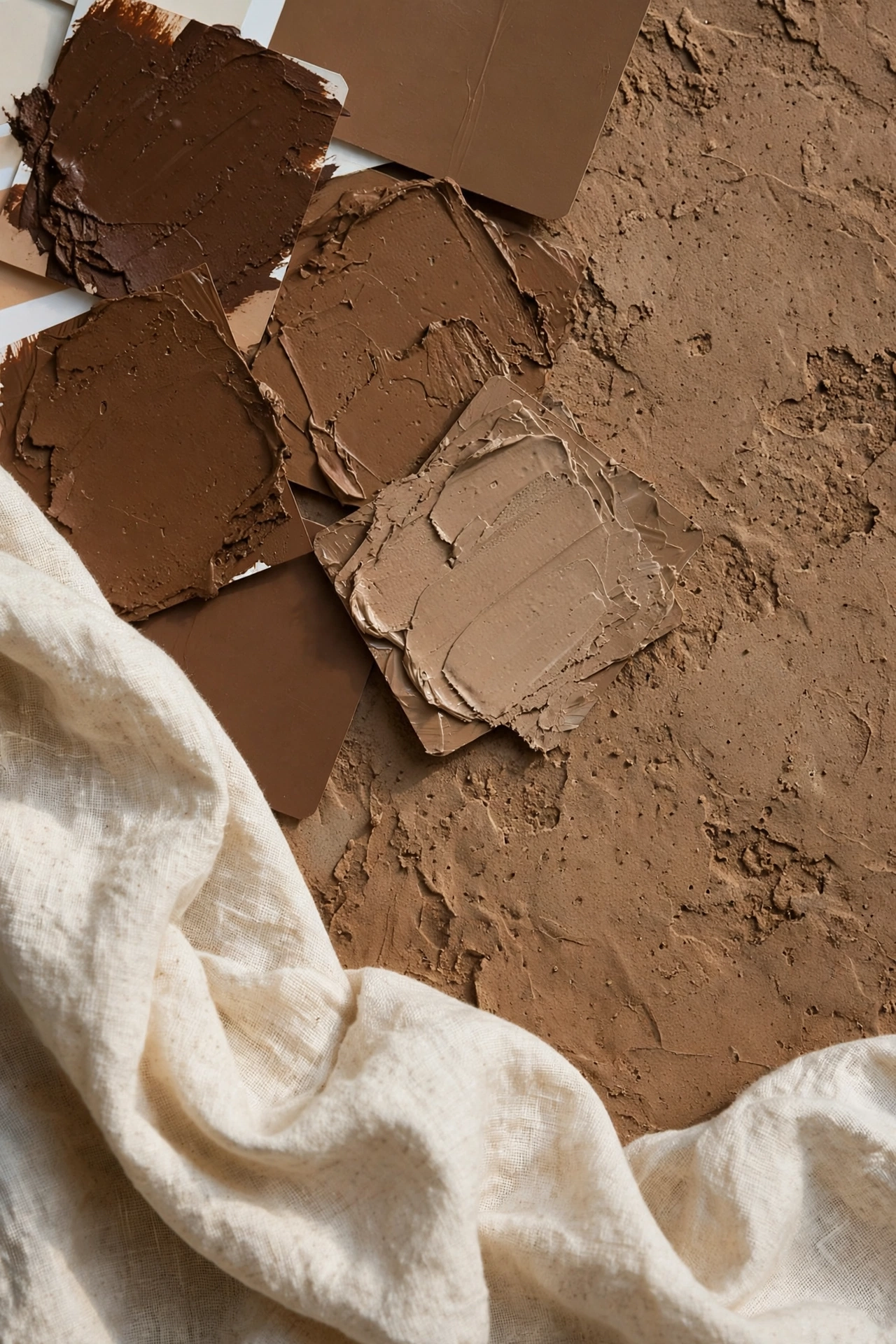
Dirtcore starts with brown, but not one flat brown. Think of the range you see on a walk after rain: dark topsoil, damp bark, dry leaves, pale sand, and the warm rust of clay paths. Used together, those tones stop a room feeling muddy and start making it feel layered.
Paint is the fastest way in. A deep chocolate on one wall can anchor a room, while a lighter mushroom or taupe on the other walls keeps it from closing in. If a full brown room feels like a lot, try it in a smaller space first, a hallway, a reading corner, or the wall behind a bed. You get the warmth without committing the whole house.
For a closer look at how brown tones work with terracotta accents, see our chocolate brown and terracotta decor ideas, which pairs those warm shades with soft furnishings that keep them from feeling heavy.
Keep your whites warm too. A stark, blue-white ceiling or trim can make earthy walls look dirty by contrast. Choose a creamy white, a soft linen, or a pale oat instead, and the browns will read as rich rather than dark. The same goes for bedding and curtains: natural cotton and washed linen in cream, stone, and sand will sit far more happily against a dirtcore palette than crisp white percale.
| Shade family | Where it works best | Pair it with |
|---|---|---|
| Dark chocolate | One feature wall, cabinetry, a bookcase | Cream linen, brass, pale wood |
| Warm taupe | Whole-room walls, large sofas | Moss green, terracotta, rattan |
| Clay rust | Cushions, throws, pottery, a painted door | Deep brown, sage, natural oak |
| Pale sand | Bedding, curtains, rugs | Any darker brown, olive, stone |
Styling tip: Test paint in the evening as well as in daylight. Browns shift a lot under warm lamps, and a shade that looks like soil at noon can turn orange or purple at night. Paint a large swatch, live with it for two days, then decide.
Clay, Terracotta and Unglazed Texture
 Save
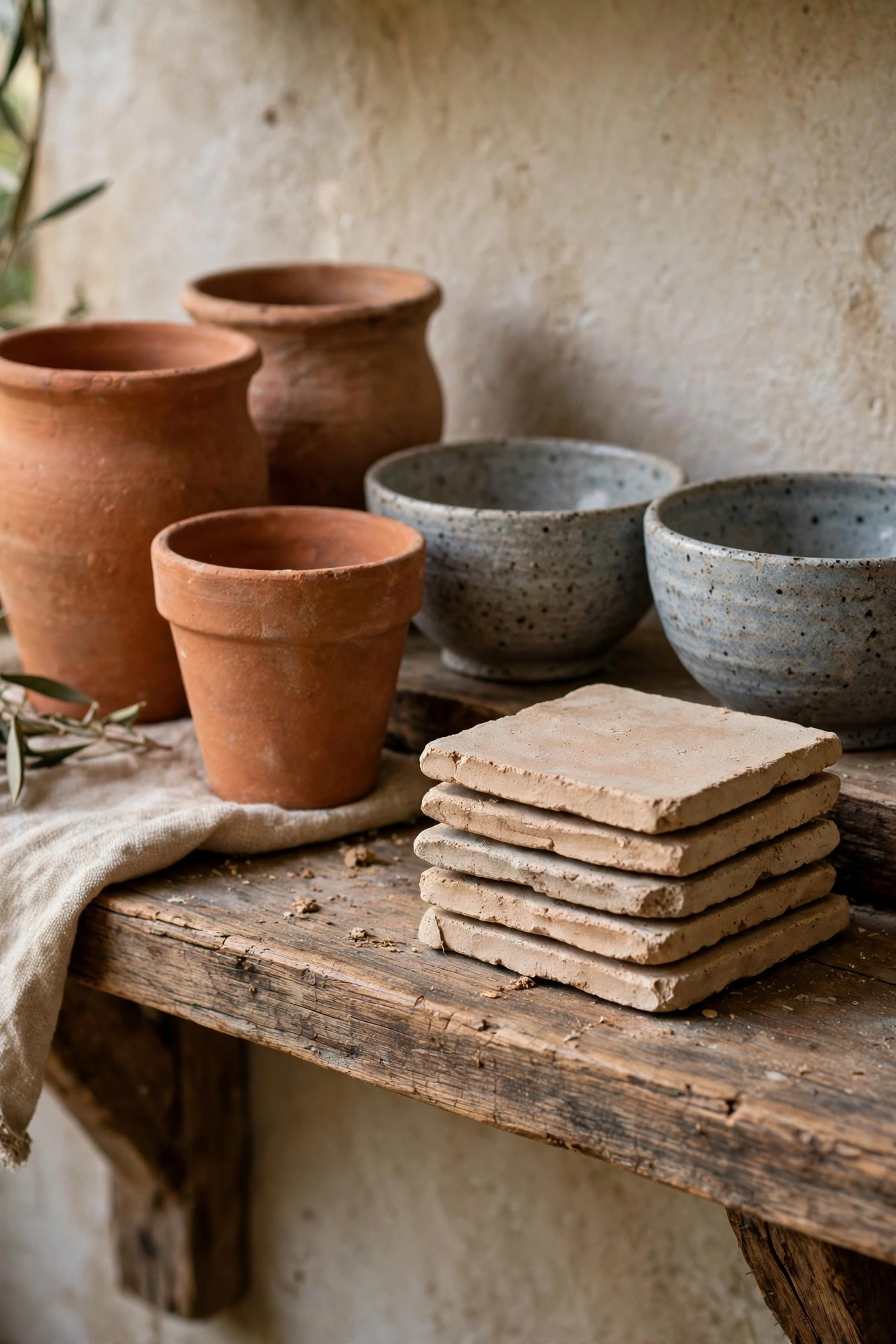
If brown is the colour of dirtcore, clay is its texture. Unglazed terracotta pots, rough stoneware bowls, and handmade tiles all carry tiny flaws: a slightly uneven rim, a thumbprint in the glaze, a colour that varies from one side to the other. Those flaws are the point. They stop a shelf from looking like a shop display and make it look collected over time.
Start on surfaces you already use. Swap a glossy vase for a terracotta one, put a stoneware jug on the kitchen counter for wooden spoons, or stack two or three clay bowls on an open shelf. In the bathroom, a rough ceramic soap dish and a terracotta pot for a trailing plant do more than a full renovation would.
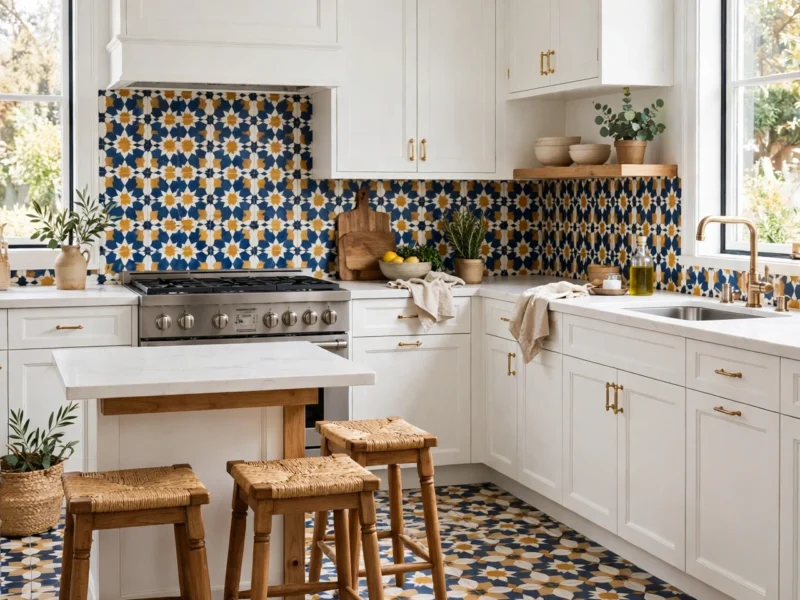
Handmade tiles are the bigger move, and they suit dirtcore well because their edges are never perfectly straight. A terracotta tile splashback, a clay-toned fireplace surround, or even a single row of handmade tiles in a kitchen can bring the whole look together. Keep grout in a warm, sandy tone rather than bright white, so the tiles blend instead of standing out like a grid.
Budget swap: You do not need artisan prices to get the texture. Garden centres, charity shops, and market stalls often sell plain terracotta pots for very little. A coat of matte sealant on the inside stops water marks, and grouping three pots of different heights looks far more considered than one expensive piece on its own.
Avoid pairing clay with too much gloss elsewhere. A high-shine countertop or a lacquered table will fight with it. Matte wood, honed stone, and brushed metal sit quietly beside clay and let its texture lead.
Moss, Lichen and the Quiet Green Layer
 Save
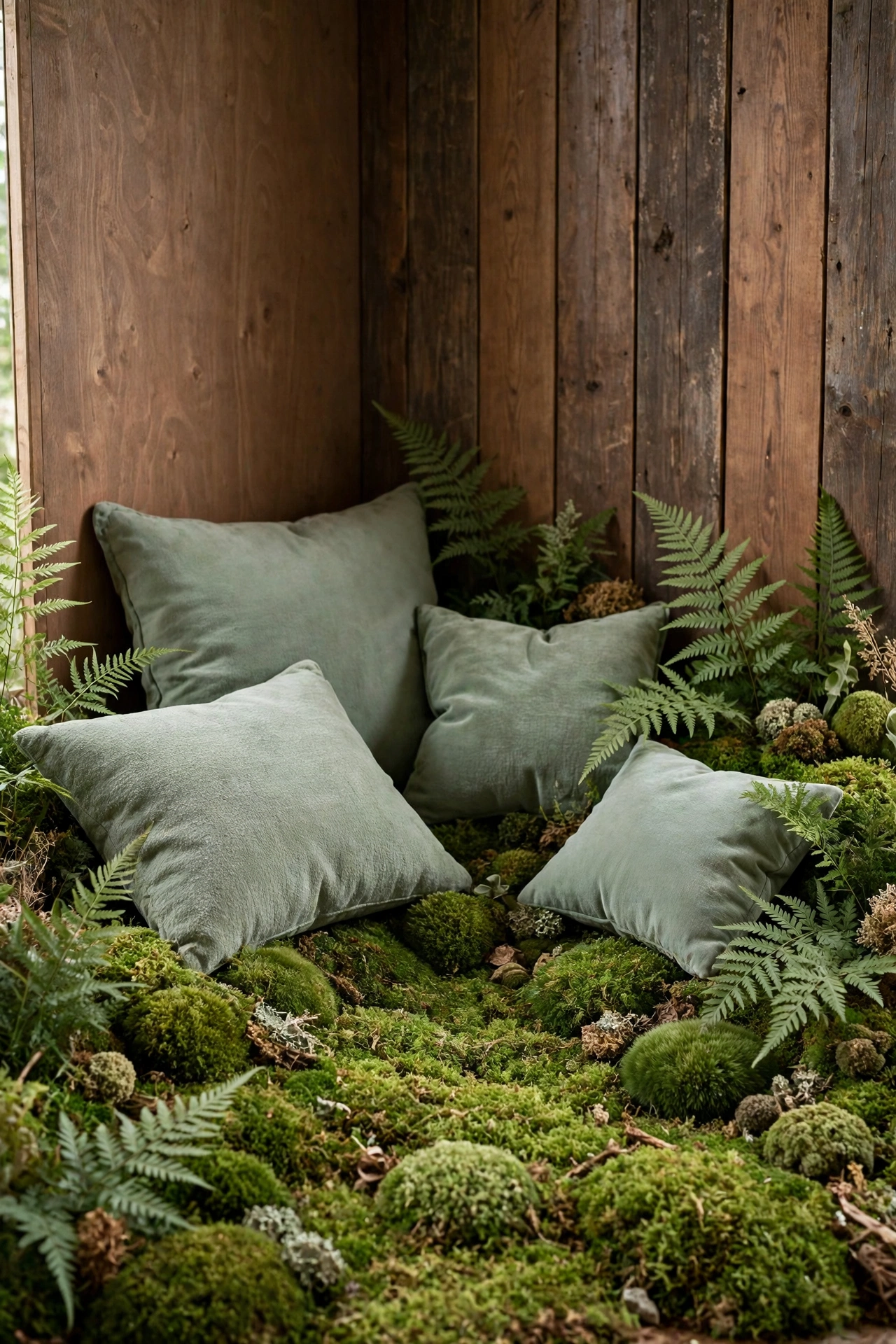
Dirtcore is not all brown. Its green is quiet and low to the ground: moss, lichen, sage, and the dusty olive of leaves in late autumn. This is not the bright green of a tropical plant wall. It is softer, greyer, and easier to live with for months at a time.
Real moss is the most literal option, and it works best in small doses. A moss-topped plant pot, a preserved moss frame in a hallway, or a shallow bowl of moss and pebbles on a coffee table brings the forest floor indoors without any upkeep. Preserved moss needs no water and no light, which makes it a good choice for a bathroom or a north-facing room where live plants struggle.
For paint and fabric, look for sage, lichen, and olive tones rather than pure green. A sage throw on a brown sofa, olive cushions on a cream bed, or a moss-green velvet chair in a taupe room adds life without breaking the earthy mood. If you want a stronger green moment, keep it to one piece, a painted cabinet, a single armchair, and let the browns around it do the calming work.
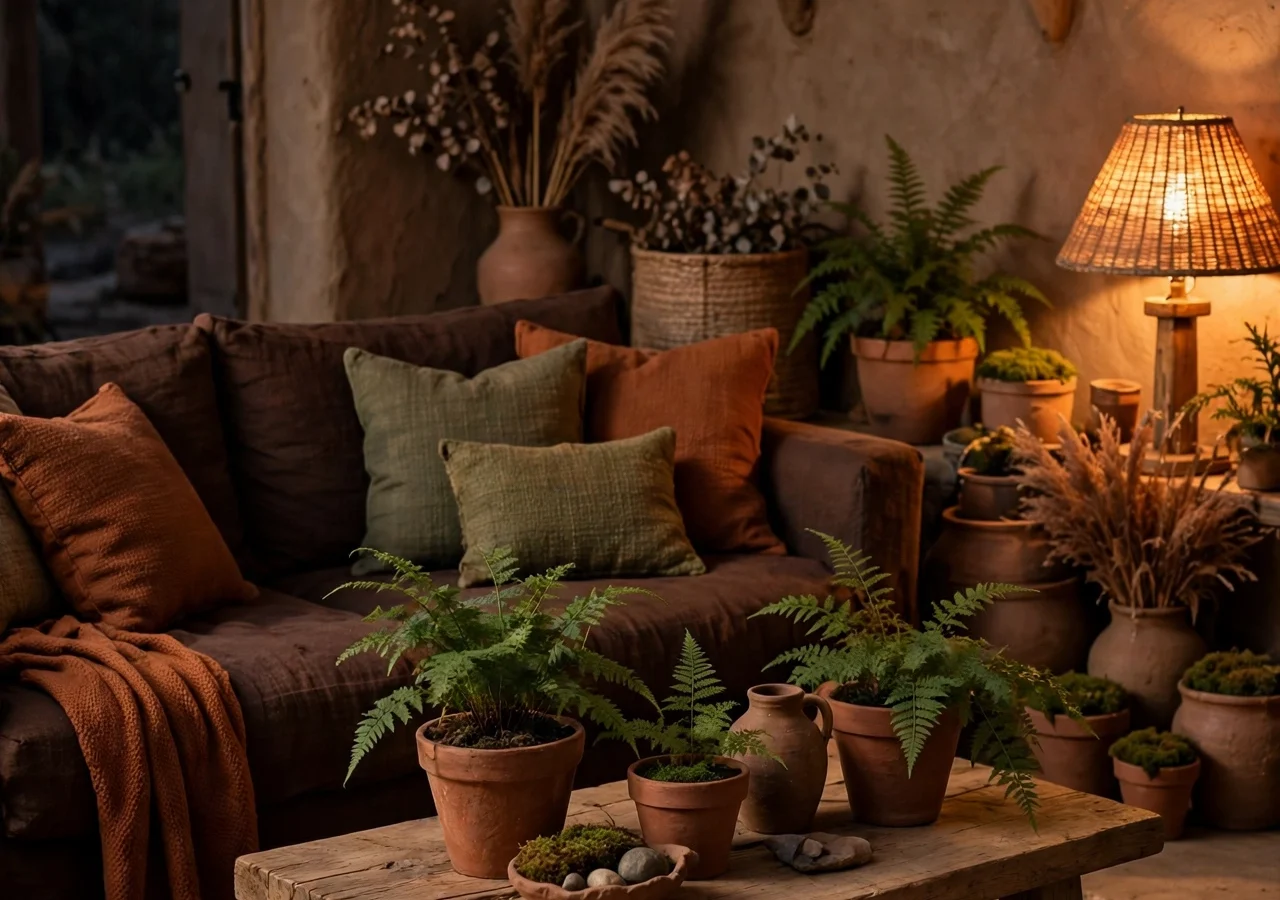
Plants help, but choose the right shapes. Ferns, trailing ivy, and small potted herbs suit dirtcore better than large, glossy-leaved statement plants. Their softer, more tangled growth matches the look, and they are forgiving if you forget to water them now and then. A fern on a wooden stool beside a terracotta pot is a classic dirtcore vignette for a reason: it looks like it arranged itself.
Wood, Stone and Other Raw Surfaces
 Save
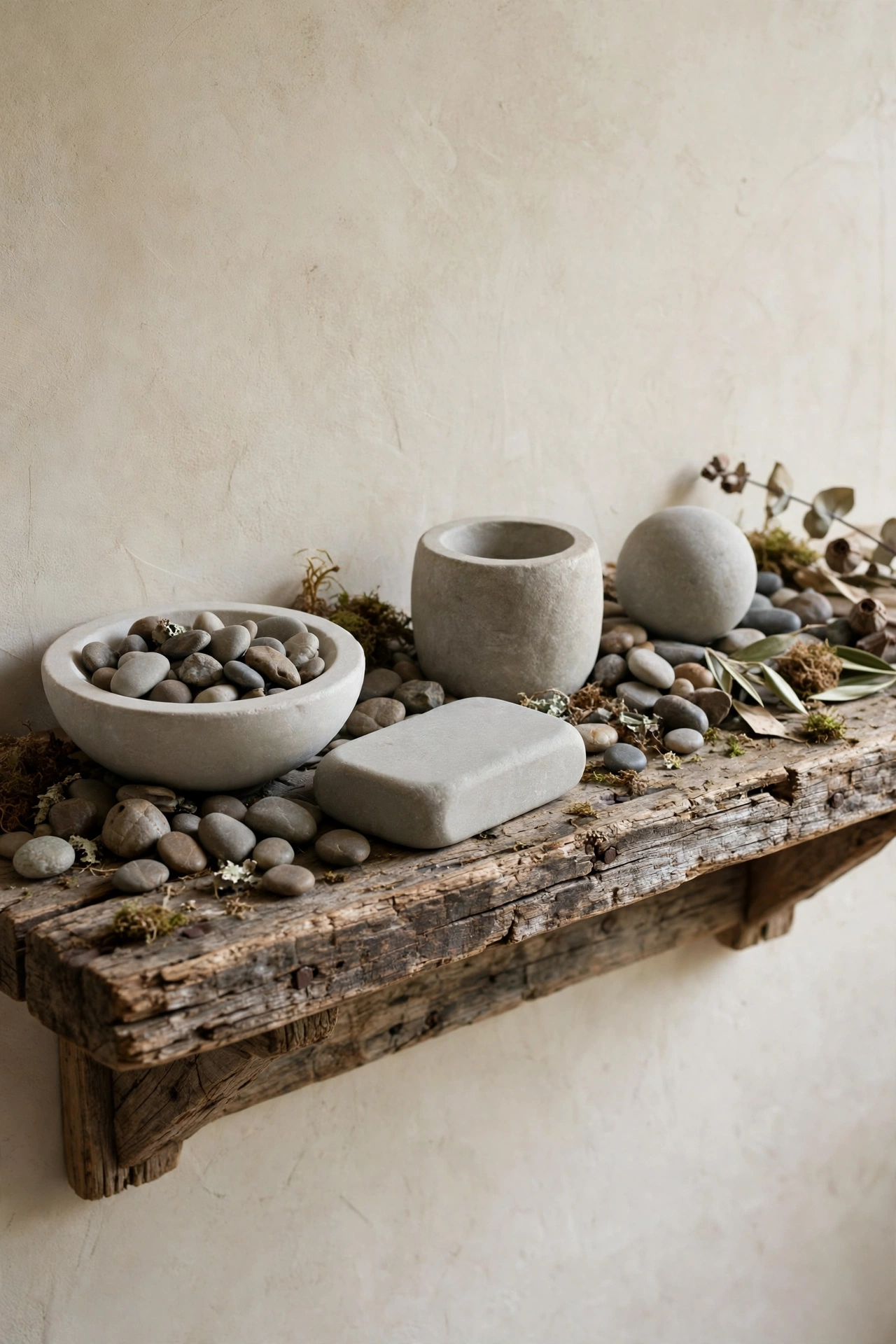
A dirtcore room should reward touch. Run your hand along a shelf and you should feel grain, not varnish. That means favouring raw and lightly finished surfaces over polished ones wherever you can.
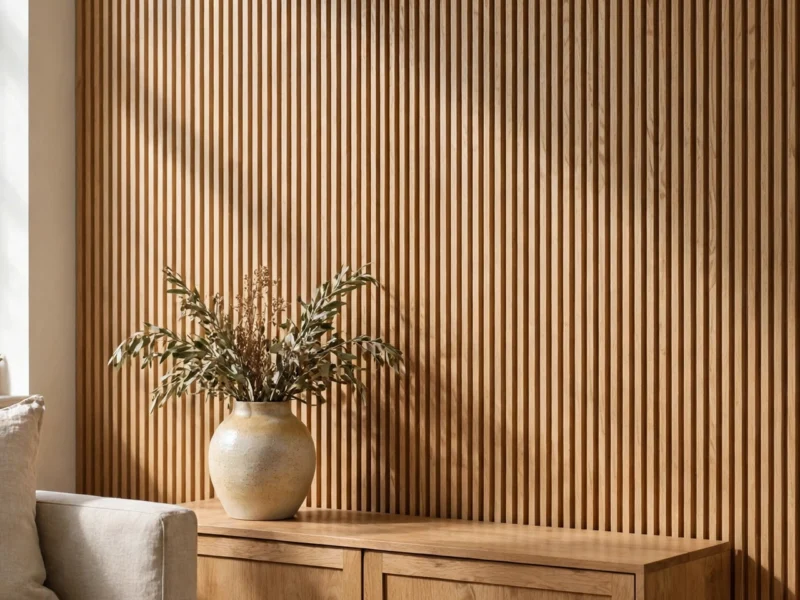
Reclaimed wood is the obvious hero. A thick oak shelf, a pine bench with visible knots, or a chopping board left out on the counter all add warmth and age. If reclaimed pieces are out of budget, look for new wood with a matte oil finish rather than a thick lacquer. Oil lets the grain show and it is easy to refresh with a cloth and a little more oil when it starts to look tired.
Stone works the same way. A slate cheese board, a rough granite doorstop, a stack of river pebbles in a glass jar by the bath, or a stoneware tray on a coffee table all add weight and coolness that balances the warm browns. You do not need a stone wall to get the effect. Small, heavy objects scattered through a room give the same grounded feeling in miniature.
For walls, textured finishes beat flat paint for this look. Limewash, clay plaster, and other mineral finishes have a soft, cloudy depth that suits earthy colours far better than a flat emulsion. If you are curious about that chalky, layered wall finish, our guide to limewash walls and how to style them explains the technique and the rooms where it works best.
Designer note: Mix wood tones instead of matching them. Pale oak, mid walnut, and dark stained pine can sit in the same room if the palette around them stays earthy. Matching every wood exactly is what makes a room feel like a furniture showroom. A little variation makes it feel collected.
Dirtcore in the Living Room: Layering Without Clutter
 Save
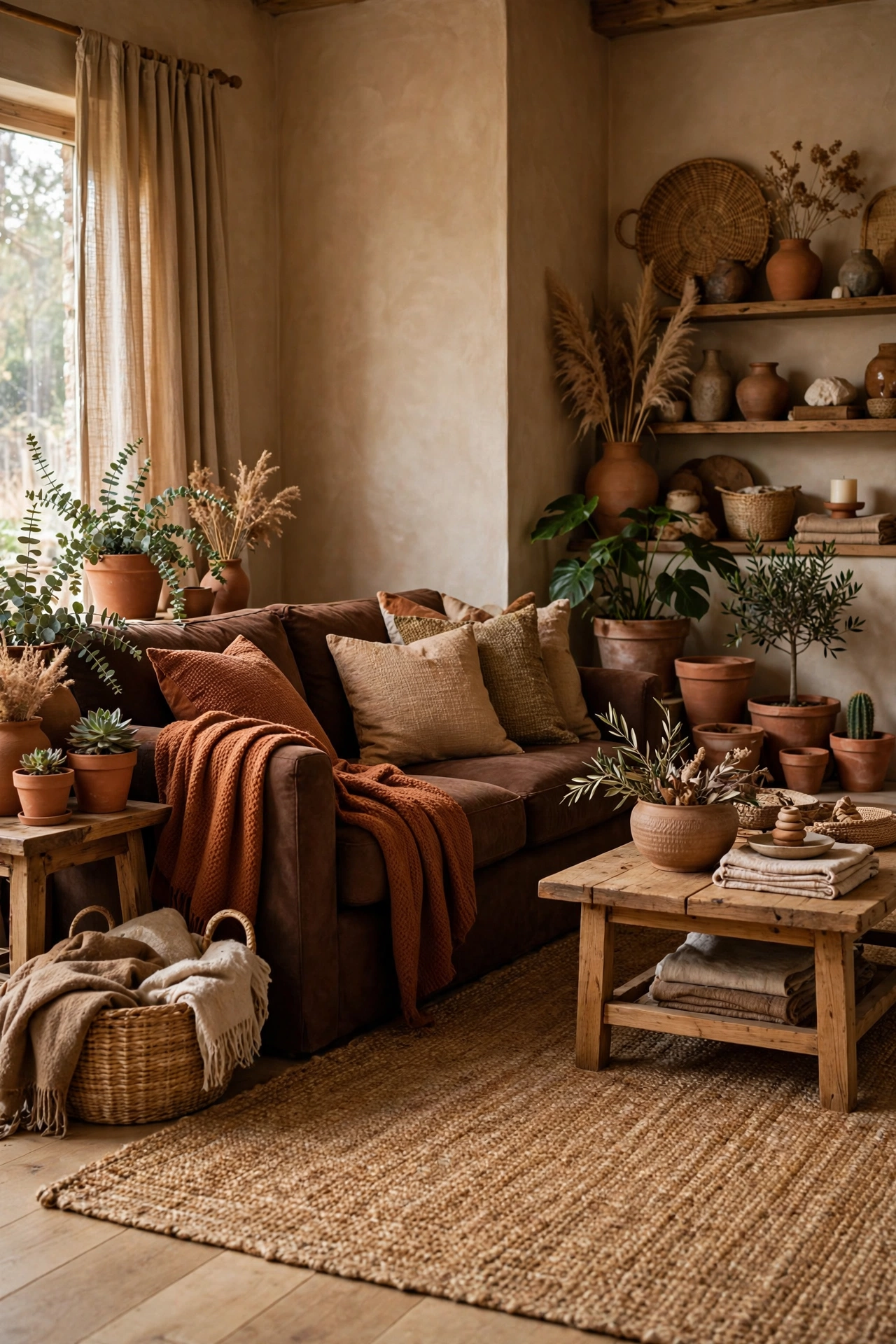
The living room is where dirtcore either works or tips into mess, so layering matters more than buying. Start with the biggest surfaces and work down: walls in taupe or chocolate, a sofa in a warm neutral, a rug in a natural fibre like jute or wool, and then add the earthy details on top.
A jute rug is almost a shortcut to this look. It brings texture underfoot, it hides crumbs and pet hair better than a pale carpet, and its sandy colour ties brown sofas and wooden floors together. Layer a smaller wool rug on top in rust or moss if the room feels bare, but keep the pattern simple. Stripes, plain weaves, and subtle checks work. Busy prints will fight with the natural textures.
Cushions and throws are where you can play. Mix linen, wool, and cotton in chocolate, rust, sage, and cream, and vary the sizes so the sofa does not look like a matched set. A chunky knit throw draped over one arm, a linen cushion slightly squashed from actual use, and a clay-coloured cushion that picks up the pots on the shelf will make the room feel lived in rather than arranged for a photo.
Keep one surface clear. A coffee table with a stoneware bowl, a stack of two books, and a small plant looks intentional. The same table covered in candles, trays, ornaments, and magazines looks like a nature table at a school fair. Dirtcore is about nature, not about owning every natural object you have ever seen.
Lighting should stay warm and low. Table lamps with linen shades, a floor lamp with a paper shade, and candles in terracotta or stone holders all suit the look. Avoid cool white bulbs, which make browns look grey and moss greens look sickly. Warm white bulbs, around 2700K, keep the whole palette glowing.
Dirtcore in Bedrooms, Bathrooms and Kitchens
 Save
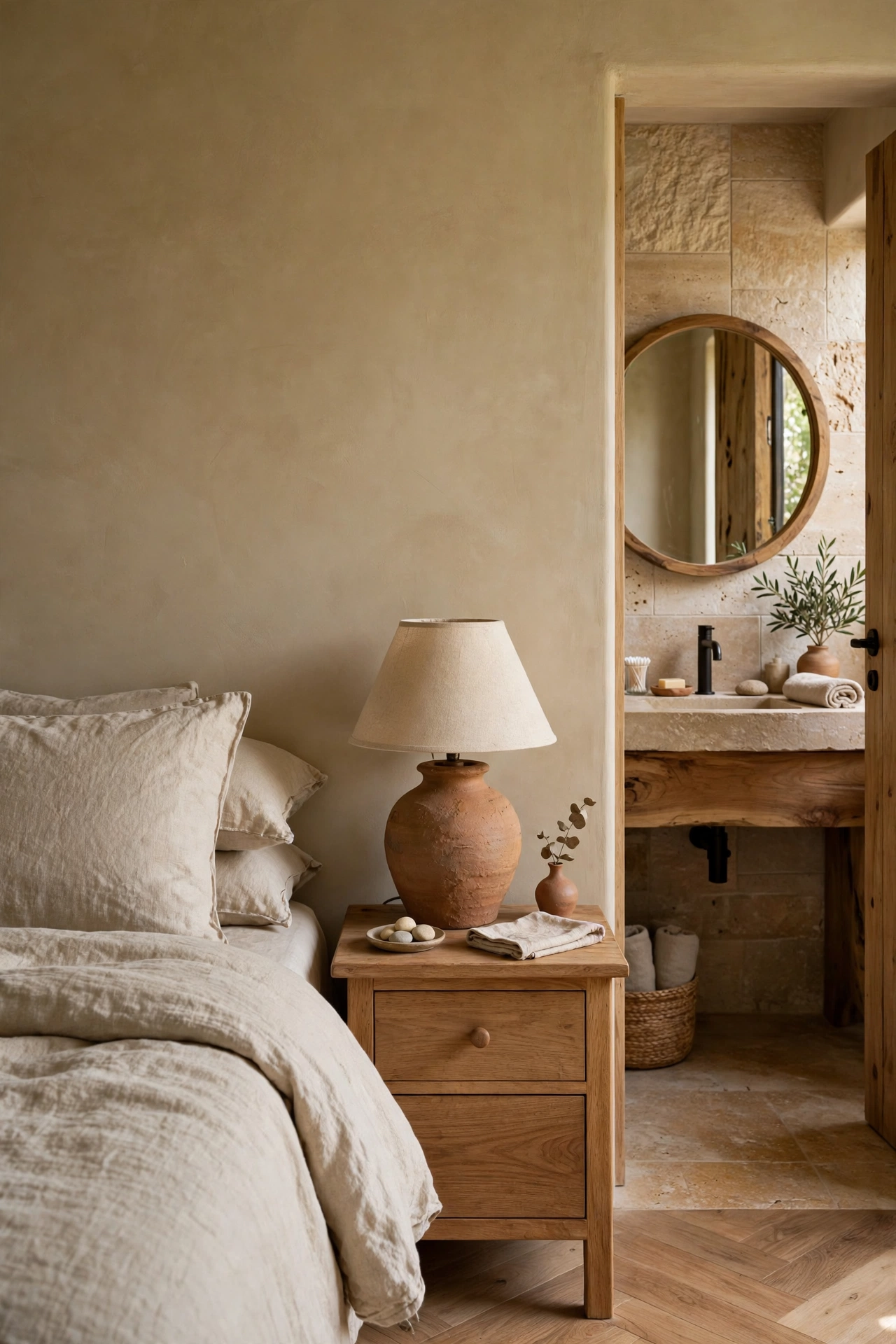
Dirtcore adapts well to smaller rooms because its palette is calming and its materials are practical. The trick is to adjust the balance for what each room has to do.
Bedrooms
In a bedroom, lean into softness. Washed linen bedding in oat and stone, a wool throw in rust, and wooden bedside tables with a clay lamp base make a room that feels like a cabin without any theme-park dressing up. If you paint, a chocolate wall behind the bed works as a headboard of sorts, especially with cream bedding in front of it. Keep the floor warm with a wool rug beside the bed rather than a cold hard floor first thing in the morning.
Bathrooms
Bathrooms suit dirtcore because stone, clay, and wood all cope well with humidity if they are sealed properly. A terracotta pot for a fern, a wooden bath mat instead of a plastic one, a stone soap dish, and towels in sage and sand will change the feel of a white bathroom without any tiling work. If you do tile, handmade-look tiles in clay tones and warm grout will do more than any accessory. Keep metal finishes brushed or aged rather than shiny chrome, so they do not clash with the matte textures.
Kitchens
Kitchens already have many of the right materials, so dirtcore here is mostly about editing. Leave wooden boards and stoneware bowls out where you use them, swap plastic containers for glass jars with wooden lids, and put herbs in terracotta pots on the windowsill. Open shelving in raw wood suits the look, but only if you can keep it fairly tidy. If open shelves stress you out, a single open shelf for daily bowls and mugs, with everything else behind cupboard doors, gives the same warmth without the upkeep.
For a bolder kitchen move, painting lower cabinets in a deep brown or moss green while leaving uppers in cream is a classic dirtcore combination. It grounds the room without darkening it, and it pairs well with wooden worktops and brass handles. The same single-colour approach is explained in our guide to colour drenching a room in one bold colour, which is worth reading before you commit to a full cabinet repaint.
Keeping It Grounded: Care, Light and Balance
 Save
Dirtcore looks effortless, but it needs a little maintenance to stay that way. Natural materials age, and that ageing is part of the charm, as long as it stays clean rather than grimy.
Dust terracotta and unglazed ceramics with a dry cloth rather than a wet one, since water can leave marks on raw clay. Oil wooden surfaces once or twice a year. Shake jute and wool rugs outside rather than vacuuming them too hard, which can pull fibres loose. Preserved moss just needs an occasional gentle dusting and keeping out of direct sun, which fades it.
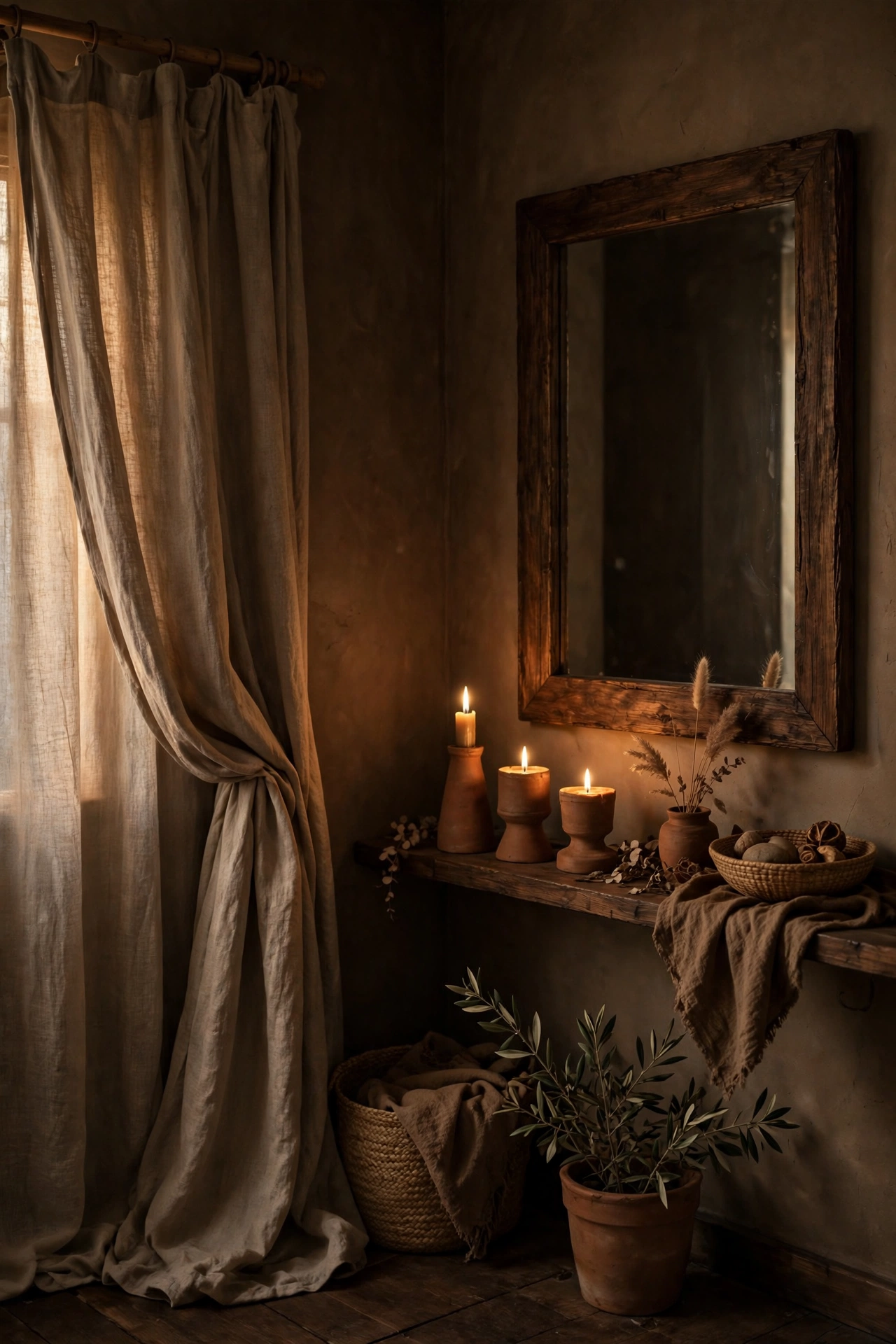
Light is the other balance to watch. Earthy rooms can go dark quickly, especially in winter. Keep windows as clear as you can, use mirrors in wooden or brass frames to bounce light around, and avoid heavy curtains in dark browns. A linen curtain in sand or oat filters light softly and keeps the room bright while still feeling natural. If a corner stays gloomy, a small lamp with a warm bulb will fix it far better than repainting the whole room lighter.
Finally, edit once a season. Dirtcore collects objects easily: a pebble from a walk, a pinecone, a dried flower, a new pot. Once every few months, take everything off one shelf, keep only the pieces you still love, and put the rest away or pass them on. The look depends on breathing room. A shelf with five well-chosen natural objects will always beat a shelf with fifteen, however pretty each one is on its own. That restraint is also what keeps the style feeling grown-up rather than crafty, and it leaves room for the next season to add its own layer.
That seasonal rhythm is part of why dirtcore works so well in autumn and winter. It borrows from the world outside, brings it in gently, and lets a home feel warmer as the days get shorter. You do not need to overhaul your house to try it. A few clay pots, a moss-green throw, a warmer paint colour, and a little less shine will get you most of the way there, and you can build from that base at whatever pace suits you. For more autumn styling that pairs with this earthy palette, see our woodland fall decor ideas for a softer, forest-inspired take on the same season.
Bringing It All Together
Dirtcore decor is not a rulebook. It is a preference for things that feel real: brown that looks like soil rather than paint swatches, clay you can feel, moss green that calms a room, and wood and stone that age gracefully. Start with colour, add one or two raw textures, and let the room settle before you add more. The best dirtcore rooms look like they happened slowly, and the best way to get there is to go slowly yourself.
Frequently Asked Questions
What exactly is dirtcore decor?
Dirtcore is an earthy, nature-led decorating style built around soil browns, clay, terracotta, moss green, and raw materials like wood and stone. It favours matte, handmade-looking finishes over shine and polish, and it aims for a warm, grounded room that feels connected to the outdoors.
Is dirtcore the same as cottagecore or dark academia?
No, though they share some ground. Cottagecore leans floral and romantic, and dark academia leans library-dark and formal. Dirtcore is earthier and rougher than both, with more emphasis on soil tones, raw clay, and mossy greens, and less emphasis on pattern or vintage books.
Will brown walls make my room look dark?
They can, if you use a very dark brown on all four walls with little light. Use deep brown on one wall, keep the others in taupe or sand, choose warm white trim, and add lamps with warm bulbs. In a small or north-facing room, start with brown furnishings and accessories rather than brown paint.
Can I do dirtcore in a rented home?
Yes, easily. Renters can use terracotta pots, jute rugs, linen bedding, wooden boards, and clay accessories without changing anything permanent. Peel-and-stick tiles in a clay tone, removable hooks for hanging plants, and a moss-green throw will give you the look with nothing to undo when you move.
How do I stop dirtcore looking messy?
Keep one surface clear in each room, group objects in odd numbers, and edit once a season. Choose a limited palette of brown, sand, rust, and one green, and stick to it. When everything shares the same earthy tones, even a full shelf reads as calm rather than cluttered.