
Cottagecore started as a daydream. Flower crowns, gingham dresses, a cottage somewhere with roses round the door and not a single bill to pay. Pretty to look at, hard to live in. The grown-up version keeps the feeling and drops the costume. It is the same warmth and romance, but in a home where real people eat dinner, drop their keys, and need a sofa they can actually sit on.
The difference is restraint. Young cottagecore piles on every floral print it can find. The grown-up version edits. One floral pattern, not four. A worn wooden table that has seen a decade of Sunday lunches instead of a brand new distressed one from a catalogue. Nothing here is pretending to be older than it is, and nothing is so precious you are afraid to touch it.
That is the test for every idea in this article. If it makes your home feel softer, warmer, and more like somewhere you want to spend a slow evening, it stays. If it only looks good in a photo, it goes. Here are eight ways to bring grown-up cottagecore home, in that order.
Quick Tips Before You Start
- Pick one floral and one stripe or check, then stop. Two patterns is a room; five is a theme park.
- Let one old thing anchor each room, a table, a mirror, a chair with a story, and build around it.
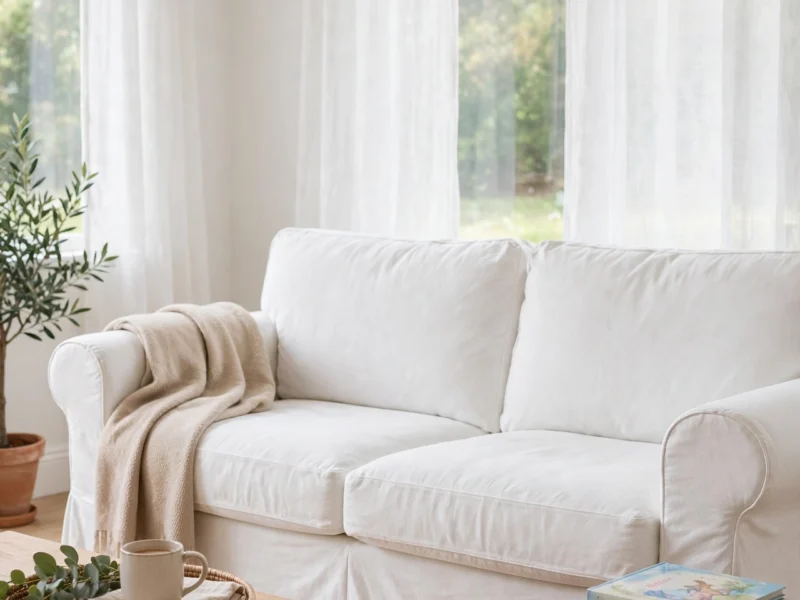
- Warm whites beat bright whites. Look for cream, parchment, and milk, not blue-white.
- If you cannot wash it, spill on it, or sit on it without worrying, it is decoration, not decor.
1. Start with a Colour Palette That Feels Like a Late Afternoon
 Save
Grown-up cottagecore colour is not pastel and it is not grey. It sits in the warm middle: sage green, mushroom, dusty rose, oat, honey, and the soft brown of a well-used wooden spoon. These colours do not shout. They hold a room the way late afternoon light does, low and golden and easy on the eyes.
Pick three and repeat them through the house. A sage green in the living room cushions can show up again as the paint on a kitchen dresser. The dusty rose on a bedroom throw can reappear as the lining of a curtain in the hallway. Repetition is what makes a small house feel considered instead of collected by accident.
Paint is the cheapest way to set the mood. A single wall in sage or mushroom changes a room more than any accessory. Keep ceilings warm white, never brilliant white, or the contrast will feel cold against all that softness. If you rent and cannot paint, the same effect comes from large pieces of fabric: a linen tablecloth, a wool throw over the back of the sofa, curtains that puddle a little at the floor.
Colour: sage, mushroom, and dusty rose on a base of oat and honey. Texture: matte paint, linen, and wool, nothing glossy. Swap: trade cool grey cushions for warm mushroom ones and watch the whole room relax.
2. Let Old Wood Do the Talking
 Save
Nothing says cottagecore like wood with a history, and nothing says grown-up like wood you did not have to fake. A scratched pine table, a dresser with one drawer that sticks, a chopping board darkened by years of use. These pieces carry the story that new furniture can only imitate, and imitation is where cottagecore tips into costume.
You do not need a house full of antiques. One honest piece per room is enough. A solid oak coffee table in the living room. A pine chest at the foot of the bed. A wooden stool by the back door that holds muddy boots and yesterday’s newspaper. Let the rest of the furniture be simple and quiet so the old piece has room to breathe.
Mix woods rather than matching them. Oak, pine, walnut, and painted wood can all live in one room if the tones are warm. What looks wrong is a set of matching veneer pieces trying to look like a showroom. Real cottages grew one piece at a time, and your home should look like it did too.
Placement: put the oldest piece where the eye lands first, opposite the door or at the end of the room. Colour: warm honey and walnut tones, avoid orange varnish. Swap: replace a flat-pack side table with a secondhand wooden one from a charity shop, same size, ten times the character.
3. Layer Textiles Like You Mean It
 Save
Cottagecore lives in fabric. Not one throw draped for a photo, but layers that look like someone actually uses them: a linen tablecloth under a cotton runner, a wool blanket folded over the arm of a chair, a cushion that has been sat on and fluffed back up again. Texture is what stops the style from feeling like a set.
Start with the biggest surface. The bed or the sofa sets the tone, so dress it properly. Linen bedding in a warm white, a quilt folded at the foot, a cushion in a small floral that echoes the curtains. In the living room, a sofa throw in wool or cotton, a cushion in a muted check, and a rug underfoot that your bare feet actually want to touch.
The rule is variety without chaos. Mix a smooth linen with a nubby wool, a soft cotton with a woven basket texture, but keep the colours in your palette. When every fabric is a different print, the eye has nowhere to rest. When every fabric is the same flat cotton, the room feels like a hotel. The sweet spot is three textures and two patterns, repeated calmly.
Texture: linen, wool, and cotton, with one woven basket or rush mat for contrast. Colour: keep every fabric inside your three-colour palette. Swap: trade a shiny polyester throw for a washed linen one and the room instantly feels older and softer.
4. Bring the Garden Inside, Gently
 Save
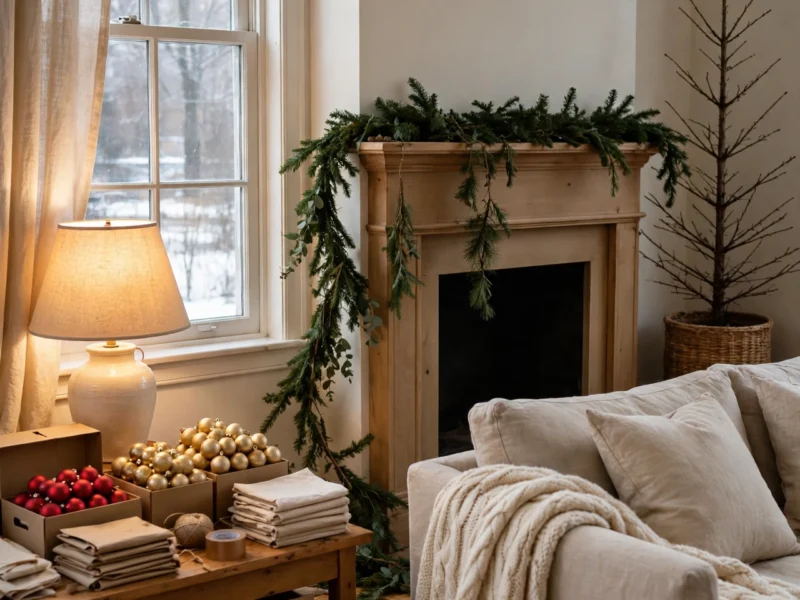
Fresh flowers and herbs are the heart of cottagecore, but the grown-up version does not need a florist’s budget or a greenhouse. A jam jar of rosemary on the windowsill. A bunch of eucalyptus in a jug by the sink. A small potted geranium that you actually water. The point is living green, not a perfect arrangement.
Herbs do double work. Basil, mint, and rosemary smell good, look good, and end up in dinner. Keep them in plain terracotta pots or old enamel jugs rather than matching planters. A row of herbs on a kitchen windowsill is one of the cheapest cottagecore moves there is, and it changes the room every time you brush past it.
Dried flowers earn their place too. A bunch of lavender tied with string and hung by the door, a small vase of dried grasses on a shelf. They last for months, they smell faintly of summer, and they suit the grown-up version because they ask for nothing. Fresh flowers are for the table when friends come over. Dried ones are for every day.
Placement: herbs on the kitchen windowsill, one vase of fresh flowers on the dining table, dried lavender by the door. Colour: green against warm wood and cream walls. Swap: swap a plastic plant for a real potted herb and the room gains a smell as well as a look.
5. Choose One Floral and Let It Shine
 Save
Floral prints are cottagecore’s signature, and also its biggest risk. Too many florals and the room looks like a gift shop. The grown-up move is to pick one floral you truly love and give it a proper stage, then let everything else stay plain.
That stage could be curtains in a small ditsy print, a single armchair re-covered in a larger rose pattern, or a set of cushion covers in a faded vintage floral. One bold floral moment per room is plenty. Pair it with plain linen, plain wood, and plain walls so it reads as a choice, not an accident.
Scale matters more than colour. Small ditsy prints feel calm and old-fashioned. Large blowsy roses feel dramatic and romantic. Either works, but they do not work together in the same room. Pick your scale and stick with it, the way a good garden sticks to one kind of planting.
| Floral scale | Feel | Give it the stage on |
|---|---|---|
| Small ditsy print | Calm, old-fashioned | Curtains, cushion covers |
| Medium vintage floral | Soft, faded, familiar | Cushion covers, a throw |
| Large blowsy roses | Dramatic, romantic | One re-covered armchair |
If you love florals but your partner does not, start small. A floral cushion, a floral tea towel, a floral lampshade. One piece is a hint. Three pieces is a statement. You can always add more, but taking a room back from floral overload is a weekend of work nobody wants.
Test it first: before you commit a floral to curtains or a re-covered chair, live with one cushion in that print for a full week. Put it where you sit every evening and notice it in daylight and lamplight. If you still like it on day seven and it sits calmly with your plain linen, scale it up to curtains. If it starts to fight the room, keep the cushion as your one floral hint and leave it there.
Colour: one floral in your palette, everything else plain. Texture: cotton or linen print, never shiny satin. Swap: trade four competing floral cushions for one good floral and three plain ones.
6. Display the Things You Actually Use
 Save
Cottagecore loves a display, but the grown-up version displays things with a job. Copper pans hanging on a kitchen rail. A stack of well-thumbed cookbooks on a shelf. Mugs on open hooks instead of hidden in a cupboard. When the things on show are the things you reach for every day, the room feels honest instead of staged.
Open shelving works when it is edited. A dresser with six beautiful plates, three bowls, and a jug looks like a home. The same dresser crammed with twenty mismatched items looks like a shop clearance. Leave breathing room between objects. Empty space is part of the display.
The same thinking applies beyond the kitchen. A basket of wool by the armchair if you knit. A tray of seed packets and twine if you garden. A shelf of favourite books, spines facing out, with one small vase between them. These are not decorations bought to fill a shelf. They are evidence of a life being lived, and that is the whole point of the style. For more on styling shelves that feel collected rather than cluttered, see our guide to woodland fall decor and its calm, nature-led approach to display.
Placement: one open shelf or rail per room, edited to six or seven objects. Colour: let the objects bring the colour, keep the shelf plain wood. Swap: move the prettiest everyday items out of cupboards and onto display, then put the ugly-but-useful things away.
7. Light It Like a Candlelit Evening
 Save
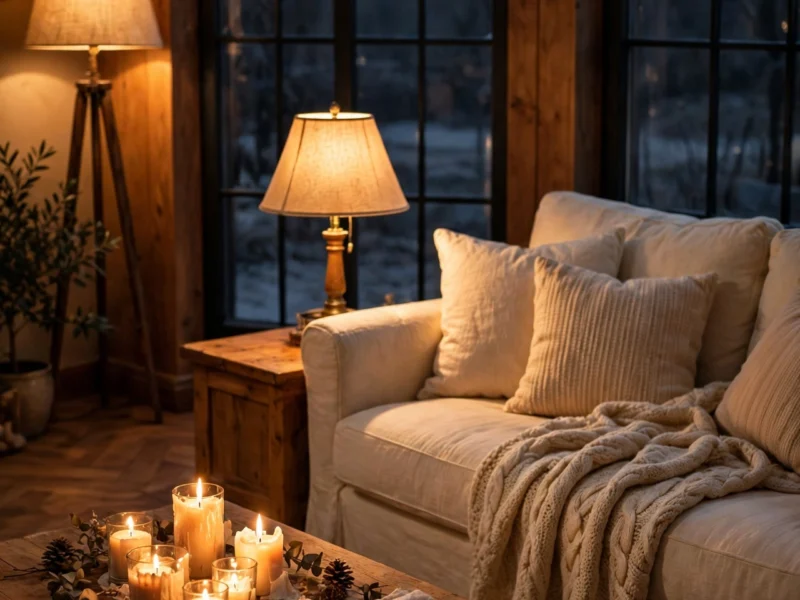
Cottagecore lighting is warm, low, and layered. One bright ceiling light kills the mood faster than anything else in the room. The grown-up version uses three small lights instead of one big one: a table lamp by the sofa, a floor lamp in the corner, a candle or two on the mantel. Each one pools light where people actually sit.
Warm bulbs matter more than fancy fittings. Look for bulbs around 2700K, the colour of late evening, and avoid anything labelled daylight or cool white. A cheap lamp with a warm bulb beats an expensive lamp with a cold one every time. Fabric or paper shades soften the light further and suit the style better than glass or metal.
| Light | Height | Job |
|---|---|---|
| Table lamp | Seated eye level | Pools light where you sit |
| Floor lamp | Corner, standing height | Fills the dark corner |
| Candles | Low, mantel or table | Finishing glow in the evening |
Candles are the finishing touch, but keep them honest. A couple of plain beeswax tapers in a brass holder, or a jar candle on the dining table. No fake flames, no scented candles that smell like a chemical version of a garden. Real flame, real wax, used on real evenings. If you have small children or pets, a lantern with a glass door gives the same glow safely.
Placement: light at three heights, seated eye level, table level, and low on the mantel or shelf. Colour: warm amber light, never white. Swap: replace the brightest ceiling bulb with a dimmer one and add a table lamp beside your reading chair.
8. Add the Imperfect Details That Make It Yours
 Save
The final layer is the one no shop can sell you: the imperfect details that prove a home is lived in. A handmade mug with a slightly wonky handle. A quilt stitched by a relative. A framed photo that is a little faded. A basket that holds the dog’s toys. These are the things that separate a cottagecore room from a cottagecore photoshoot.
This is also where restraint pays off again. One or two personal pieces per room is enough. A whole shelf of keepsakes becomes clutter, and clutter is the enemy of calm. Choose the pieces that make you smile when you catch sight of them, and give the rest a home in a drawer or a box.
Storytelling is the heart of grown-up cottagecore. The style works because it suggests a life, not because it follows a rulebook. A room that tells your story, with your books, your grandmother’s vase, your favourite mug, will always feel warmer than a room that follows a trend board perfectly. That is why the trend has lasted: underneath the florals and the linen, it is really about making a home that feels like yours.
Texture: handmade ceramics, stitched fabric, worn leather, anything with a maker’s mark. Colour: let personal pieces bring their own colour, the palette can bend for them. Swap: swap one shop-bought ornament for something handmade or inherited and the room gains a story.
Your takeaway: three warm colours, one old wooden piece, three textures, one floral, and low warm light. Hold that line and the room stays grown-up, not costume.
Bringing It All Together
Grown-up cottagecore is not a shopping list. It is a way of choosing: warm over cool, old over new, layered over flat, real over perfect. Start with the palette, let one old wooden piece anchor the room, layer your textiles, bring in something green, pick one floral, display what you use, light it low, and finish with the imperfect details that are yours alone.
You do not need to do all eight ideas this weekend. Pick the one that fixes the thing that bothers you most about your room right now. A cold-feeling living room needs warmer light and softer textiles. A flat-feeling bedroom needs layered bedding and one good floral. Small changes, made with intention, add up to a home that feels like a deep breath at the end of a long day.
For more ideas on building that warm, layered feeling through the seasons, our cosy home checklist walks through twenty affordable comforts that pair naturally with this style, and if you want to deepen the colour story, our guide to chocolate brown and terracotta decor shows how earthy tones ground a soft palette.
Frequently Asked Questions
What is grown-up cottagecore?
Grown-up cottagecore is the softer, edited version of the cottagecore trend. It keeps the warmth, florals, natural materials, and nostalgia, but drops the costume feel. Think one floral instead of five, real old wood instead of fake distressed finishes, and rooms you can actually live in.
How is cottagecore different from farmhouse style?
Farmhouse leans rustic and neutral, with lots of white, black metal, and barn-inspired pieces. Cottagecore is softer and more romantic, with florals, layered textiles, and a garden feel. The two share natural materials and old wood, but cottagecore is warmer and more decorative.
Can cottagecore work in a small flat?
Yes, and it often works better there. Small rooms suit the layered, cosy feel of the style. Stick to one floral, keep the palette to three colours, and let one old wooden piece anchor each room. Avoid overfilling shelves, since clutter shrinks a small room fast.
What colours work best for grown-up cottagecore?
Warm, muted colours work best: sage green, mushroom, dusty rose, oat, and honey brown on a base of warm white. Avoid bright white, cool grey, and anything neon. If a colour looks like it belongs in a garden at dusk, it probably belongs in the room.
Where should I start if I am on a budget?
Start with textiles and light. A washed linen throw, a warm bulb in a lamp you already own, and a bunch of herbs on the windowsill can change a room for very little money. Charity shops are the best source for old wood and handmade ceramics, so check those before buying anything new. For ideas on warming up walls on a budget, our guide to limewash walls covers a textured paint finish that suits this style beautifully.
1 thought