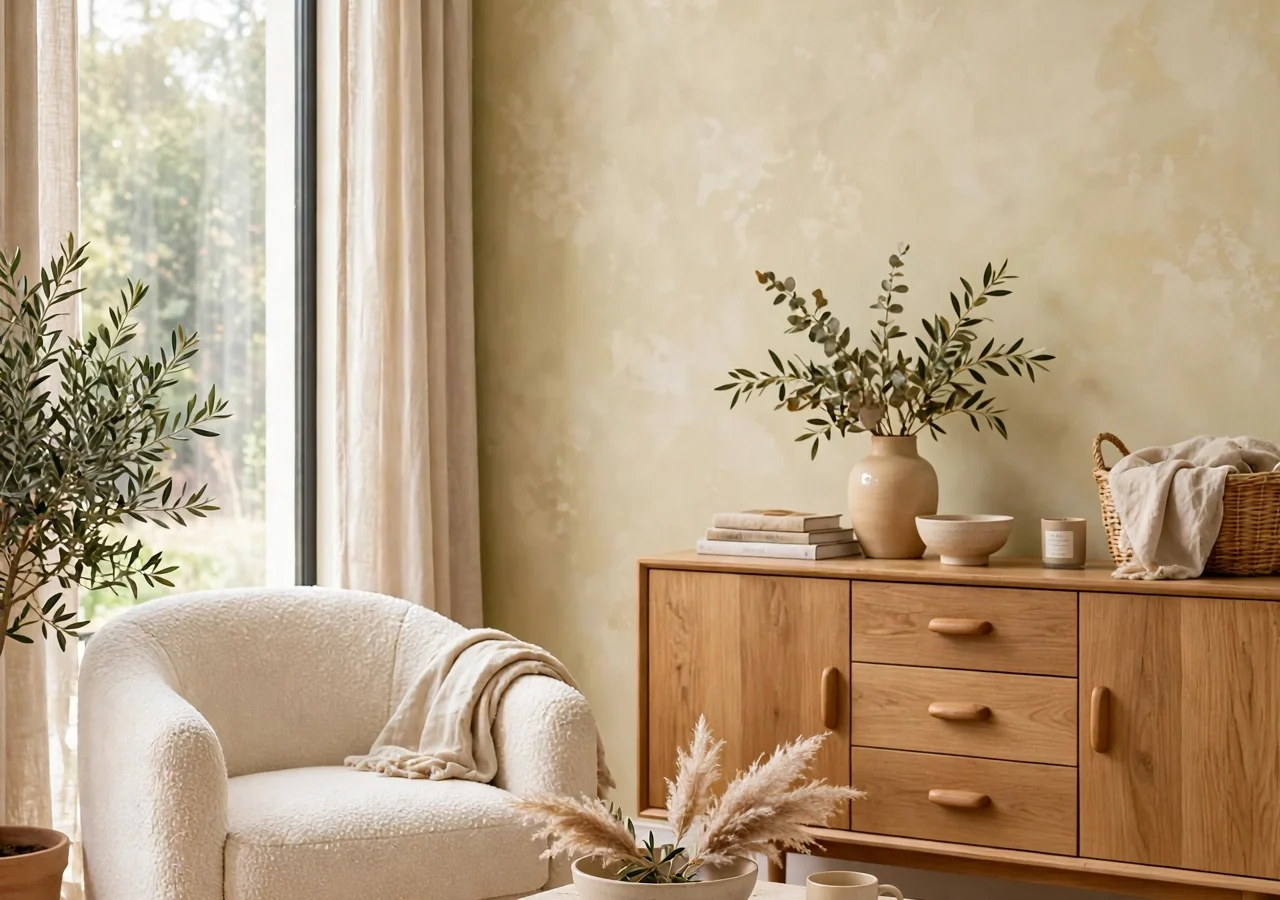
You’ve seen it in every beautiful interior on your feed lately: walls that look soft and cloudy, with depth that shifts as the light moves. Not flat paint, not wallpaper, not plaster. Just something richer, like the wall itself is breathing. That effect is limewash, and it has become the wall treatment of 2026.
Most of us learned walls the flat way. One coat of eggshell, done. But flat paint bounces light back at you all at once, and in a room that gets a lot of daylight it can feel a bit lifeless. Limewash does the opposite. It absorbs and diffuses light, so the surface looks different at breakfast and different again at dusk. Once you notice it, you start seeing it everywhere.
This guide covers everything you need to know: what limewash walls actually are, why designers keep specifying them, how to pick the right colour, which rooms suit the finish best, how to style a room around it, and what to know before you buy the first can.
What Limewash Actually Is
 Save
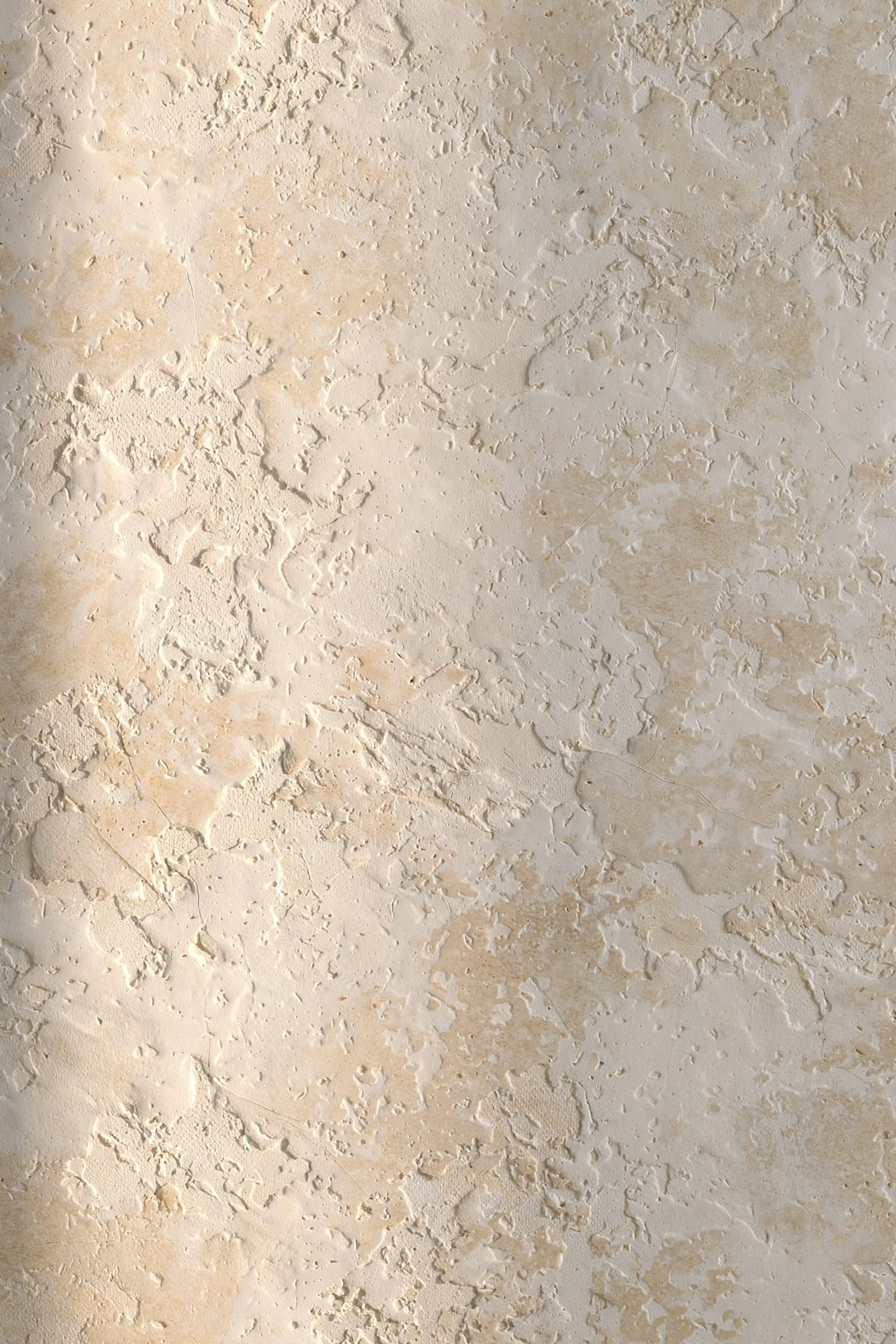
Limewash starts life as crushed limestone that has been heated and mixed with water, which produces a mineral paint made mostly of calcium carbonate. People have been painting with it for centuries: on stone cottages, on old farmhouses, on Mediterranean walls that needed to breathe. The modern version you buy in a can is the same basic chemistry, refined so it applies more evenly and comes in a wider palette.
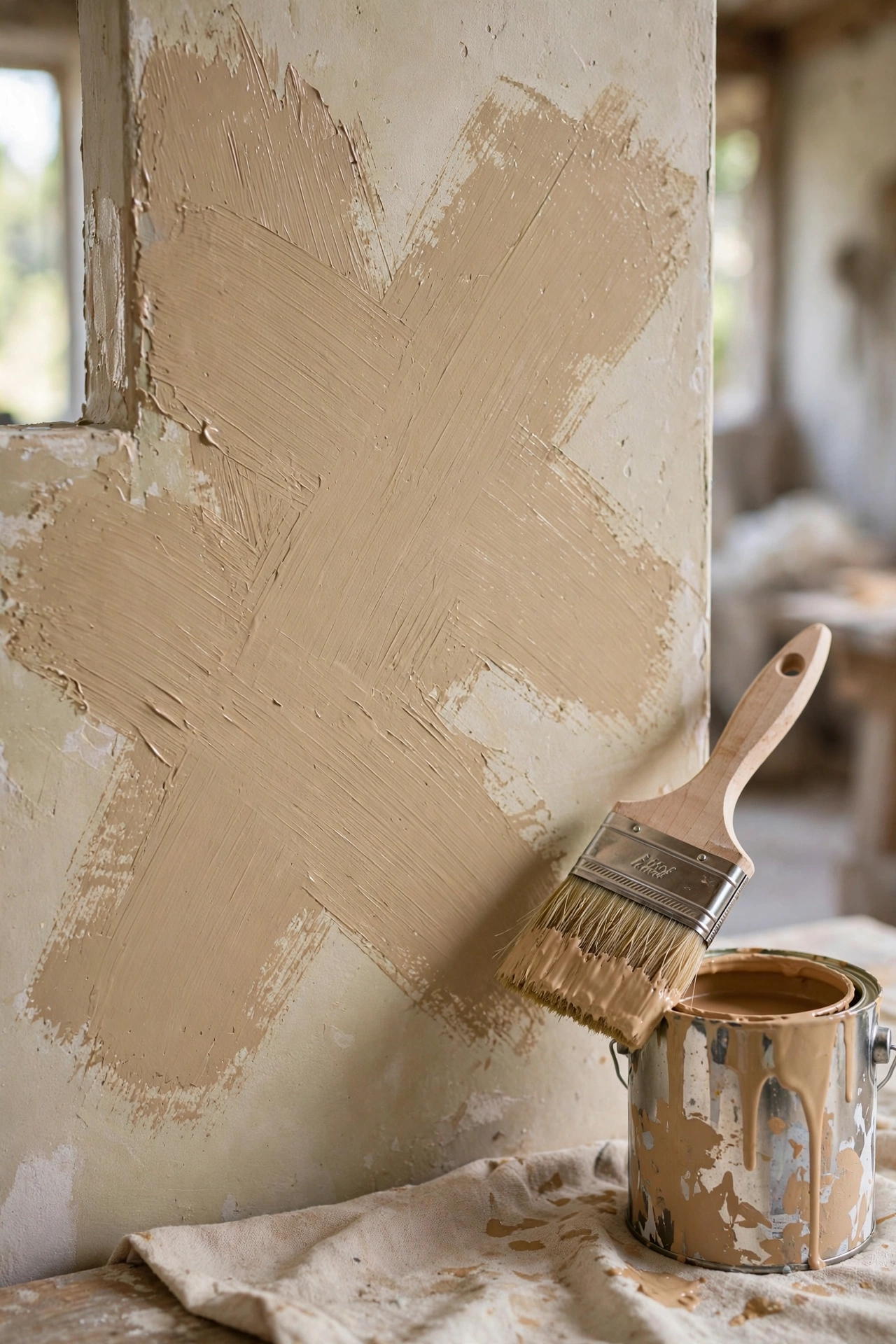
What makes it different from regular paint is how it sits on the wall. Conventional paint forms a plastic film over the surface. Limewash does not form a film at all. It bonds with the plaster or masonry beneath it and sinks in, which leaves a matte, slightly powdery finish with natural variation in tone. Brush marks are not a flaw here; they are the whole point. The classic technique uses big, loose criss-cross strokes that create the cloudy, mottled look the trend is famous for.
That variation is the reason limewash walls photograph so well and feel so good in person. A flat wall shows every imperfection in the light. A limewash wall disguises them. Slight unevenness in the plaster, a patched spot, an old crack that was filled last year: all of it gets absorbed into the texture. If your walls are not perfectly smooth, that is genuinely good news.
Designer note: order a sample pot first and paint a proper test patch, at least a square metre, with two coats. Limewash dries noticeably lighter and flatter than it looks wet, and the mottled effect only shows at scale. A tiny swatch tells you almost nothing.
Why Limewash Walls Took Over in 2026
 Save
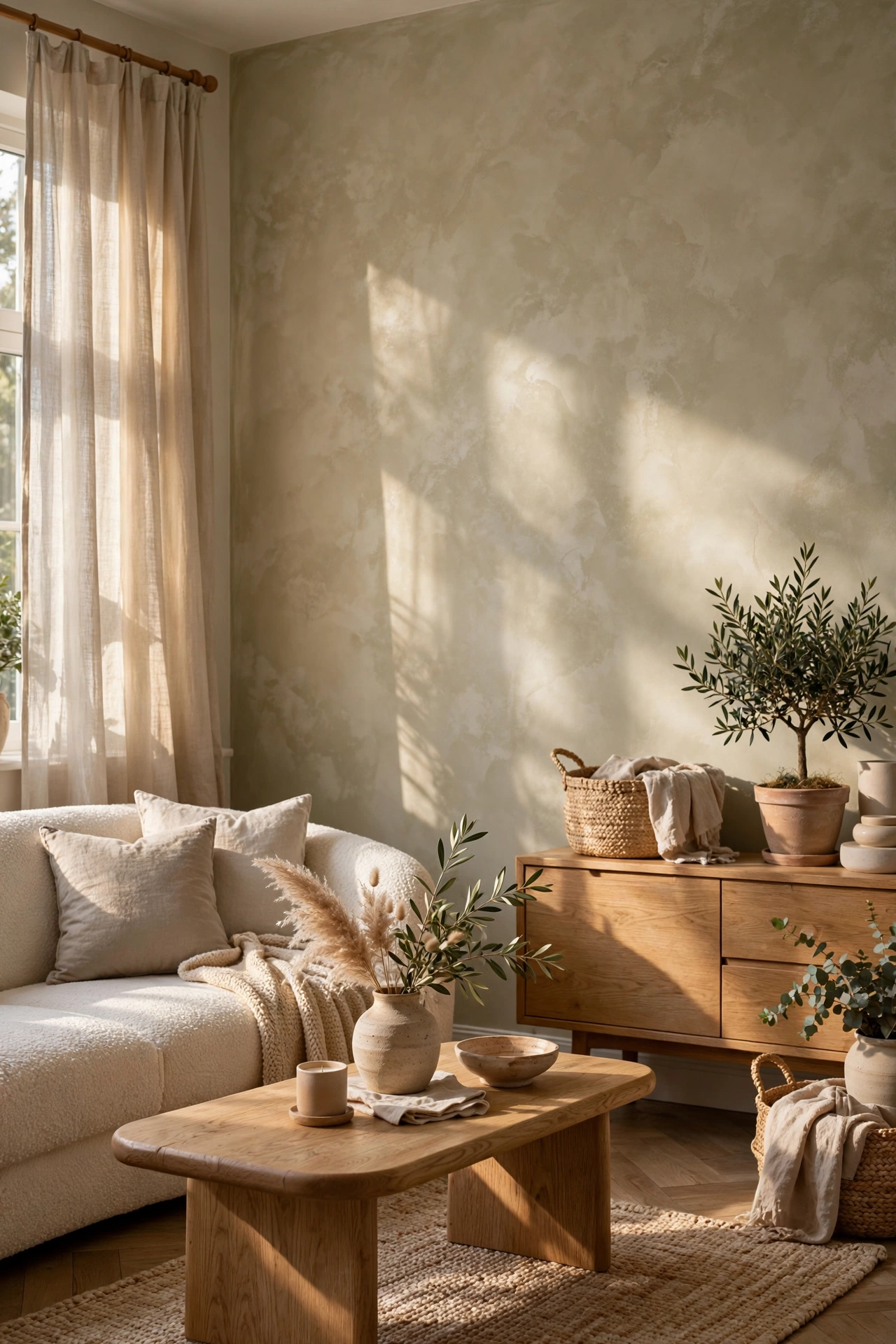
Paint trends run in cycles, and we were due for texture. For years the dominant wall look was either flat, high-pigment colour or busy patterned wallpaper. Both are decisive looks. Limewash sits in a sweet spot between them: it gives a wall presence without locking you into a pattern you might tire of by next spring.
It also answers the texture craving that is running through 2026 interiors. Boucle, travertine, rattan, fluted panelling: the year is all about surfaces you want to touch. A limewash wall adds that tactile quality at the largest scale a room has. In a minimalist room it keeps things from feeling sterile. In a traditional room it softens hard edges and makes everything look more settled, as if the house has good bones.
There is a practical side too. Limewash is naturally breathable and high in pH, which makes it inhospitable to mould, and the mineral content means it ages gracefully rather than chipping or peeling. Designers also reach for it because it photographs beautifully, and in a year when most of us discover interiors on a phone screen, that matters more than it should. But strip away the trend cycle and the appeal is simple: it makes a room feel calm, layered, and expensive, often for the cost of a few cans of paint and a weekend.
Choosing Your Limewash Colour
 Save
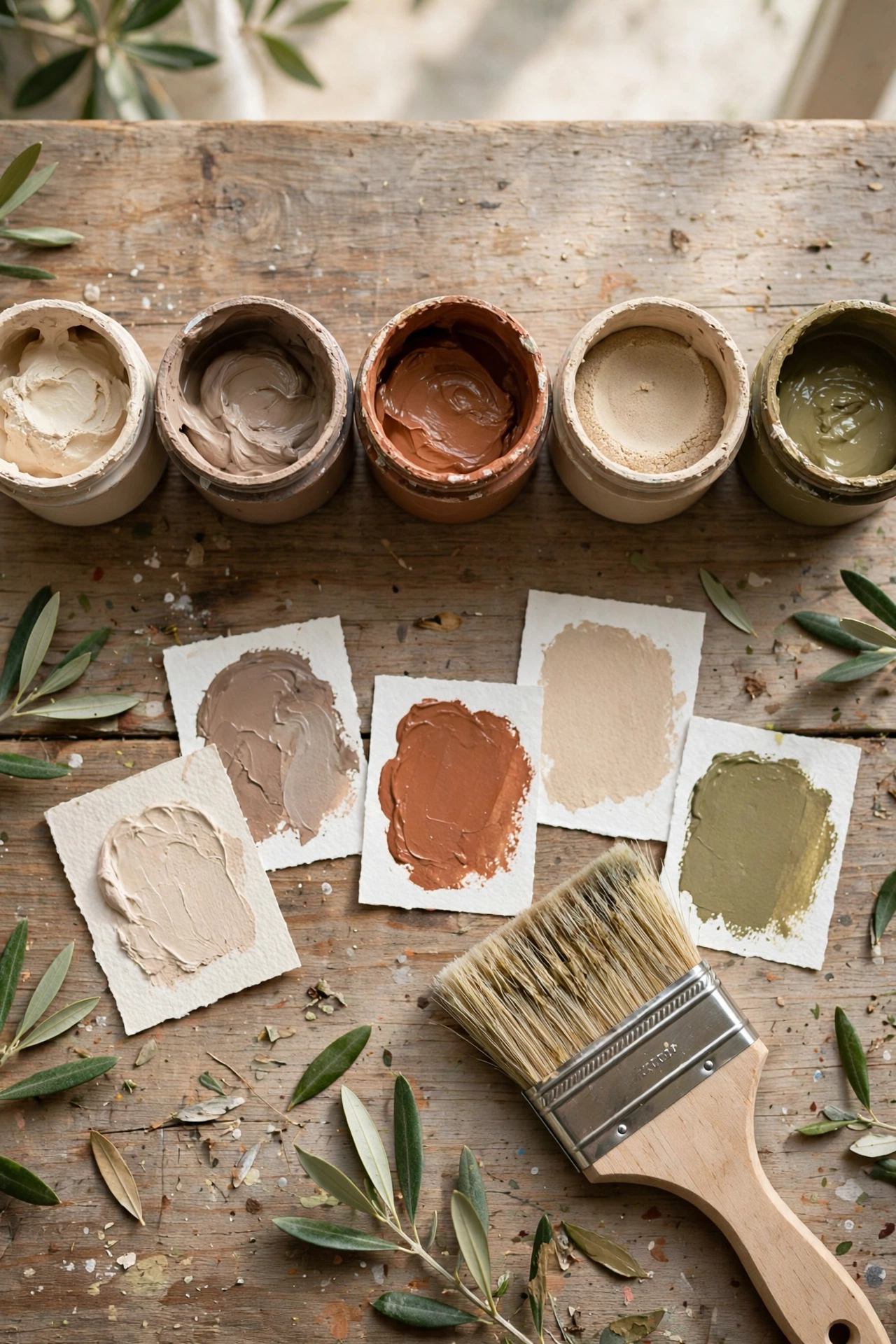
The colour you choose sets the whole mood, and limewash behaves a little differently from regular paint because the mineral base mutes everything slightly. Bright colours calm down. Whites pick up warmth. It is worth choosing with the finish in mind rather than picking the shade you would choose in eggshell and hoping for the best.
Warm whites are the safest entry point and still the most popular. They read as soft plaster rather than builder white, and they work in almost any light. If your room faces north and tends to look grey, a warm white with a hint of chalk or bone will keep it from going cold. South-facing rooms can take something cooler without it feeling chilly.
Earthy neutrals are where the trend really shines. Think putty, mushroom, clay, sand, and warm stone tones. These shades give you the depth of a coloured wall while staying neutral enough to live with for years. They pair beautifully with wood, linen, and stone, which is probably why they dominate the most-saved rooms online. If you want one accent wall in limewash and the rest of the room in a regular flat paint, pull your flat colour from the lightest tone in the limewash so the two read as family.
Deeper shades deserve a mention. Olive, ochre, terracotta, ink blue, and charcoal all look remarkable in limewash because the mineral finish takes the edge off the saturation. A dark limewash wall reads as velvety rather than heavy, which makes it a smart choice for bedrooms and dining rooms where you want atmosphere without gloom. If you lean toward this moodier end of the palette, our dark romantic interiors guide shows how to carry the look through the rest of the room. In a small room, keep the ceiling light and let the walls carry the colour.
Styling tip: check your shortlisted colours at three times of day before committing. Limewash shifts more than flat paint does, especially the mid-tones, and the shade you love at noon can look muddy by lamplight. Tape up painted paper sheets and live with them for two days.
| Colour family | Best light | Pairs with | Watch out for |
|---|---|---|---|
| Warm white (bone, chalk, linen) | North-facing, low light | Everything; the default safe choice | Can look yellow in very warm evening light |
| Earthy neutral (putty, mushroom, clay) | Any; strongest in daylight | Oak, walnut, linen, travertine | Undertones vary by brand; test properly |
| Deep (olive, ochre, ink, charcoal) | South-facing, bright rooms | Brass, velvet, dark timber | Needs a light ceiling to stay balanced |
| Soft colour (sage, dusty blue, blush) | Any | Works as a gentle statement wall | The mineral base mutes pigment; choose a shade deeper than you think |
Where Limewash Walls Work Best
 Save
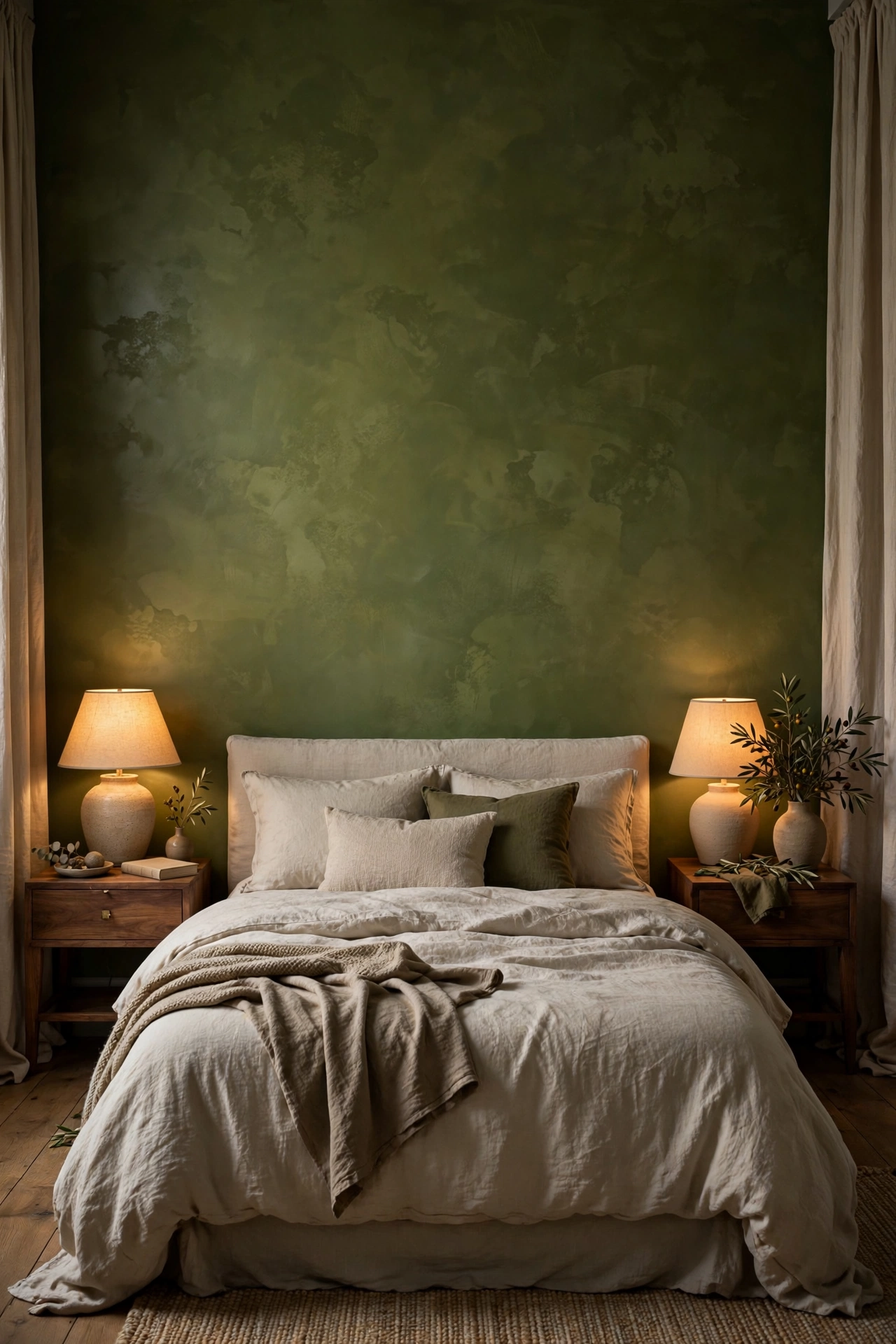
Limewash suits the walls of most rooms, but a few spots make the finish sing. Bedrooms are the obvious first candidate. The soft, light-diffusing surface is naturally calming, and the texture adds interest behind a bed without competing with bedding or art. A deep tone behind the headboard with the remaining walls in a coordinating pale shade is one of the most reliable formulas in the whole trend.
Living rooms come next. If yours has good daylight, the shifting tones will keep the room interesting all day. Limewash also softens the hardest surfaces in a living room: big windows, a large television, chunky radiators. Everything sits more comfortably against a textured wall. Fireplace walls are a favourite application, and the mineral paint handles the gentle heat of a fireplace breast without complaint. If you have been reading about cosy fireplace styling, a limewash chimney breast underneath the mantel is a beautiful upgrade.
Entryways and hallways benefit enormously, especially narrow ones with limited light. Flat paint in a dark hallway shows every scuff and looks flat in the worst sense. Limewash disguises marks and adds depth where there is no room for furniture to do it. Dining rooms love it too, particularly in evening light when the texture catches candle and lamp glow.
Bathrooms need a caveat. Limewash is breathable and naturally resists mould, which sounds ideal, but a standard interior limewash is not rated for direct water contact. It works on bathroom walls that stay dry, and some brands make bathroom-specific formulations with added water resistance. Inside a shower enclosure or right behind a basin, use a proper wet-room product instead.
Budget swap: if a full room feels like a lot, limewash a single wall. One statement wall gives you 80 percent of the look for a fraction of the paint, and it is the easiest possible trial run before you commit to more.
Styling Around a Limewash Wall
 Save
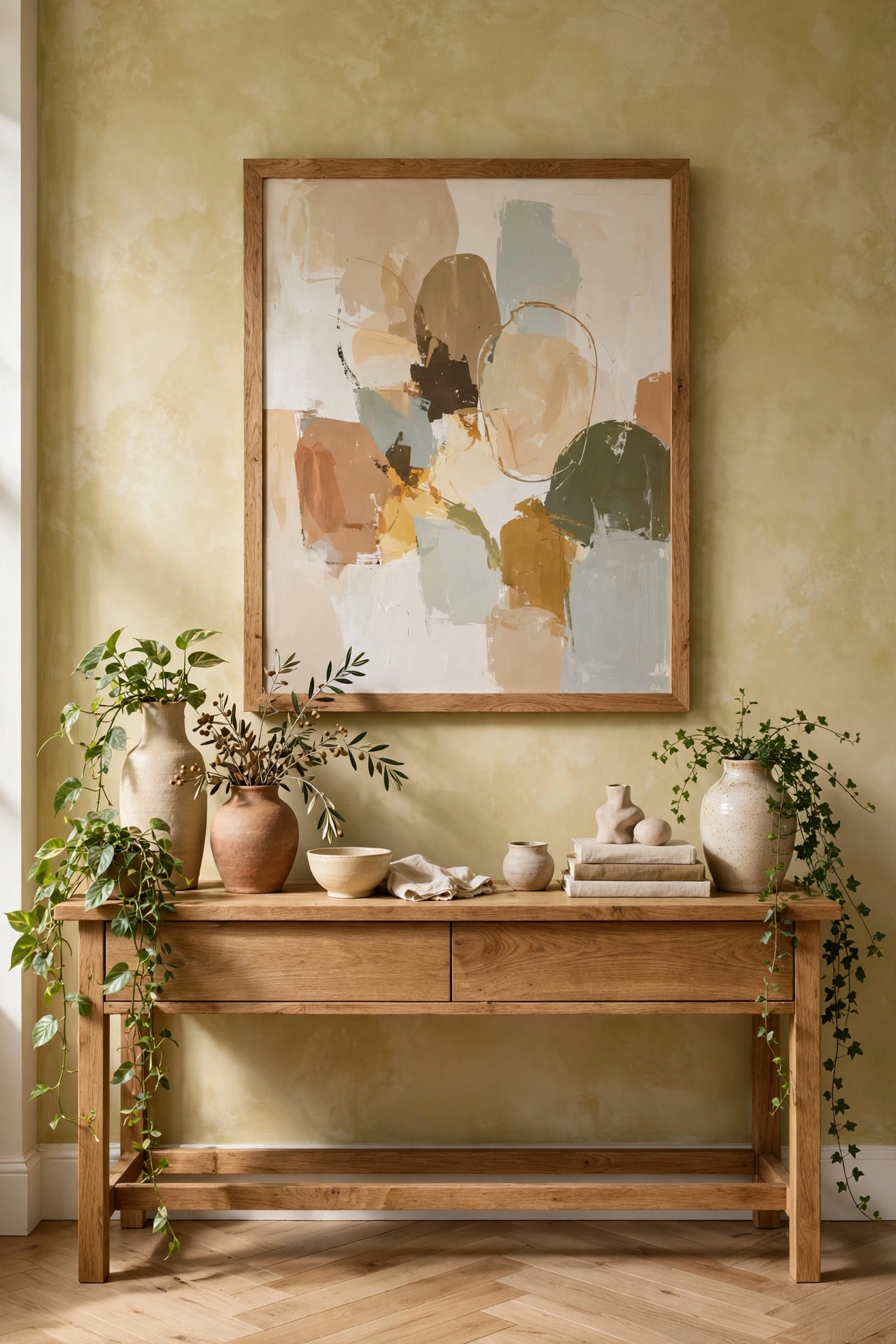
A limewash wall is a quiet backdrop with a lot of presence, and the styling rule is simple: let the wall do the textural talking, and keep everything else honest. Natural materials are the natural partners. Oak and walnut furniture, linen curtains and upholstery, wool rugs, stone and travertine accents, woven baskets, and rattan all sit beautifully against the cloudy surface. The wall already supplies the texture, so furniture with clean lines and real materiality reads best.
Art hangs particularly well on limewash. The matte, non-reflective surface means no glare, and frames cast soft shadows that look intentional. Large-scale pieces work because the wall has enough character to hold its own; a gallery wall works because the texture ties disparate frames together. If you are styling shelves or a mantel against a limewash wall, mix heights and let a few objects breathe. The wall forgives negative space, so you do not need to fill every inch.
Lighting matters more than people expect. Wall washers and picture lights that graze the surface will exaggerate the mottling and make the texture the star of the evening. Overhead spots aimed straight at the wall can flatten it, so angle them toward the middle of the room instead. In bedrooms, bedside lamps with fabric shades throw the kind of warm, diffuse light that limewash was made for. If your room has a statement ceiling, the two textures can coexist, but keep one of them quieter so they are not competing.
For textiles, lean into the same softness: washed linen bedding, a chunky wool throw, a flatweave or low-pile rug rather than anything too glossy. Metallics are welcome in small doses. Aged brass, bronze, and blackened steel all look right against limewash; chrome and high-polish nickel can feel a little slick against such an earthy surface. Houseplants are an easy win too, since the organic shapes echo the wall’s natural feel, and a big leafy plant in front of a pale limewash wall is one of those combinations that never misses.
Try this: style one vignette first, a console or sideboard against the new wall, before you redo the whole room. Seeing your actual furniture against the actual finish tells you more than any mood board about what to keep, move, or replace.
What to Know Before You Commit
 Save
Limewash is forgiving to apply, but a few facts save disappointment. First, the wall underneath matters. Limewash bonds best with porous surfaces: bare plaster, previously limewashed walls, and masonry. Over existing acrylic or oil paint, it can struggle to grip, and most brands recommend a mineral primer first. Over wallpaper or gloss, do not attempt it; strip back to a sound surface or prime as the manufacturer directs.
Second, expect two to three coats. The first coat looks alarming: streaky, patchy, thin in places. This is normal. The coverage builds with each pass, and the mottled effect only develops once the second coat goes on with the criss-cross technique. Work in manageable sections, keep a wet edge within each section, and do not go back over drying areas, which is the most common beginner mistake.
Third, limewash is not wipeable the way acrylic paint is. The matte, mineral surface will mark if scrubbed, and stains in a kitchen or hallway need touching up rather than washing. Most brands sell the paint in the same colours for years, and a touch-up blends invisibly because of the mottled finish, so keep a sealed pot labelled with the colour and date. In high-traffic zones, some painters apply a breathable mineral sealer, though this slightly changes the chalky look, so test it on your sample board first.
The comparison below puts limewash alongside the finishes people most often confuse it with, because they are not interchangeable.
| Finish | Look | Effort | Best for |
|---|---|---|---|
| Limewash | Cloudy, mottled, matte | Medium; technique matters | Texture lovers, imperfect walls |
| Chalk paint (walls) | Flat matte, even | Low; familiar to use | A matte look without the mottling |
| Lime plaster | Trowelled, stone-like | High; usually professional | A luxury, seamless stone effect |
| Flat emulsion | Smooth, uniform | Low | Renters, wipeable walls, quick refreshes |
Designer note: never buy the cheapest unbranded limewash to save money. The pigment load and consistency vary wildly between manufacturers, and a bad batch applies unevenly no matter how good your technique is. Buy from an established mineral-paint maker and use their primer if they sell one.
Bringing It All Together
Limewash walls earned their place in 2026 interiors the honest way: the finish genuinely flatters rooms in a way flat paint cannot, it hides the imperfections most of us live with, and it asks for nothing more than good colour judgment and a free weekend. Start with a sample pot and a proper test patch, pick your colour at three times of day, and style the room around natural materials that let the texture speak.
Whether you go all-in on a deep olive bedroom or start small with one warm-white statement wall, you will end up with a surface that shifts with the light and makes everything in front of it look more considered. That is the whole trick of the trend, and it is why it will outlast the trend cycle.
Frequently Asked Questions
Is limewash the same as chalk paint?
No. Chalk paint dries to a flat, even matte finish, while limewash dries with a cloudy, mottled texture and subtle tonal variation. They share a matte look, but the application, chemistry, and final effect are different.
Can I apply limewash over existing painted walls?
Usually yes, but only with the right preparation. Limewash grips porous surfaces best, so over acrylic or oil paint you will need a mineral primer from the same brand. Always check the manufacturer’s guidance for your specific wall.
How long does a limewash finish last?
On interior walls that stay dry, a limewash finish lasts for many years. It does not peel or chip like conventional paint; it simply wears very gradually. Touch-ups blend invisibly, which is one of its practical advantages.
Is limewash suitable for kitchens?
It works on kitchen walls that do not get splashed, but it is not wipeable, so keep it away from the cooker and sink splash zones. For those areas, use a washable paint or tiles, and keep the limewash to the walls that stay clean.
Does limewash work in small rooms?
Yes, and often better than flat paint. The tonal variation adds depth that can make a small room feel less boxy, especially in pale or mid-tone shades. In a very small room, keep the ceiling light and choose a colour on the paler side.

1 thought