Thanksgiving tables have a familiar problem. You pull out the orange pumpkins, the rust-coloured napkins, the same plaid runner from last year, and somehow the whole thing still looks like a craft-store display instead of a dinner you actually want to sit down to. Everything matches, yet nothing feels warm.
The deeper frustration is that most Thanksgiving styling advice pushes you toward buying a whole new matching set every November. A new tablecloth, new chargers, new napkin rings, all in one narrow shade of autumn. It costs a small fortune, it looks stiff for about ten minutes, and by the time the gravy boat comes out, the table looks like every other table on your feed.
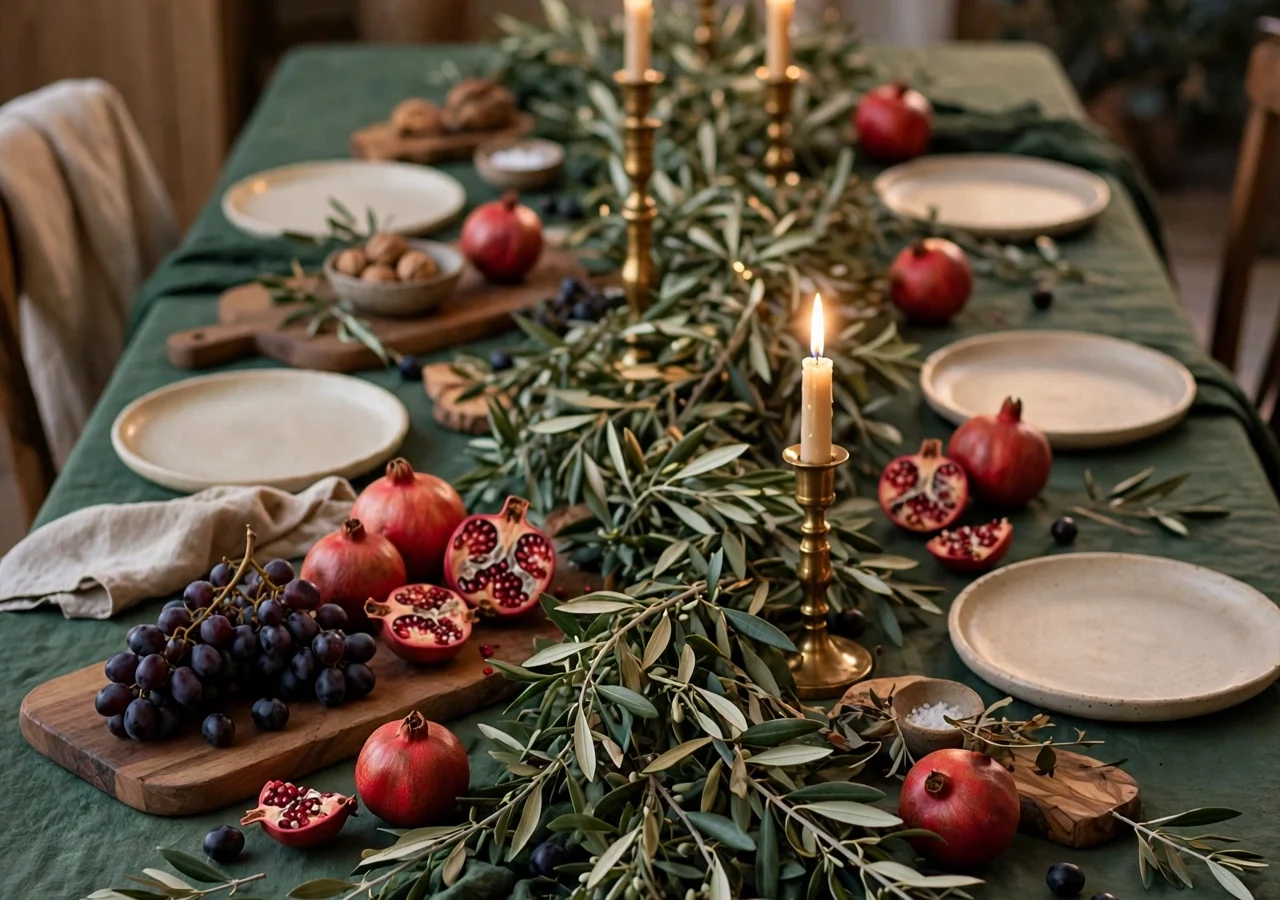
There is a calmer way, and it starts with a grounded greens Thanksgiving palette: deep forest green, soft olive, and warm brass, layered over natural wood. Green is the colour your table already wants. It sits quietly behind the food, it makes candlelight look richer, and it never shouts. Here are eight ideas for building that look with pieces you probably already own, plus a few small buys that earn their place year after year.
Start With a Forest-Green Linen Base
 Save
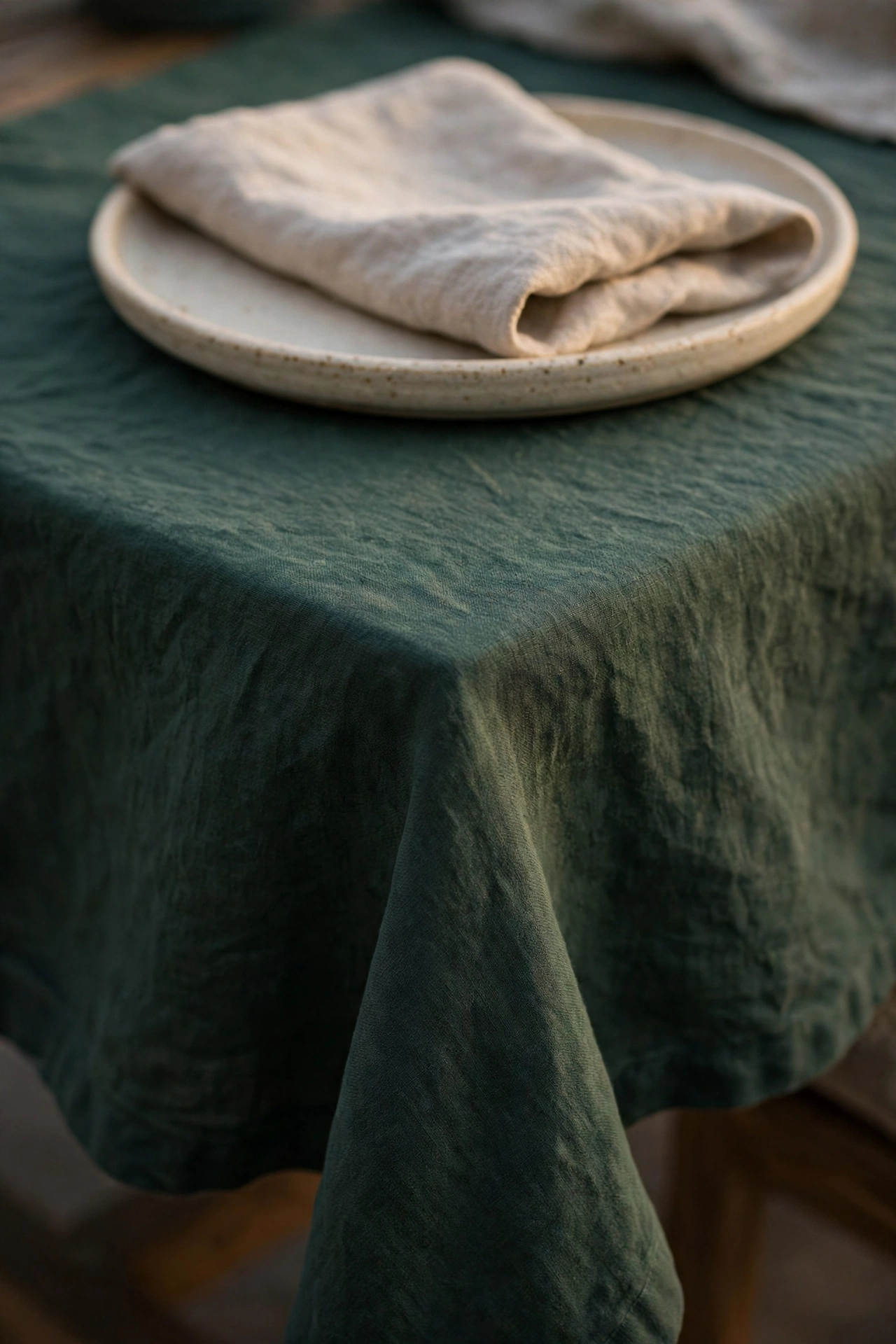
A tablecloth sets the mood before a single plate goes down, and forest green is the most forgiving base colour a Thanksgiving table can have. It hides a splash of cranberry sauce better than white ever will, it flatters both wood and brass, and it reads as instantly seasonal without a single pumpkin in sight. If you own a plain dark green cloth, you already own the hardest part of this look.
If buying new, choose linen or a linen-look cotton rather than satin or polyester. Matte fabric keeps the palette grounded, while anything shiny tips the table toward formal and cold. A washed, slightly wrinkled linen reads as lived-in and welcoming, which is exactly the tone you want when twelve people are about to crowd around it. For a long table, let the cloth fall six to eight inches over the edge; for a round table, a cloth that just brushes the seat cushions keeps chairs from catching fabric every time someone stands up.
No green tablecloth? A natural linen runner over a plain wood table works just as well, especially when the runner is wide, at least fourteen inches, so it reads as a deliberate layer rather than a stripe down the middle. Lay it slightly off-centre if your centrepiece is large, so the eye travels along the table instead of stopping at one crowded spot.
Styling tip: If your green cloth looks too dark under your dining room lights, layer a lighter runner on top. A raw oatmeal or sage runner lifts the whole table by one shade without breaking the palette.
For a table that has to seat a crowd, our earlier Thanksgiving table ideas cover layouts that keep a big group comfortable without losing the cosy feel.
Run Olive Branches Down the Centre
 Save
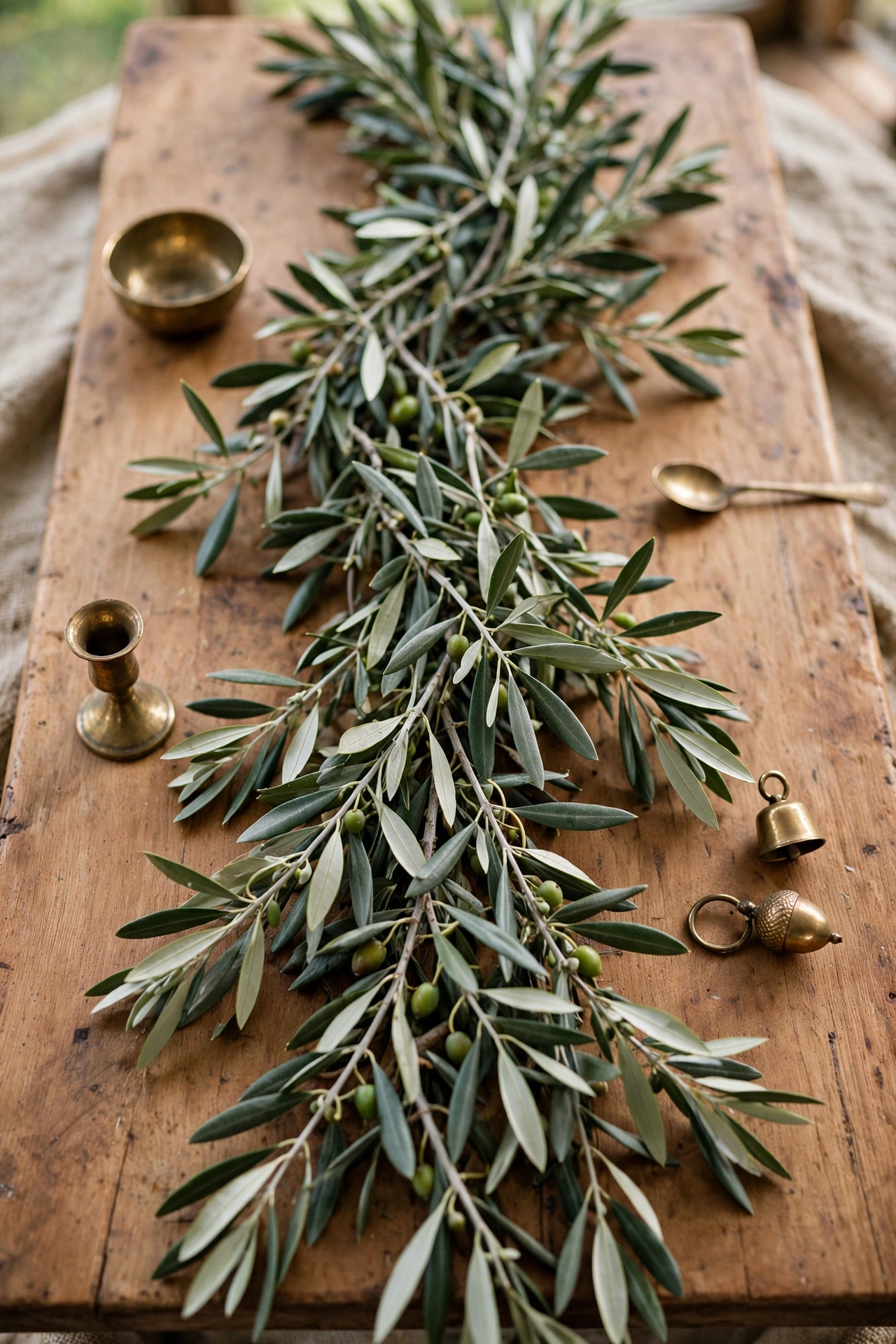
Nothing says grounded greens like actual greenery, and olive branches are the easiest centrepiece you will ever arrange. A few long stems laid flat along the centre of the table, overlapping slightly, give you a full garland effect with almost no effort. The silvery underside of olive leaves catches light beautifully, which is why florists reach for them when a table needs to look expensive without looking fussy.
Buy two or three bunches from a florist or grocery flower section, and trim the woody ends at an angle so the stems sit flat. Lay the longest stems first, then tuck shorter pieces into any gaps, turning some leaves face up and some face down for texture. You do not need floral foam, wire, or any arranging skill. If a stem looks bare at one end, hide that end under the next stem. The whole job takes ten minutes.
Fresh olive branches last about a week in cool indoor air, so buy them two or three days before Thanksgiving and keep them in a bucket of water until the morning of the meal. If fresh branches are hard to find where you live, good faux olive stems are a sensible buy, because you will reuse them for every dinner party through winter. Just bend each faux stem slightly before laying it down, since a perfectly straight stem is the giveaway that it is not real.
Budget swap: Eucalyptus costs less than olive in most shops and gives a similar silvery-green effect. Mix one bunch of eucalyptus into your olive branches and nobody at the table will know the difference.
Let Brass Carry the Warmth
 Save
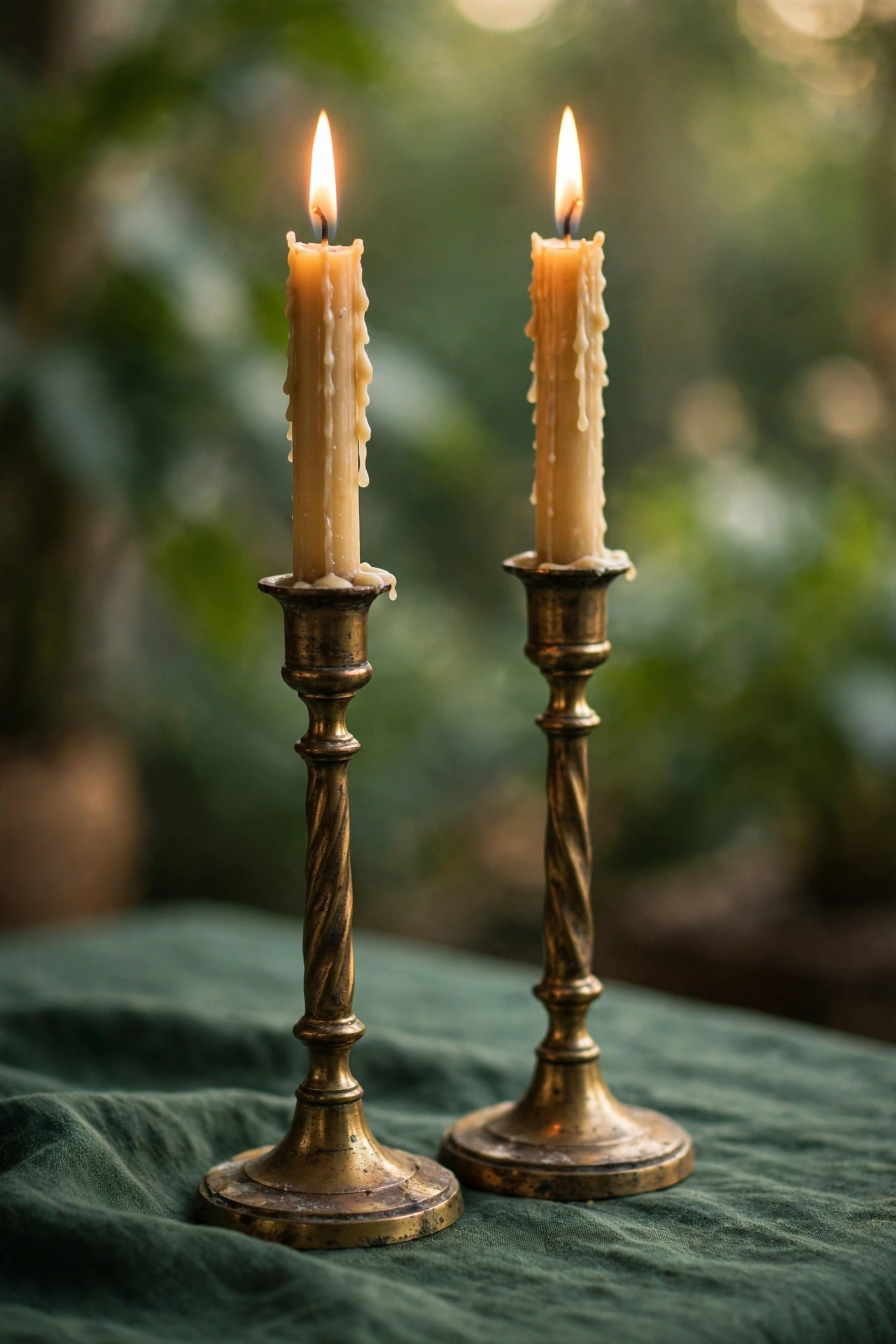
Green on its own can turn chilly, especially in a north-facing dining room. Brass is what warms it back up. A few brass candlesticks, a small brass tray under a vase, or brass flatware instantly adds the golden glow that makes the whole palette feel like November rather than March. The trick is restraint: three or four brass pieces spread along the table beat a full brass place setting, which can look like a hotel buffet.
Start with candlesticks, since they do double duty as decor and lighting. A pair of tall brass tapers at each end of the table frames the greenery and draws the eye down the length of it. If you own brass pieces in different finishes, some polished and some aged, use them together. Mixed finishes look collected over time, which suits this palette far better than a matching set straight from one box.
Small brass details matter too. Brass napkin rings, a brass-handled serving spoon, or a tiny brass dish for salt at each end of the table all catch candlelight in a way that flat gold spray paint never does. If your brass has gone dull, a quick polish with lemon and baking soda the week before brings back the shine without a special cleaner.
For more ways to use the metal through the house, these brass decor ideas show how warm metallics work beyond the dining room.
Mix Wood Tones Instead of Matching Them
 Save
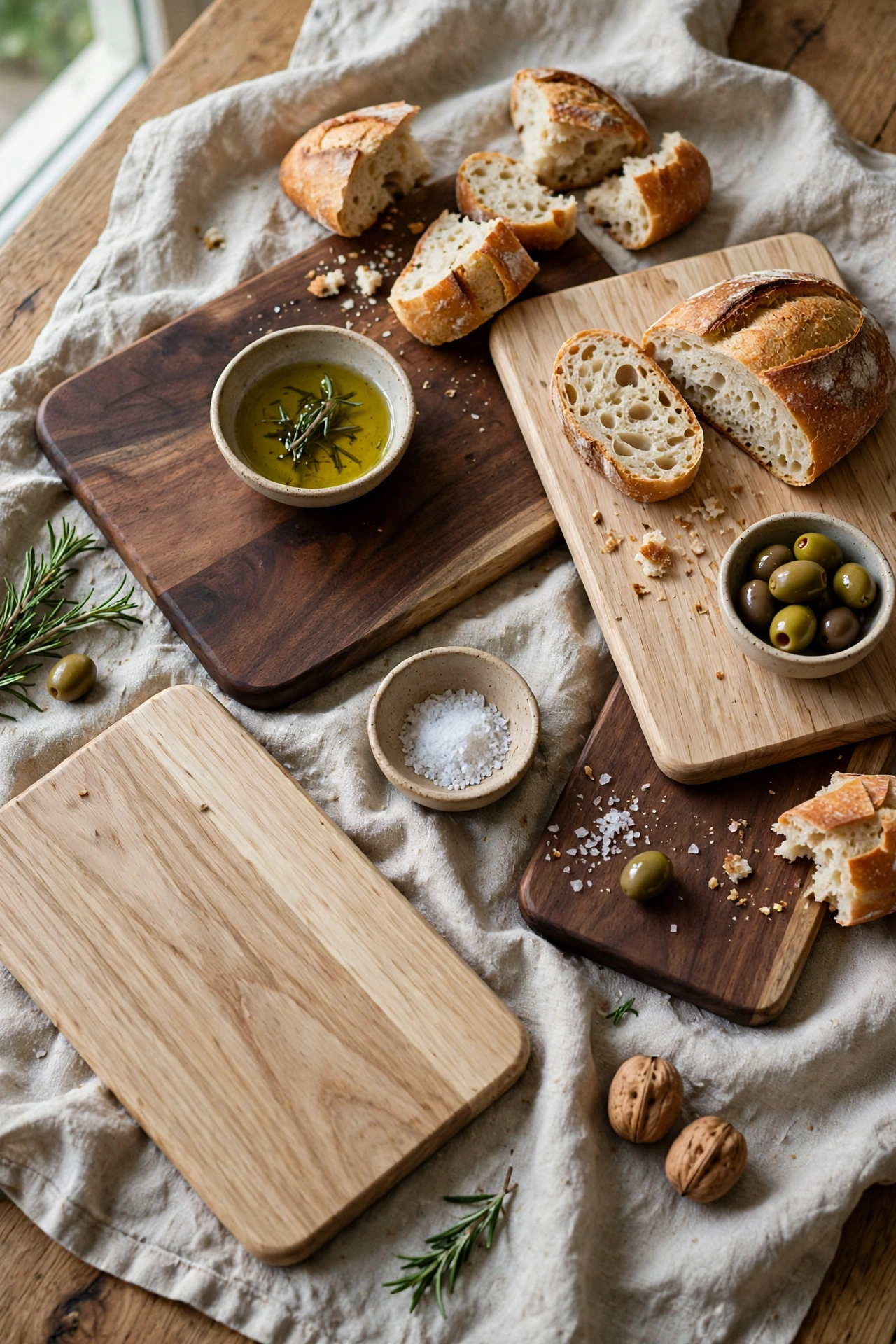
A grounded greens table looks best when the wood underneath it is not all one shade. A walnut serving board next to a pale oak bread board, a teak salad bowl beside lighter beech salad servers: this mix is what keeps a green and brass table from feeling like a showroom. Nature does not match, and your table should not try to either.
Use wooden serving pieces as part of the decoration, not just as tools. A long olive-wood board down the centre can hold bread, cheese, or a row of small bowls, and it doubles as a visual anchor under the greenery. Wooden chargers, if you have them, warm up stoneware plates in a way that metal chargers cannot. Even a simple wooden crate or low box under a vase adds height and texture at the centre of the table.
If your dining table itself is a dark wood, lighten the layers above it: pale wood boards, linen napkins in oatmeal, cream-coloured candles. If your table is light oak or pine, you can go darker with the boards and serving pieces. The goal is contrast in small steps, never a single flat tone from table edge to centrepiece.
Designer note: Keep wooden pieces unvarnished or matte where you can. A high-gloss finish reflects overhead light and fights with the soft glow of the candles.
Add Fruit and Citrus for a Harvest Feel
 Save
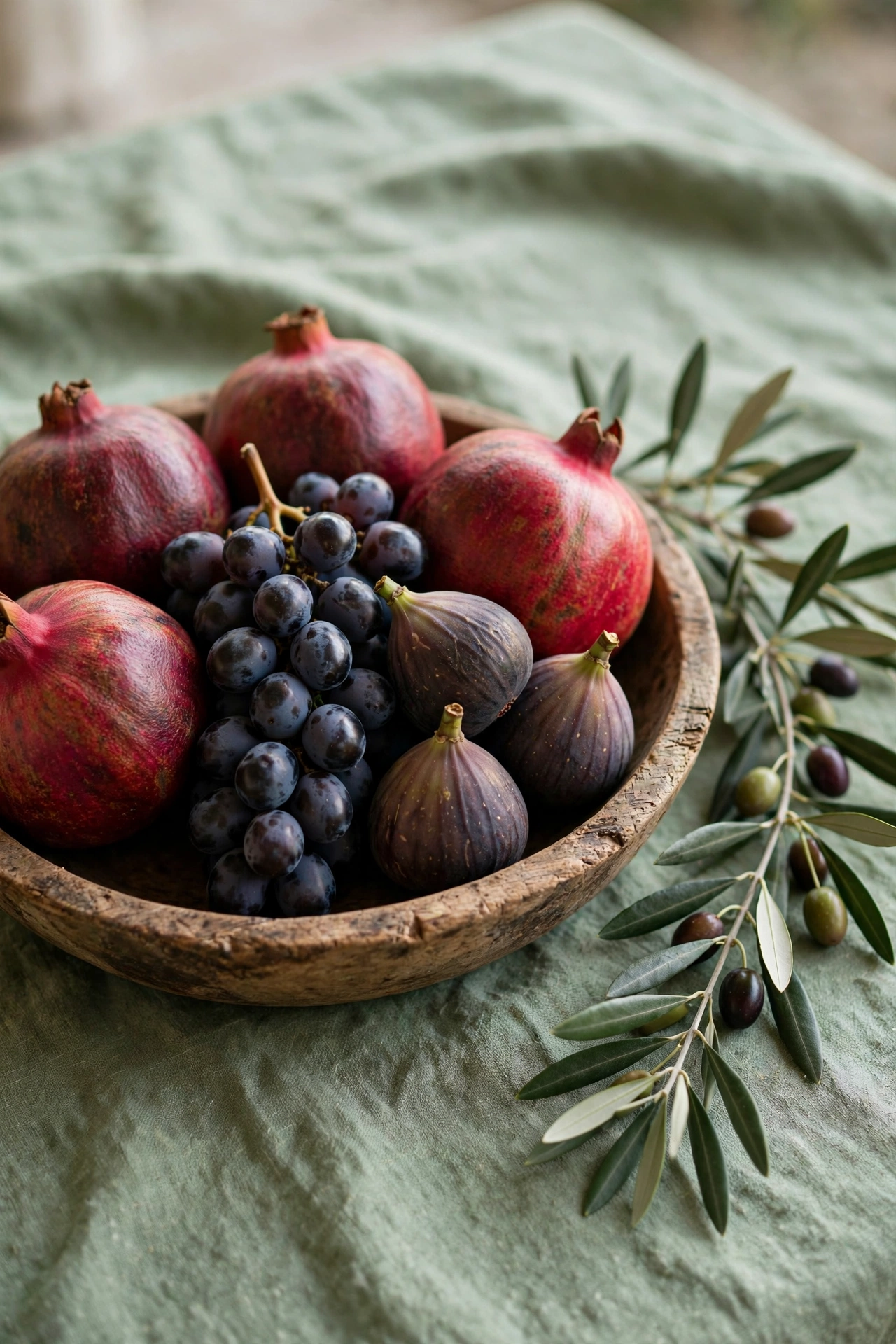
A Thanksgiving table needs something edible in its decoration, or it risks looking like a furniture display. Fruit is the answer, and in a grounded greens palette the right choices are figs, dark grapes, pomegranates, and citrus. A cluster of black grapes tucked into the olive branches, a few whole figs scattered near the plates, or a bowl of clementines at the centre all add colour that belongs to the season without resorting to orange overload.
Pomegranates are the star here. Cut one open and the deep red seeds echo the cranberry sauce already on the menu, while the whole fruit, with its leathery skin and little crown, looks sculptural sitting on a plate or in a low bowl. Buy a few extra, because guests will eat them. Figs work the same way: halved figs on a small plate look like they were placed by a stylist, and they taste good with cheese if anyone reaches for them.
Citrus earns its place too, especially dried orange slices. String a few on twine and drape them along the greenery, or scatter them around the base of a vase. Their warm amber tone is the one warm accent this palette needs, and because they are dried, you can make them a week ahead. Slice oranges a quarter inch thick, bake at a low oven until dry, and store them in a paper bag until the day.
Choose Stoneware in Earthy, Uneven Glazes
 Save
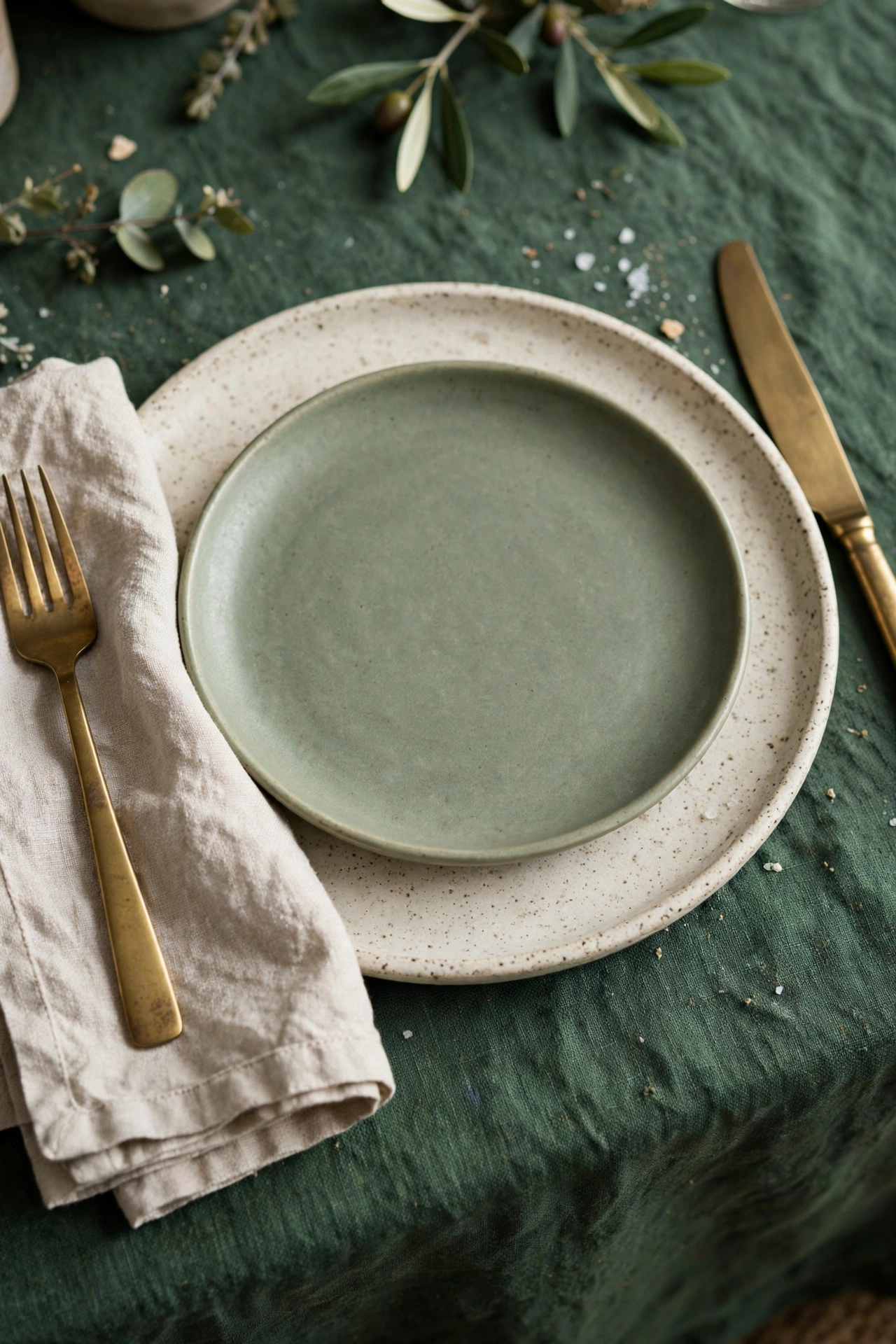
Plates are the largest area of colour on any table after the tablecloth, so they matter more than most hosts realise. In a grounded greens palette, the best plates are stoneware in cream, oatmeal, sage, or speckled glazes that are not quite uniform. A handmade look, even from an affordable high-street set, softens the formality of brass and makes the table feel like a home rather than a restaurant.
If your everyday plates are plain white, do not rush to replace them. White plates actually work beautifully against a forest-green cloth, because the contrast lets the food stand out. The trick is to add the earthy tones elsewhere: a sage salad plate on top of the white dinner plate, or a small stoneware bowl for soup that brings in the texture. One layer of interest is enough; two clashing patterns is where tables start to look busy.
Mismatched stoneware is a feature, not a flaw, in this palette. If you have collected plates in slightly different shades over the years, this is the table to use them on. Keep the shapes similar, round or coupe, so the place settings still feel intentional, and let the glaze colours vary. Guests notice the warmth long before they notice that no two plates match exactly.
Light It Low With Green Glass and Brass Holders
 Save
Overhead lighting is the enemy of a good Thanksgiving table. A single bright ceiling light flattens every colour you have worked to layer, especially greens, which turn muddy under harsh light. Turn the overheads off or dim them to their lowest setting, and let candles do the work. You need more candles than you think: one taper per two guests is a good starting point, plus a few votives scattered along the greenery.
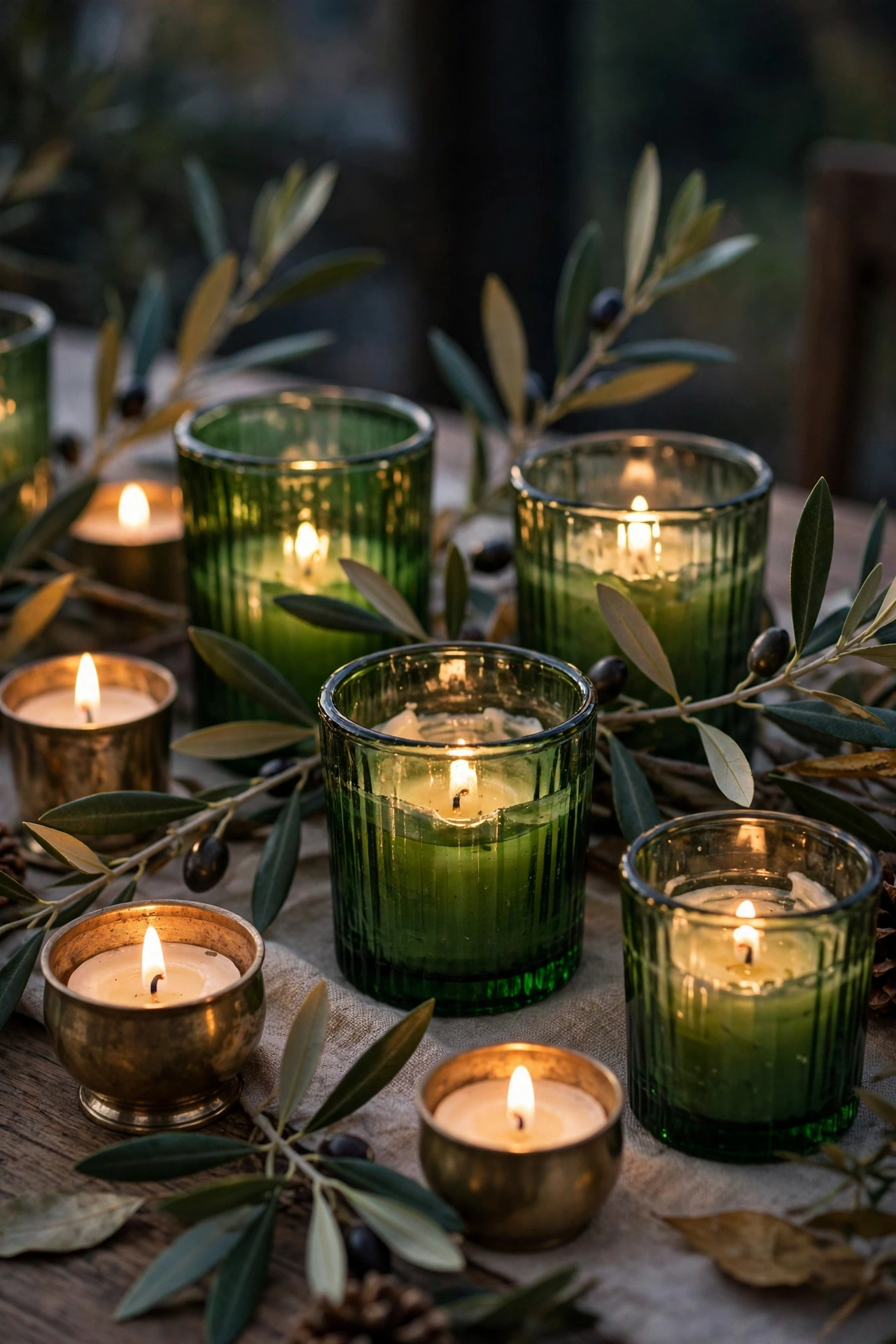
Green glass holders are the detail that ties this whole palette together. A green glass votive or a small green hurricane shade turns candlelight the colour of moss, and that tinted glow is what makes the table look like a single considered scene rather than a collection of nice things. Place two or three green glass holders among the brass candlesticks so the two materials talk to each other down the table.
Safety still comes first with a house full of people and flowing sleeves. Keep flames at least a hand’s width from any greenery, never leave candles burning in an empty room, and put a small tray or plate under every holder to catch wax. Battery-operated candles with a warm, flickering setting are a fair substitute in a house with small children, and from two feet away nobody can tell.
For a gathering with a looser, friendlier feel, a relaxed Friendsgiving gathering uses the same low-light trick to make a table feel warm without any extra spending.
Give Every Place Setting a Small Personal Touch
 Save
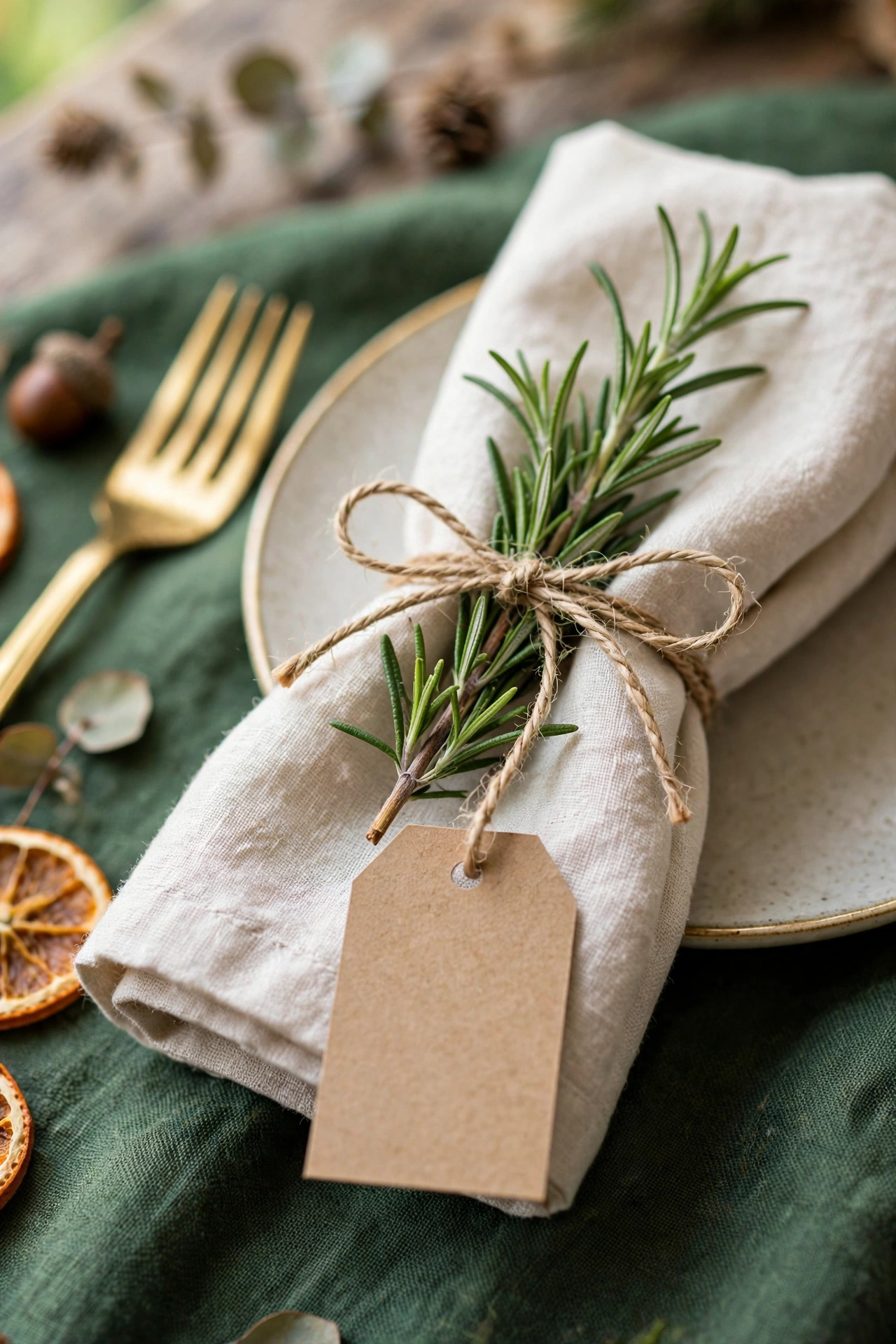
The difference between a pretty table and a memorable one is usually one small thing at each plate. In a grounded greens palette, the best place-setting touches are natural, cheap, and personal: a sprig of rosemary or olive tied to the napkin with twine, a handwritten name card on kraft paper, or a single dried orange slice resting on each plate. Each one takes under a minute, and each one tells a guest that their seat was thought about.
Rosemary is the easiest win. It smells wonderful when a guest picks up their napkin, it costs almost nothing if you grow it or buy one bunch, and its deep green needles sit perfectly against a cream or oatmeal napkin. Tie it with plain kitchen twine, not ribbon, to keep the rustic tone. If you want name cards, write names on small kraft tags with a dark green or gold pen, and tuck the tag under the rosemary sprig so it does not slide around.
For children at the table, swap the sprig for a small treat they can keep: a tiny pinecone, a wrapped chocolate, or a clementine with their name written on it in pen. It keeps little hands busy while adults talk, and it costs less than a party favour bag.
Try this: Set one extra place, even if you do not expect another guest. A table that looks like it has room for one more feels generous, and if someone does drop by, you are already ready.
Bringing It All Together
A grounded greens Thanksgiving table is not about buying a new look. It is about starting with one deep green layer, adding real greenery down the middle, warming it with a little brass, and letting natural wood, fruit, and candlelight do the rest. None of these ideas needs a big budget or a design degree. They need a free morning, a trip to the florist, and a willingness to let the table look gathered rather than matched.
Set the table the night before if you can. You will spot the gaps while there is still time to fix them, the candles and greenery will settle into place, and on Thanksgiving morning you can focus on the cooking instead of the styling. When the food comes out and the candles are lit, the green, olive, and brass will sit quietly behind it all, which is exactly what a good table should do. If you later want a similar approach for December, these festive Christmas centrepiece ideas carry the same layered, natural feeling into the holiday table.
Frequently Asked Questions
What colours go with a grounded greens Thanksgiving palette?
Forest green, olive, and sage form the base, with brass or aged gold as the warm metal and cream, oatmeal, and natural wood as the soft neutrals. A small amount of deep red from pomegranates or cranberries adds the only strong accent you need.
Can I use a grounded greens palette with a small table?
Yes, and it often works better than a big bold theme. Keep the greenery to a single low runner of olive branches instead of a full garland, use two candlesticks instead of six, and let the green tablecloth or runner carry most of the colour so the table does not feel crowded.
Where can I buy olive branches for a table centrepiece?
Florists and well-stocked grocery flower sections usually carry them in November, and many online flower sellers ship bunches in season. Buy two or three days before the meal, keep the stems in water, and lay them flat on the table the morning of Thanksgiving.
Is brass too formal for a casual family Thanksgiving?
Not when it is used in small amounts. A few aged brass candlesticks or napkin rings add warmth without formality, especially mixed with wood, linen, and fresh greenery. It is a full matching brass service that reads as formal, not a handful of well-chosen pieces.
How do I keep fresh greenery looking good all day?
Buy branches as fresh as possible, trim the ends at an angle, and keep them in water until the morning of the meal. Once laid on the table, mist them lightly with water and keep them away from radiators, fireplaces, and direct sun, and they will hold up comfortably through dinner.