A blank wall can sit there for months, quietly nagging at you. You know it needs something, but another generic print from a big-box store feels like a placeholder, not a choice. That is exactly where Ethiopian art earns its place. It is bold without shouting, full of colour and pattern, and it carries a visual language that is thousands of years old, yet it still looks completely at home next to a plain linen sofa and a wooden coffee table.
The trouble is that most people meet Ethiopian art in one of two ways: a framed poster they grabbed on holiday, or a wall of small souvenirs that never quite gels into a room. Neither does the work justice. The pieces themselves are rich in story, from the deep greens and ochres of the highlands to the fine line work of traditional crosses and the looping shapes of Ge’ez script. When you give that kind of art proper space, proper light, and a wall that lets it breathe, it stops being decoration and starts being the reason the room works.
This guide shows you how to bring Ethiopian art into your home with confidence: how to choose pieces that mean something, how to hang them at a scale that suits your room, and how to mix them with furniture you already own. No gallery budget required, and no need to repaint the whole house.
Start With a Story, Not a Souvenir
 Save
The best Ethiopian art wall starts before you buy anything, with a simple question: what drew you to this work in the first place? Maybe it was the colour, a trip, a friend’s home, or a print you kept coming back to online. Hold on to that answer, because it will keep your wall honest. A collection built around one genuine interest always looks better than a set of pieces bought just to fill space.
Look for work made by living artists where you can, and buy from sellers who name the maker. Contemporary Ethiopian painters, printmakers, and textile weavers are producing extraordinary work right now, and a piece with a known artist behind it will always mean more than an anonymous copy. If you are buying older-style work, check what it actually is. Church artefacts and genuine antiques belong in museums and places of worship, not on a living room wall, so choose artist-made interpretations and contemporary pieces inspired by traditional forms rather than anything presented as a sacred object.
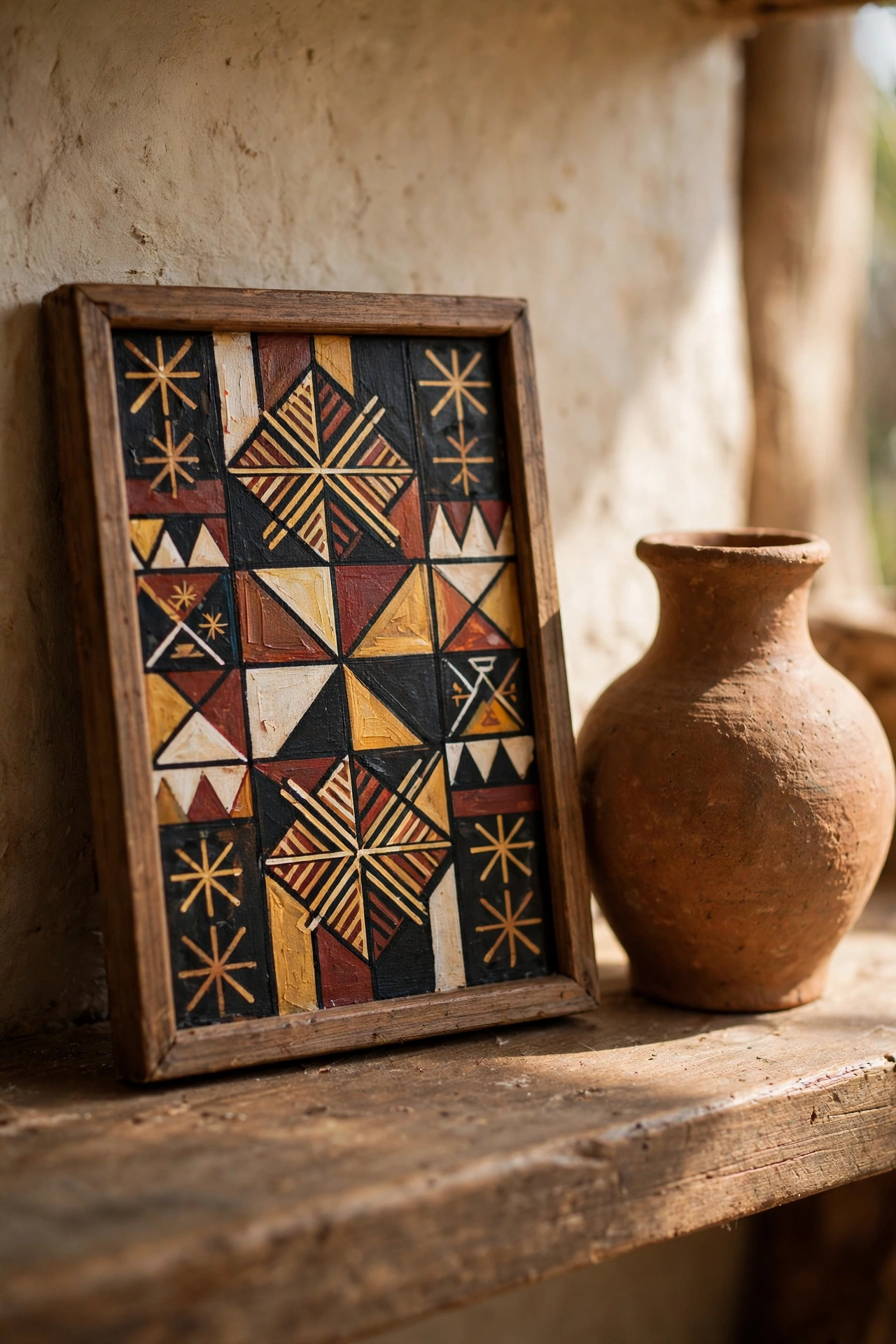
Start with one piece you love, even if it is small. Live with it for a week or two, propped on a shelf or leaning against the wall, and notice what it asks for. Does it want quiet company, like a plain plaster wall and a wooden frame? Or does it pull the room toward warmth, asking for terracotta cushions and a brass lamp? That one piece becomes your compass, and every later addition should earn its place beside it.
Styling tip: Photograph the piece in daylight before you shop for anything to go with it. Phone screens shift colour, and a photo taken in warm evening light will send you home with cushions in the wrong shade of gold.
The Big Wall Moment: One Large Piece
 Save
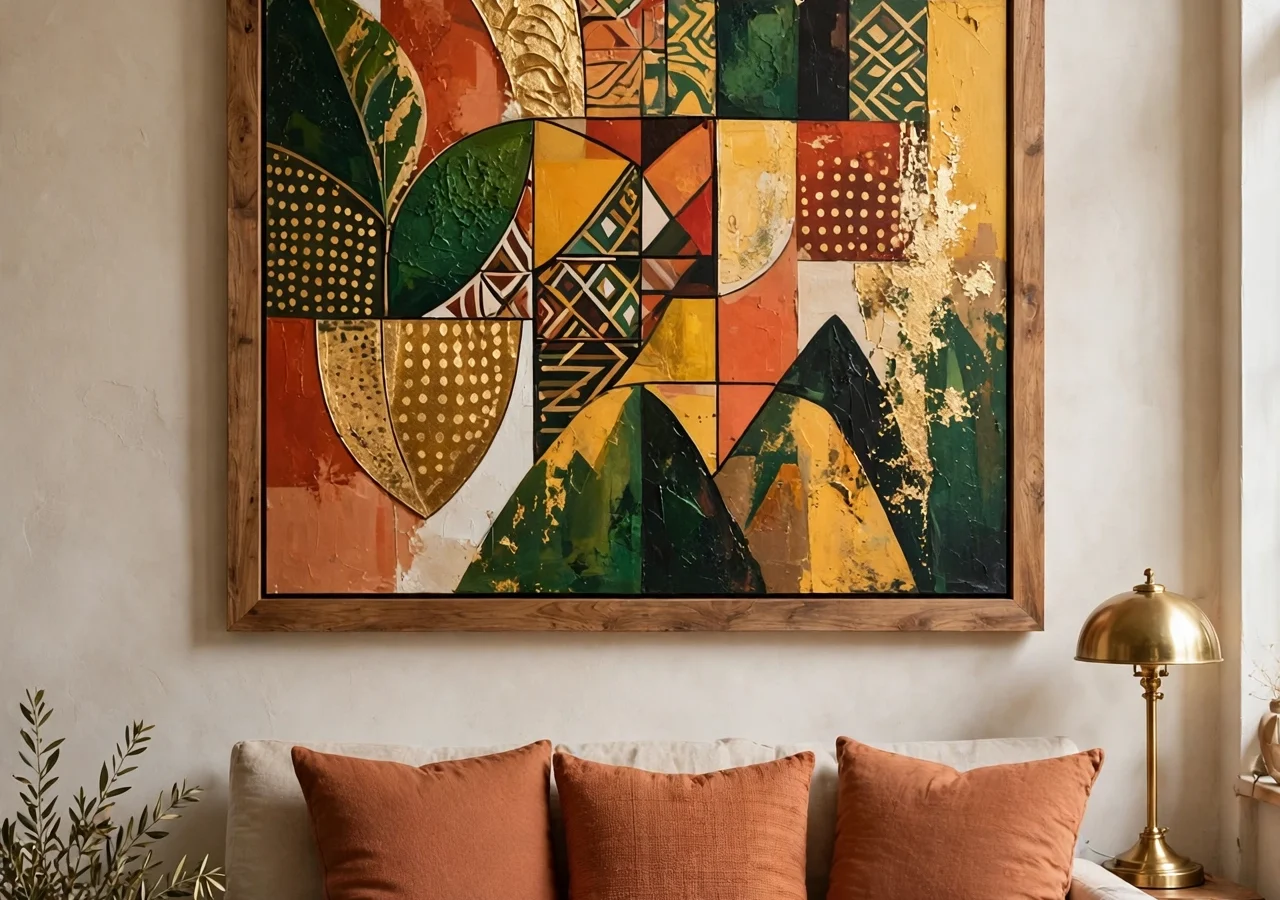
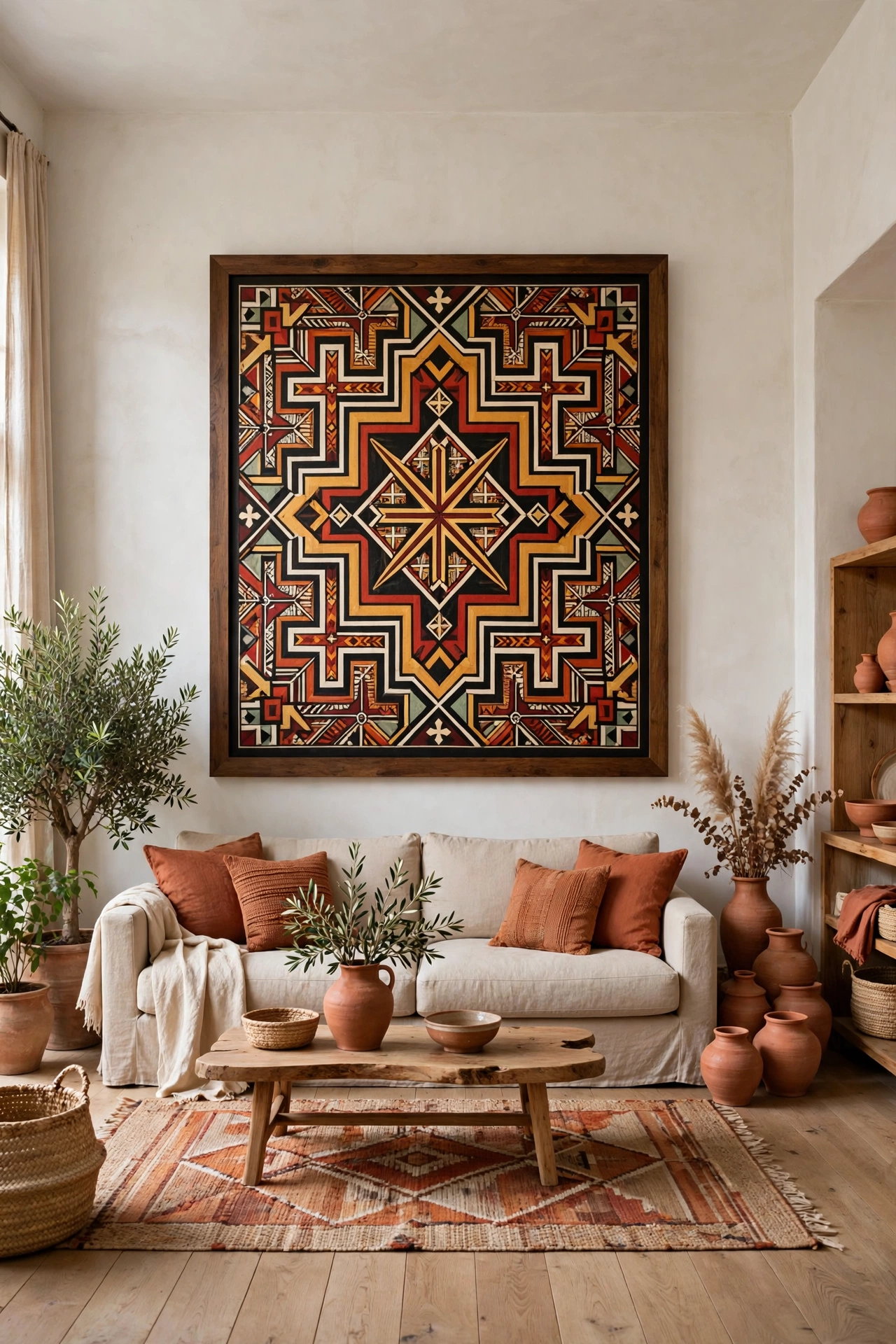
If you have one wall that dominates a room, usually the one behind the sofa or opposite the door, give it one large Ethiopian artwork rather than a scatter of small frames. A single piece around 90 to 120 centimetres wide can anchor a three-seater sofa, and it reads as a deliberate decision instead of a hesitant one. Large-scale work also lets the detail breathe: the pattern in a woven border, the layered colour in a painted panel, the fine lines of a cross design.
Hang it so the centre of the piece sits roughly at eye level, about 145 to 150 centimetres from the floor, and leave at least 15 centimetres between the bottom of the frame and the top of the sofa. That gap matters. Crowd the frame down onto the furniture and the whole arrangement looks cramped; float it too high and it drifts away from the seating it is meant to anchor. If the piece is very tall, centre it on the wall itself rather than on the sofa, and let the furniture sit comfortably beneath it.
Framing should stay quiet. A simple dark wood, black, or natural oak frame lets the art do the talking, and a wide white or cream mount gives busy pattern room to settle. Skip ornate gold frames unless the piece itself is restrained, because two loud voices on one wall cancel each other out. For unframed canvas or textile panels, a pair of slim wooden hanging rails keeps the look clean and makes it easy to swap pieces later.
Budget swap: A large stretched canvas print of a contemporary Ethiopian painting costs a fraction of an original, and at sofa scale it delivers almost all the impact. Save the original-art budget for a smaller piece you can hang at eye level in a hallway, where you will actually stand close enough to see the brushwork.
Colour That Comes From the Land
 Save
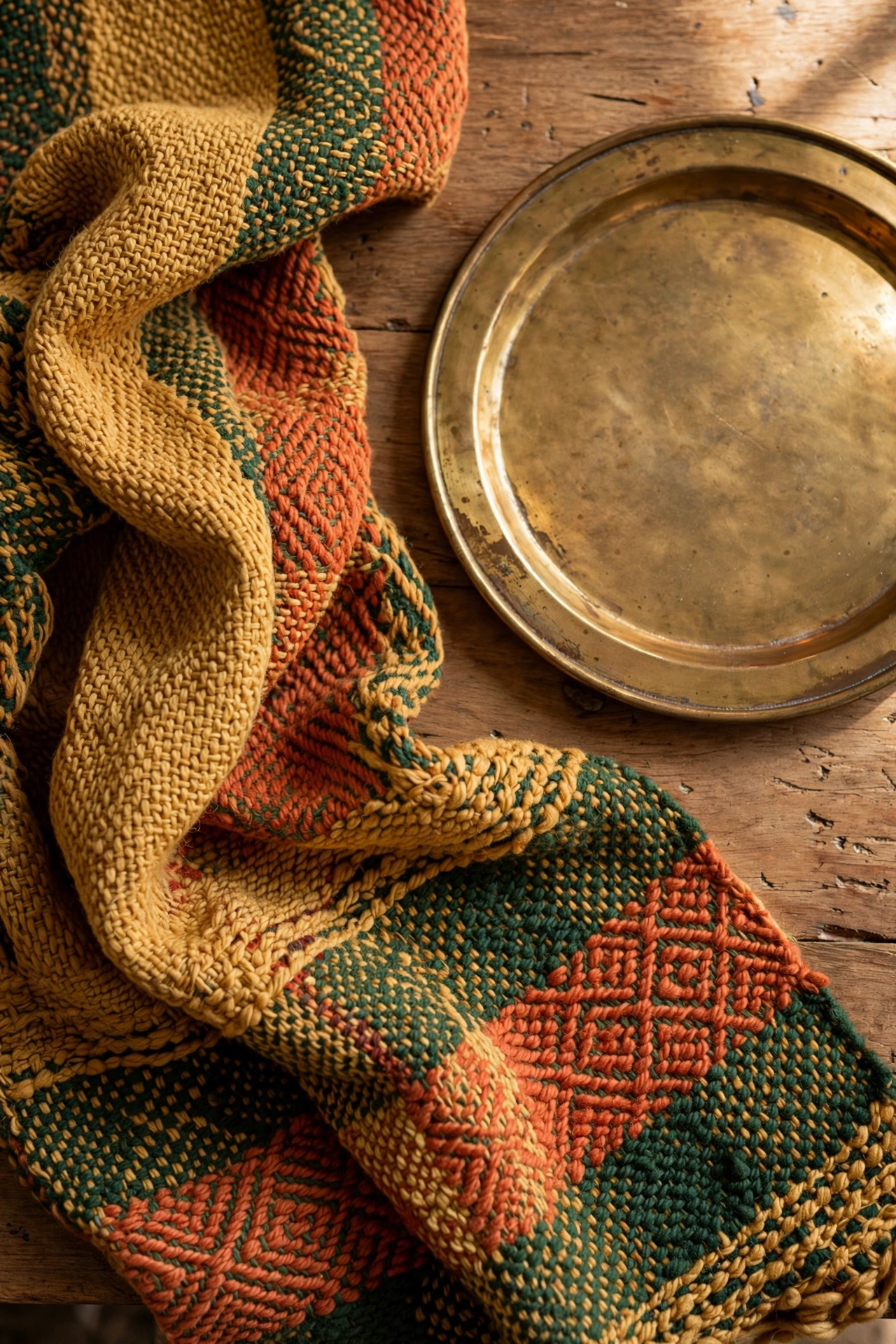
Ethiopian art gets its warmth from the landscape it comes from: the ochre earth of the highlands, the deep green of coffee country, the gold of harvested grain, and the red clay used in homes across the country. Build your room’s palette from those same tones and the art will feel inevitable rather than imported. You do not need to paint a wall red or green. A warm white or soft plaster wall, a terracotta throw, and one deep green cushion will do more than a full room makeover.
Work in layers. Let the wall stay pale so the art keeps its contrast, then pull one or two colours out of the piece into the rest of the room. If your artwork leans heavily on ochre and rust, echo it in a woven basket, a clay vase, or the timber tone of a side table. If it is cooler, with indigo or deep green, try a dark green velvet cushion or a plant with broad leaves beside the frame. The trick is repetition in small doses: three quiet echoes beat one loud match.
Metal finishes deserve the same care. Warm brass sits beautifully with ochre and gold tones, and it softens the contrast between a bold artwork and pale walls. Our guide to warm metallic decor ideas shows how a little brass goes a long way, and the same principle applies here: a brass picture light, a small tray, or a lamp base is enough.
Designer note: If your artwork already contains four or more strong colours, keep the rest of the room to two of them. A multicoloured piece plus multicoloured cushions plus a patterned rug turns a confident wall into visual noise.
Pattern With Purpose: Crosses, Script and Geometry
 Save
Some of the most recognisable Ethiopian design comes from its patterns: the intricate openwork of traditional crosses, the looping characters of Ge’ez script, and the bold geometry woven into cloth borders. These patterns are beautiful, but they also carry meaning, and a little respect goes a long way in how you display them.
Treat cross designs as art, not as religious props. Hang them as you would any fine piece, at a height where the detail can be seen, and avoid placing them in spots that invite careless handling, like a low hallway where bags brush past. If a piece includes Ge’ez lettering, it is worth learning what the words say before you hang it. A seller or artist can usually tell you, and knowing the meaning turns a pretty pattern into a conversation you can actually have with guests.
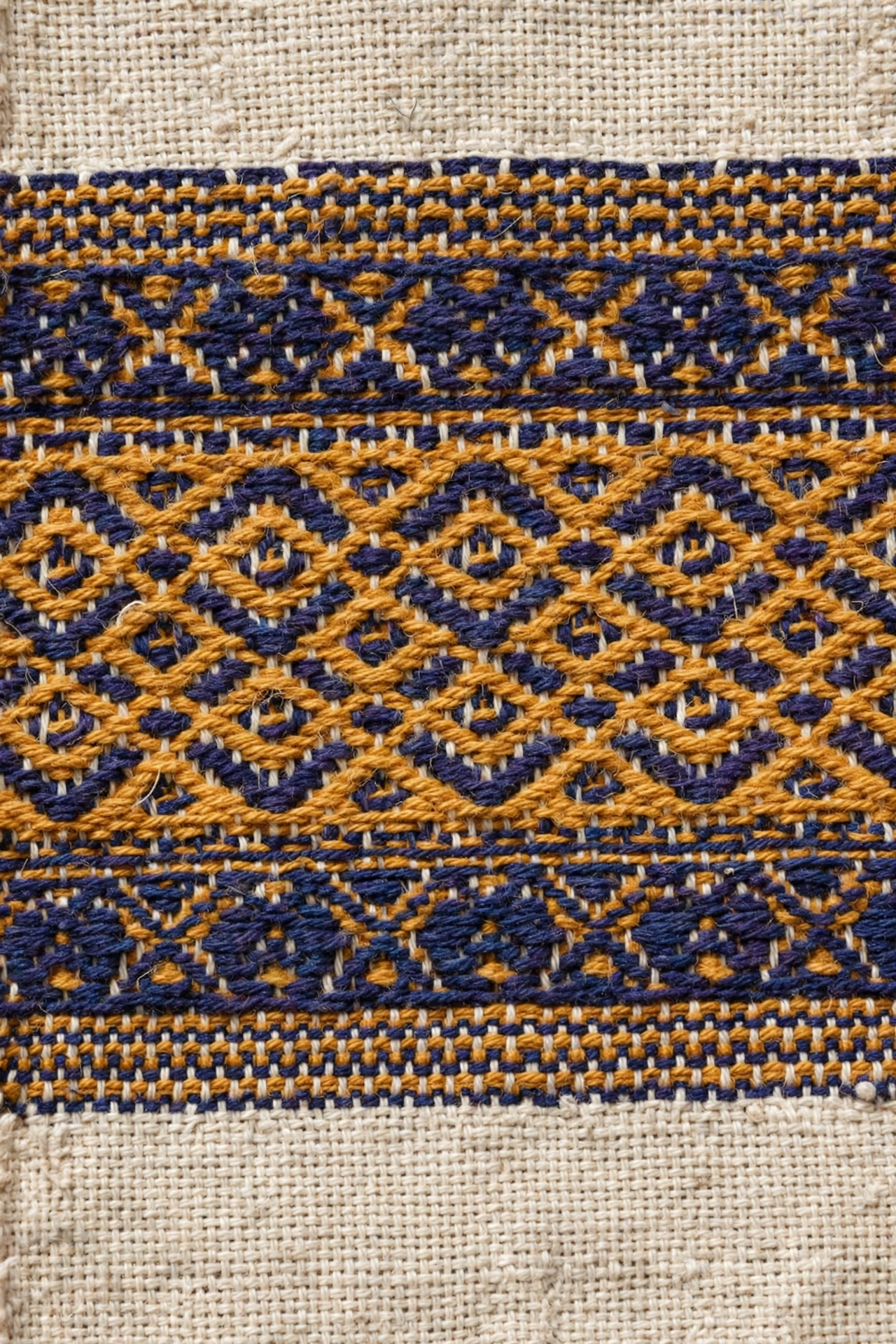
Geometry is the easiest pattern to live with at scale. The stepped borders and diamond motifs found in Ethiopian weaving translate beautifully into rugs, cushion covers, and framed textile panels, and they pair well with plain furniture because the pattern itself provides all the energy the room needs. Use one strongly patterned piece per wall, then let the neighbouring surfaces stay calm. Two competing geometries on the same wall will fight, and neither will win.
Scale the pattern to the distance you will view it from. Fine, detailed work belongs where you stand close: hallways, reading corners, and the wall beside a dining table. Big, bold geometry belongs where you see it from across the room: above a sofa, at the end of a corridor, or on the wall you face when you walk in.
Mixing Old and New Without a Clash
 Save
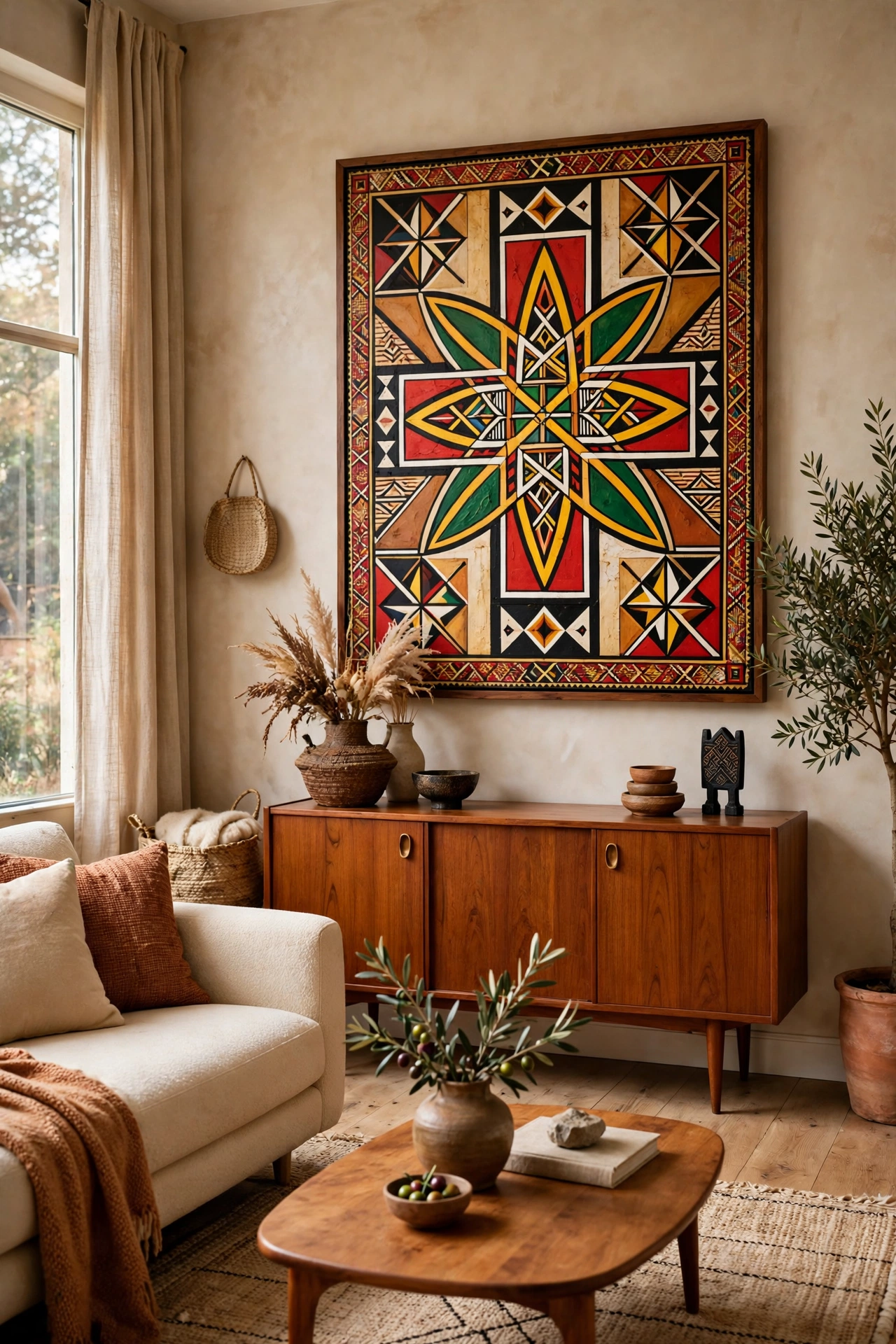
The rooms that pull Ethiopian art off best are rarely themed from floor to ceiling. More often, the art is the oldest-looking thing in a thoroughly modern room, or the boldest thing in a quiet, neutral one, and that tension is what makes it interesting. A contemporary Ethiopian painting above a low, clean-lined sofa looks current, not costumey, because the furniture gives the art a calm frame to sit in.
Start by matching tone, not era. A mid-century teak sideboard, a modern boucle chair, and a traditional woven panel can all share a room if their wood tones and fabric weights sit in the same warm family. What clashes is not old versus new, but cold versus warm: a chrome-and-glass interior with no natural texture will make a handwoven piece look stranded, while one wooden table or rattan basket gives it a friend to sit beside.
A gallery wall is another good route, provided you plan it rather than pinning frames up one by one. Lay the arrangement on the floor first, mix one Ethiopian piece with a couple of simpler works, perhaps a landscape photograph and an abstract print, and keep the frames in one or two finishes. Leave consistent gaps of about five to eight centimetres between frames, and start hanging from the centre outward so the arrangement stays balanced. For a broader take on mixing African-inspired pieces into a lived-in room, our Afrohemian living room ideas show how layered textiles and natural materials keep a bold wall feeling like home.
Try this: If you are nervous about committing to a big arrangement, lean the largest piece against the wall on top of a console table for a month. You will learn whether the scale and colours work long before you put a nail in the plaster.
Textiles That Carry the Art
 Save
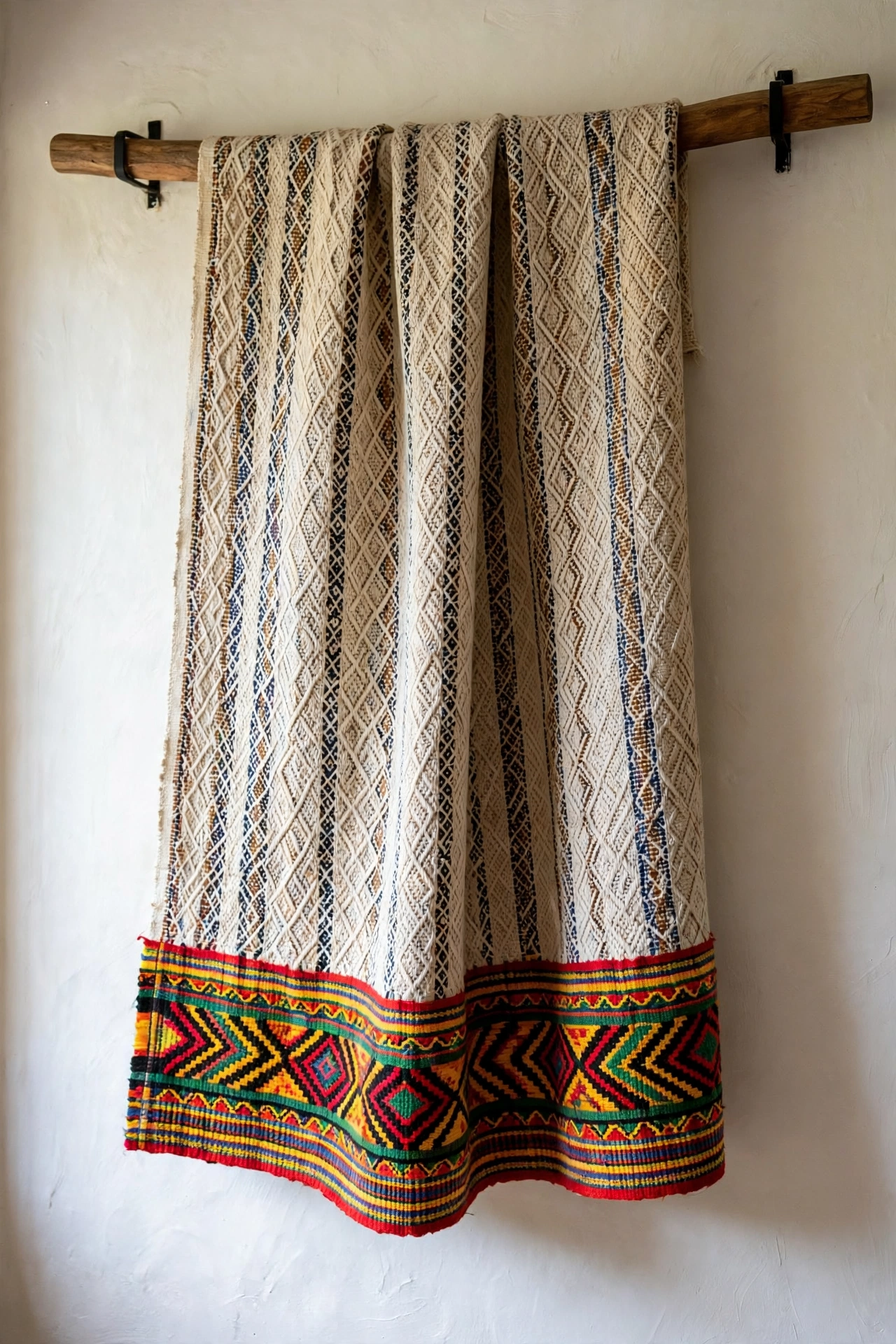
Not every Ethiopian artwork needs a frame. Some of the most striking wall decor in this tradition is textile: handwoven cotton panels, shawls with patterned borders, and throws woven with the narrow, colourful bands known as tibeb. Hung on a simple wooden rail or a slim rod, a textile brings softness and movement that a framed print cannot, and it is often the most affordable way to cover a large wall with genuine craft.
Hang textiles where they will not fade or fray. Direct sun bleaches natural dyes faster than you expect, so keep woven pieces on walls that get indirect light, and rotate them occasionally if a room is very bright. A textile hung in a hallway or above a bed, where it is seen daily but not sun-blasted, will keep its colour for years. If the piece is valuable or delicate, a shadow-box frame with UV-protective glass is worth the cost, and it turns a soft weaving into a proper focal point.
Textiles also solve the awkward-wall problem. A narrow wall between two doors, a tall stairwell, or the space above a radiator can all take a vertical woven panel where a framed picture would look lost. Let the cloth hang free rather than stretching it drum-tight, because a little natural drape is part of its character. Pair it with plain bedding or a simple sofa, and let the weaving supply the pattern for the whole corner. If you enjoy rooms led by fabric rather than paint, our ways to use Adire fabric offer a useful parallel, showing how one strong textile can set the tone for an entire space.
Styling tip: Steam or gently press a new woven panel before hanging it. Creases from shipping are the one thing that makes a beautiful textile look like a recent delivery, and ten minutes with a steamer fixes it completely.
Small Rooms and Rented Walls
 Save
Bold art is not reserved for big houses. In a small room, one strong Ethiopian piece can actually make the space feel larger, because the eye has a clear place to land instead of bouncing between a dozen small objects. Choose one wall, keep the rest of the room plain, and let the artwork be the room’s one confident gesture.
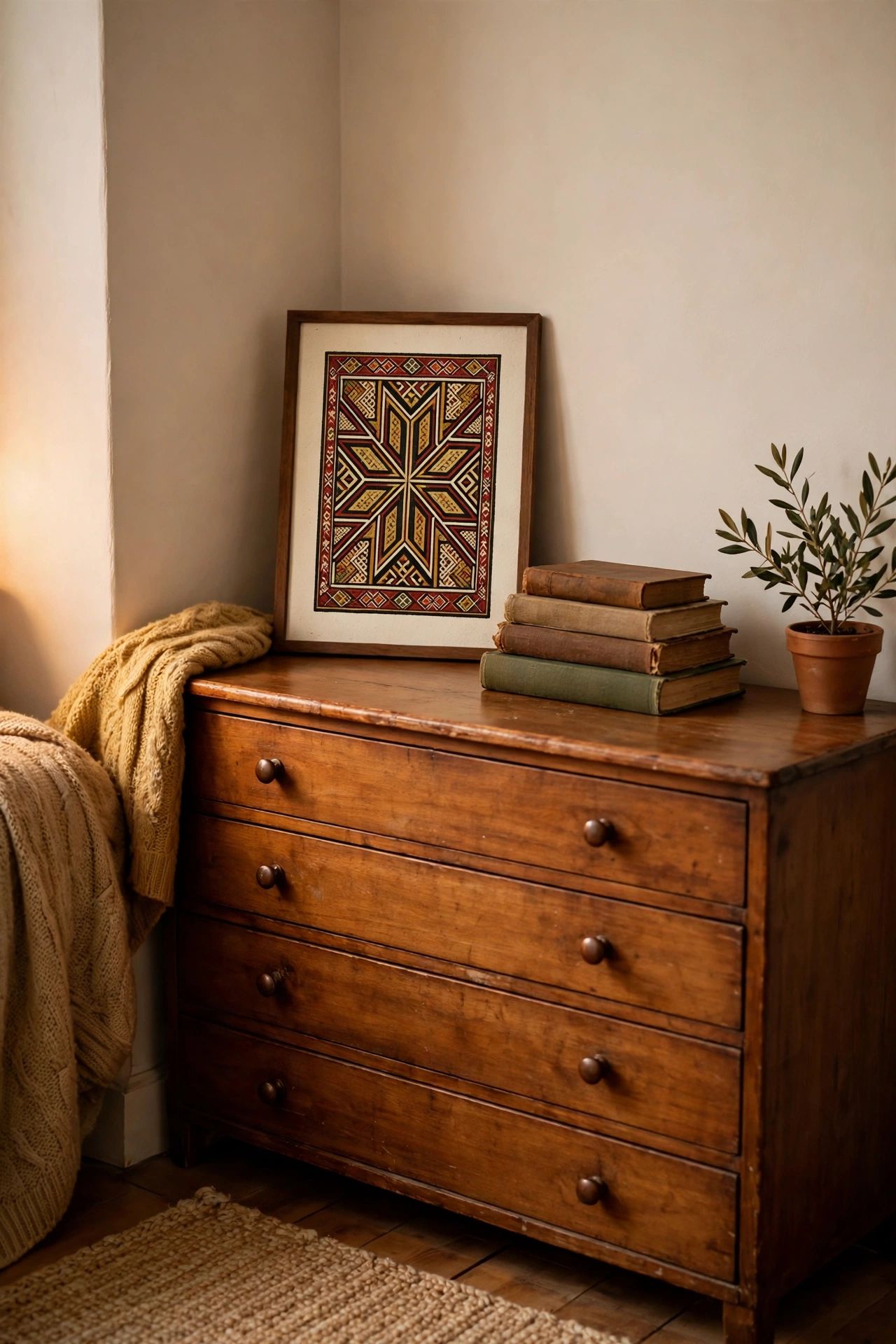
Renters have plenty of options that leave no trace. Picture-hanging strips rated for the frame’s weight hold most prints and small canvases, and they come off cleanly when you move. For heavier pieces, lean a framed work on top of a chest of drawers or a bookshelf, where it reads as intentional rather than unfinished. A textile on a tension rod inside a window recess, or draped over a freestanding wooden rail, needs no holes at all. Even a tall bookshelf can become a gallery: place a small framed piece on a shelf, slightly forward of the books, and it gets a spotlight without a single nail.
Scale down, but do not shrink the ambition. A 40-centimetre framed print at eye level in a hallway gets more attention than a large canvas crammed above a small sofa, because it sits exactly where you pause. In a studio flat, hang the piece where you see it from your favourite chair, not where a floor plan says art belongs. You live in the room; the art should work for the spot you actually look at.
Budget swap: Removable wall decals and peel-and-stick frames are not a substitute for real art, but they are a good rehearsal. Use them to test a hanging height or a gallery layout for a week before you commit to the real frame.
Bringing It All Together
Ethiopian art rewards a simple approach: one piece you genuinely love, a quiet wall, honest materials around it, and colours pulled from the work itself. You do not need a theme, a collection, or a big budget. You need a wall with breathing room and the patience to let one strong piece set the tone before you add anything else.
Start with that first piece, hang it at eye level, and live with it for a while. The cushions, the lamp, and the second frame will follow naturally once you can see what the art is asking for. And when friends ask where it came from, you will have a real answer, which is the best thing any wall can offer. For more ideas on pairing bold wall pieces with warm, natural textures, our guide to styling Berber rugs pairs beautifully with the earthy palette in this article.
Frequently Asked Questions
What kind of Ethiopian art works best on a living room wall?
A large contemporary painting, a framed print, or a woven textile panel all work well, because they read clearly from across the room. Choose one strong piece for the main wall rather than several small ones, and keep the frame simple so the art stays the focus.
Is it respectful to display Ethiopian crosses and religious-inspired art at home?
Yes, when you display artist-made pieces with respect and understanding. Buy contemporary work inspired by traditional forms, learn what any script or symbolism means before hanging it, and avoid buying anything presented as a genuine church artefact, which belongs in a place of worship or a museum.
How do I hang heavy framed art without damaging a rented wall?
Use adhesive picture-hanging strips rated for the frame’s weight for lighter pieces, and lean heavier frames on furniture for a no-damage option. For very heavy work, a single small nail in a stud is the safest choice, and most landlords accept one or two well-placed picture hooks.
What colours go with Ethiopian art?
Warm whites, plaster tones, ochre, terracotta, deep green, and brass all sit naturally beside it, because they echo the landscape and materials behind the work. Pick two colours from your artwork and repeat them in small doses around the room.
Where should I buy authentic Ethiopian art?
Look for sellers who name the artist, explain the materials, and can tell you what any text or symbolism means. Online marketplaces with artist profiles, fair-trade shops, and galleries specialising in African art are all good starting points, and buying directly from makers supports the craft itself.